
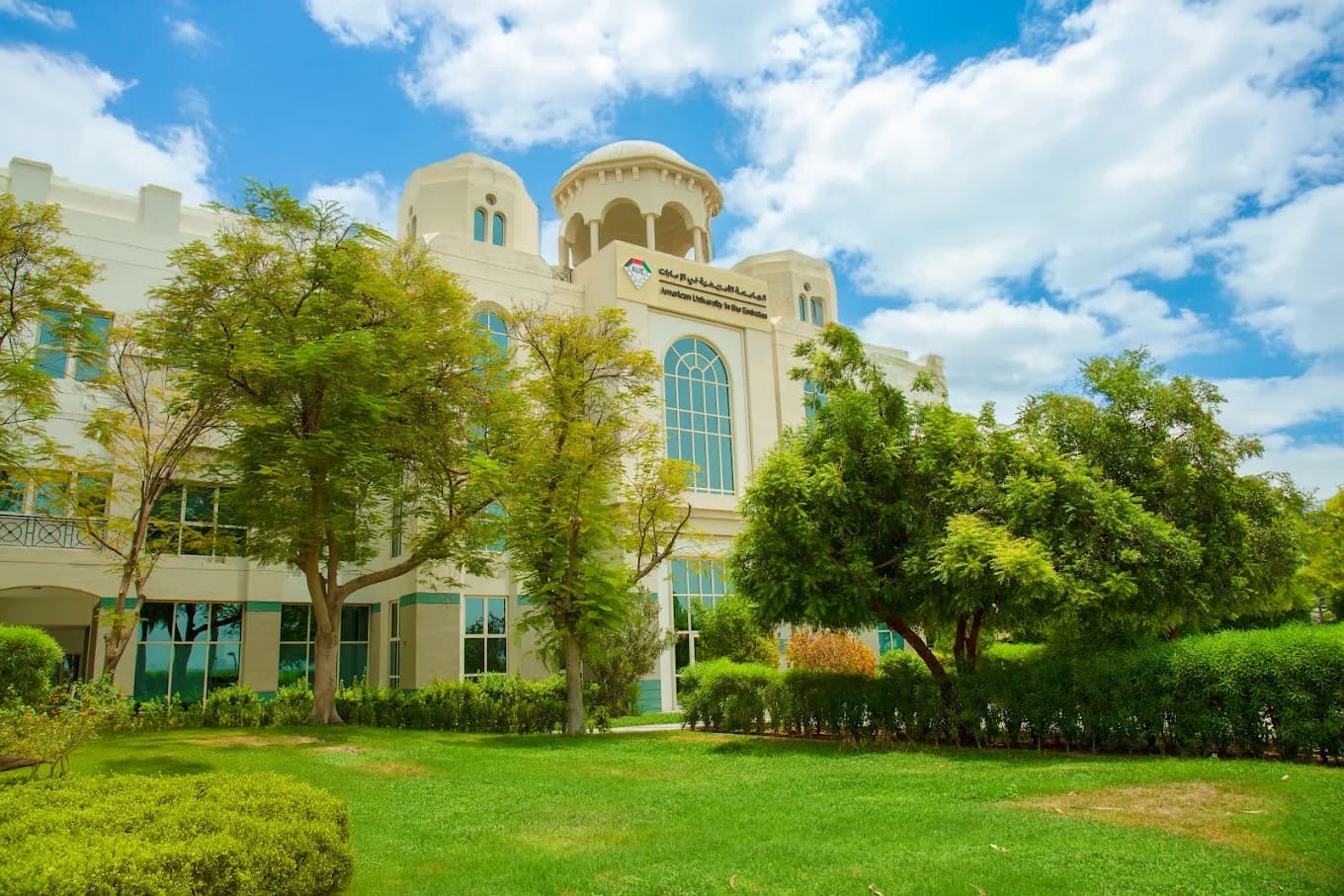
American University in the Emirates
Business, security studies, design
How a thesis is typically structured
Thinking about thesis structure from the examiner's side of the table changes what each section is for. At the defense or viva stage, reviewers at private institutions are typically checking that the introduction actually sets up a question the rest of the document answers, that the literature review earns the methodology that follows it, and that the results and discussion stay in their own lanes — findings first, interpretation second. The conclusion gets checked against the introduction almost line by line: does it answer what was actually asked? The remaining parts — title page, abstract, acknowledgements, table of contents, references and appendices — matter for a different reason: they're what makes the document usable and verifiable by someone who wasn't in the room while it was written.
Citation and referencing norms
In practice, the citation style for a thesis is rarely something a student picks freely — it's usually set by the program, sometimes by the specific department, and occasionally left to the student within a short approved list. The most reliable way to find out is the simplest one: check the formatting section of your program handbook, or ask your supervisor directly if it isn't written down anywhere.
Once a style is confirmed, the more common failure point isn't picking the wrong one — it's inconsistency: mixing author-date and numbered citations, or applying a style correctly in the text but not in the reference list (or the other way around).
General thesis-writing tips
A handful of habits tend to separate a manageable thesis project from a stressful one, regardless of subject or program:
- •Start early — even a rough outline weeks before you have to, beats a blank page the week you don't
- •Keep a running reference list from the first source you read, not a pile to sort out later
- •Write the methodology chapter while the decisions are still fresh, rather than reconstructing them from memory months later
- •Draft results and discussion as separate passes — report what you found first, interpret it second
- •Revise in structural passes before line-level passes — fix what each chapter argues before you polish how it's worded
How we support students at this institution
Support here works the same way no matter which of the private institutions a student is enrolled at: we're not affiliated with American University in the Emirates and don't claim to know its internal policies, but we are experienced with the general shape of thesis work at institutions like it. When you send over your program's official guidelines and any notes from your supervisor, that becomes the actual brief we work from — not assumptions about what your university might expect.
What affects thesis complexity at this level
Two theses of the same page count can involve very different amounts of work depending on the program behind them. A quantitative, data-heavy study usually needs more time in the methodology and results chapters — cleaning data, justifying an analytical method, checking assumptions. A more applied or case-study-based project instead needs depth in framing and interpretation: choosing the right case, gathering qualitative evidence, and building a defensible argument from it rather than a dataset.
Given the kinds of programs typically studied here — Business, security studies, design — it's worth identifying early which end of that spectrum your own thesis is closer to, since it changes where your time is best spent.
Formatting and submission norms
Formatting mistakes are rarely about not knowing formatting exists — they're usually about applying last semester's template, a friend's program's rules, or a generic online example instead of the current, program-specific version. Requirements can change between academic years, and can differ even between two programs in the same faculty.
The safest habit is a direct one: download the current formatting guide from your own program before your final formatting pass, and check margins, spacing, pagination, heading styles and submission format (electronic, printed, or both) against that document specifically — not against general norms, including the ones described on this page.
Explore related universities

BITS Pilani Dubai Campus
Dubai, United Arab Emirates
Foreign branch campus

Heriot-Watt University Dubai
Dubai, United Arab Emirates
Foreign branch campus
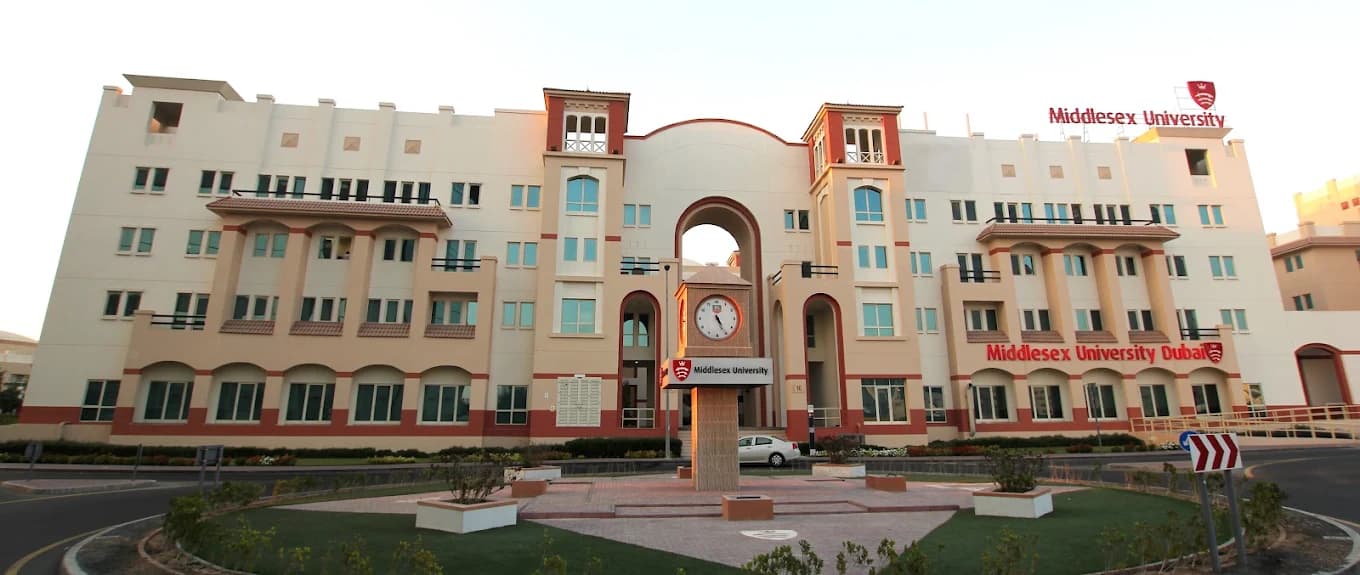
Middlesex University Dubai
Dubai, United Arab Emirates
Foreign branch campus
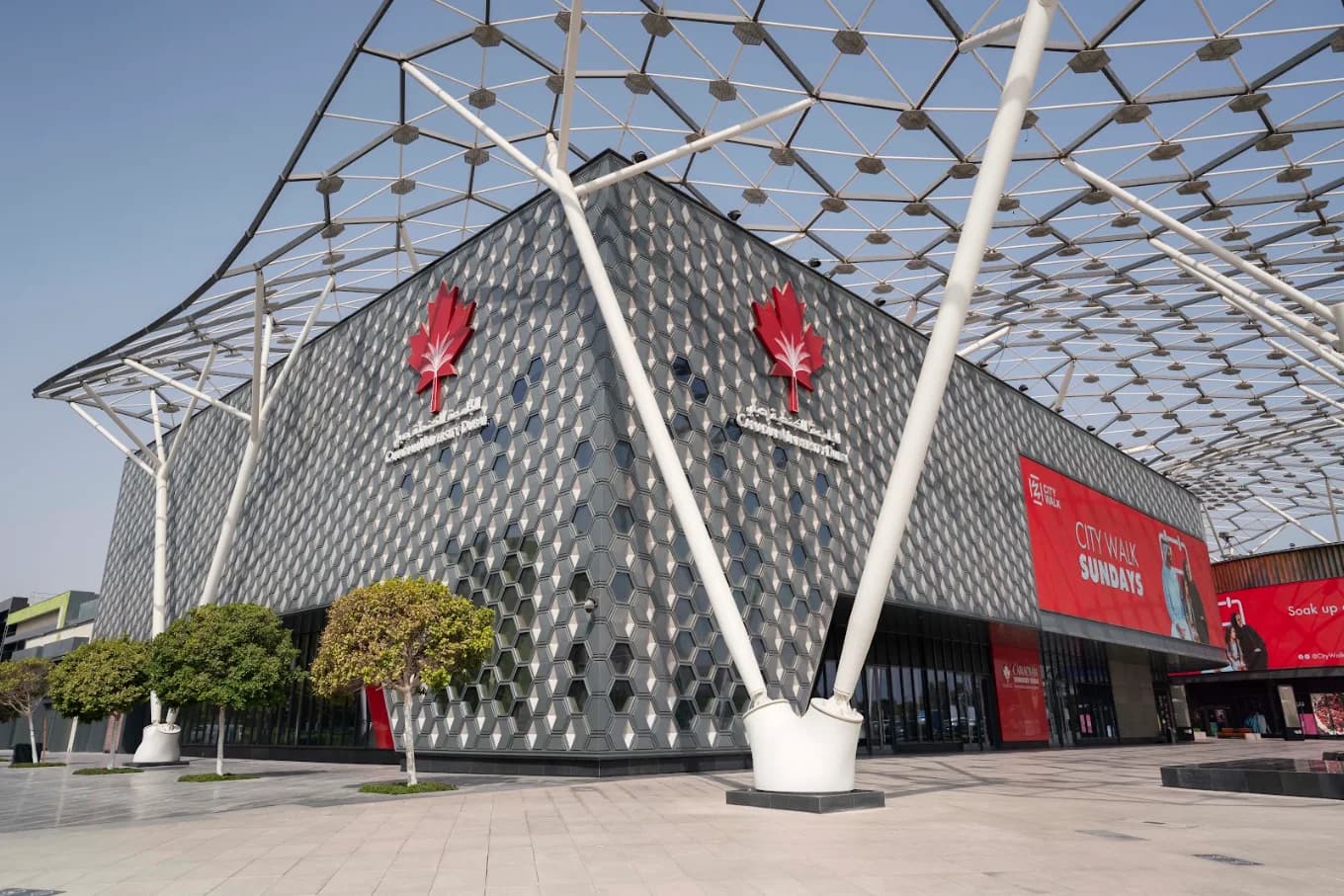
Canadian University Dubai
Dubai, United Arab Emirates
Private

Skyline University College (Horizon University College)
Sharjah, United Arab Emirates
Private
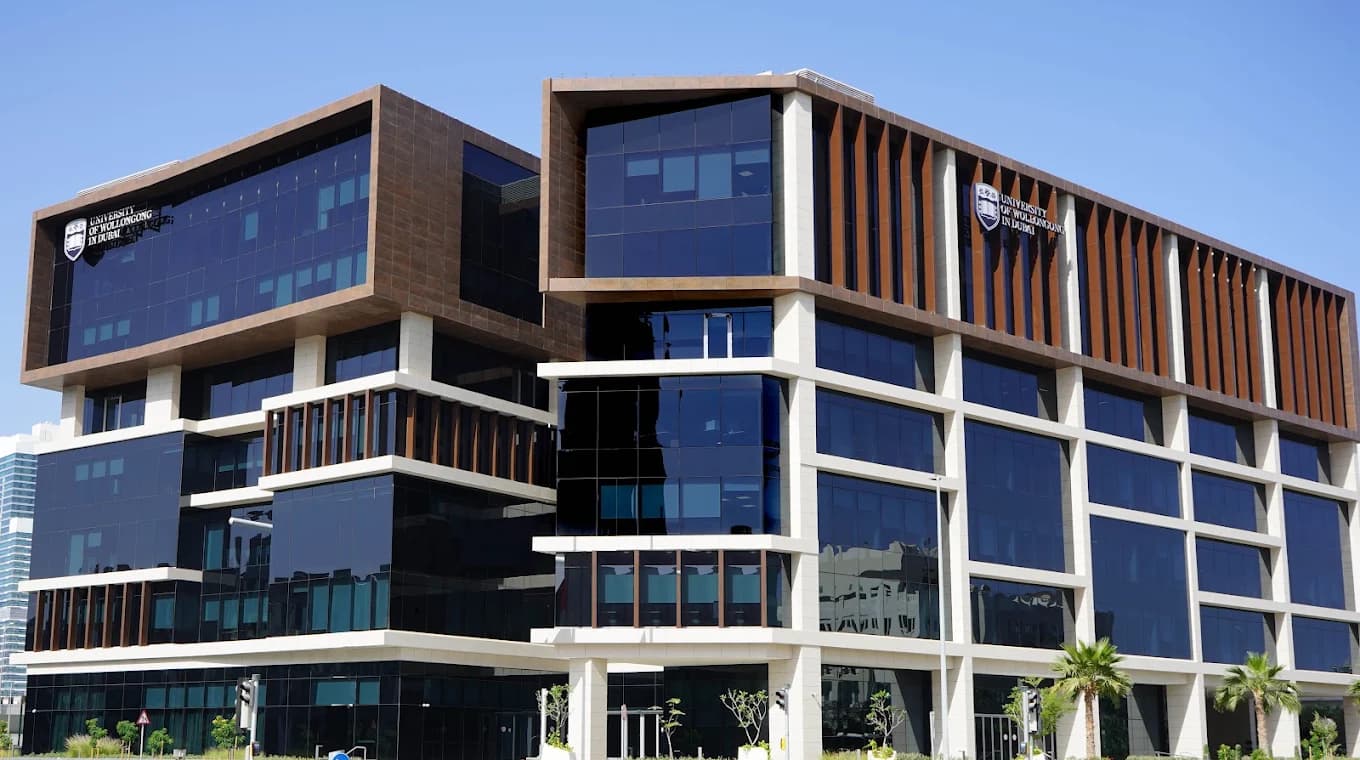
University of Wollongong in Dubai
Dubai, United Arab Emirates
Foreign branch campus
Frequently asked questions
Working on a project at American University in the Emirates?
Share your topic, your program's guidelines and your deadline on WhatsApp, and we'll help from there.
We are not affiliated with, endorsed by, or acting on behalf of American University in the Emirates.
Last reviewed: 2026-09-01