
Anglo-American University
Business, international relations, humanities
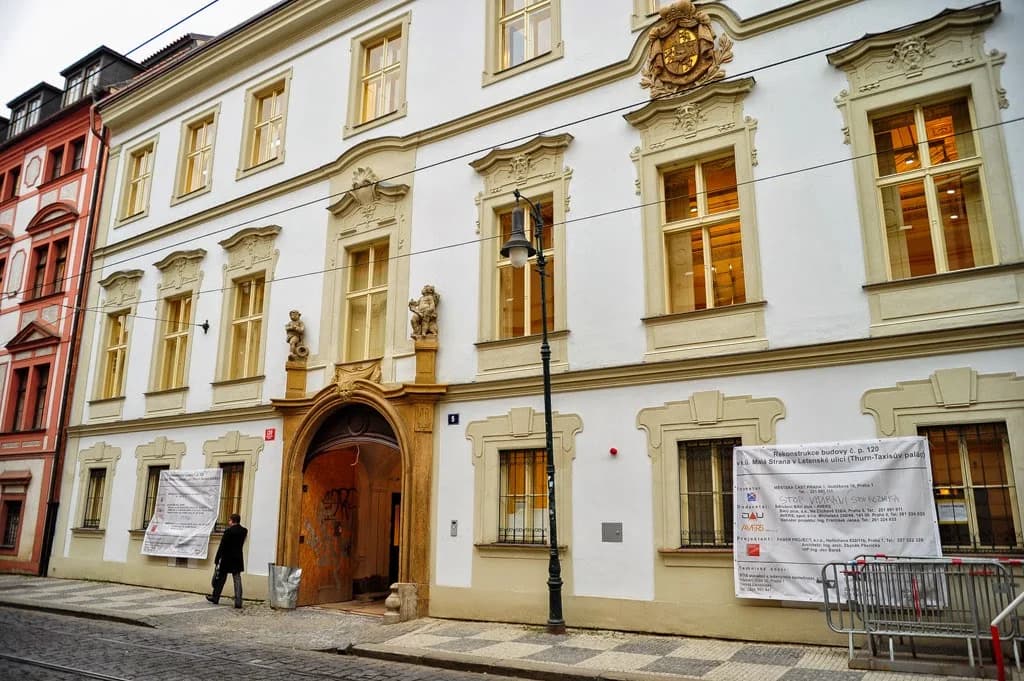
How a thesis is typically structured
Most of the structural problems examiners flag at private institutions show up in predictable places. A common one: an introduction that describes a broad topic rather than a specific, answerable question. Another: a literature review that summarizes sources one by one instead of showing where they disagree or where a gap remains — which then leaves the methodology chapter with nothing clear to justify. Results sections sometimes drift into interpretation that belongs in the discussion instead, and conclusions occasionally introduce new claims that were never actually argued in the body of the thesis. Knowing the twelve-part shape (title page, abstract, acknowledgements, contents, introduction, literature review, methodology, results, discussion, conclusion, references, appendices) is only useful once each part is doing the specific job it's meant to do, not just occupying the expected slot.
Citation and referencing norms
The referencing problems that show up most often in thesis drafts are mechanical rather than conceptual: a source cited in the text but missing from the reference list (or vice versa), inconsistent formatting of the same source type across entries, missing page numbers on direct quotations, and citation styles that quietly drift partway through a long document as chapters get written at different times.
A short verification pass before submission — checking that every in-text citation has a matching reference-list entry, and that one style is applied consistently throughout — catches most of this without needing to re-read the whole thesis line by line.
General thesis-writing tips
Momentum matters more than any single writing technique. Working in short, regular sessions with a concrete, measurable goal — a specific subsection drafted, one table analyzed, three sources summarized — tends to produce more usable pages over a semester than waiting for a large uninterrupted block of time that rarely arrives on schedule.
It also helps to write the methodology chapter close to when those decisions were actually made, since the reasoning behind a sampling choice or an analysis method is far easier to explain while it's fresh than to reconstruct from old notes weeks later.
How we support students at this institution
Support here works the same way no matter which of the private institutions a student is enrolled at: we're not affiliated with Anglo-American University and don't claim to know its internal policies, but we are experienced with the general shape of thesis work at institutions like it. When you send over your program's official guidelines and any notes from your supervisor, that becomes the actual brief we work from — not assumptions about what your university might expect.
What affects thesis complexity at this level
Complexity in a thesis rarely comes from length alone — it comes from what the methodology has to justify. Programs with a strong technical or scientific component typically require more defense of the analysis method itself (why this statistical test, why this dataset, why this experimental design), while programs with an applied or business orientation typically require more defense of the framing (why this case, why this context, why this recommendation follows from the evidence).
Based on what's typically studied here — Business, international relations, humanities — it's worth discussing with your supervisor early which of these two demands your specific thesis leans toward, since it changes how you should be spending your research time.
Formatting and submission norms
A pattern worth knowing, even though it isn't a rule: many programs default to something in the range of 2.5–3 cm (roughly 1 inch) margins, 1.5 or double line spacing for the main text, and a numbered table of contents generated from consistent heading styles. None of that is guaranteed for any specific program, though — some faculties require single spacing, wider binding margins for printed copies, or specific heading formatting tied to a style guide.
The only reliable way to confirm any of this is your own official handbook — treat anything general written here as a starting expectation, not a substitute for checking it.
Explore related universities

Charles University
Prague, Czech Republic
Public research
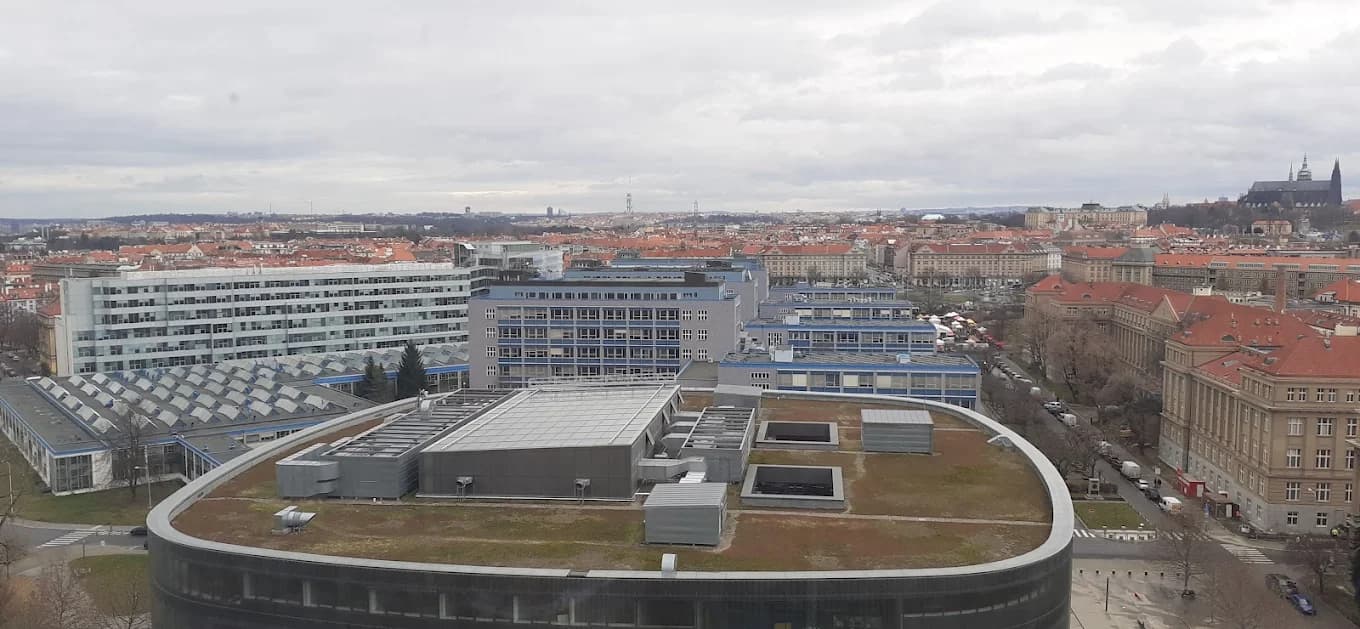
Czech Technical University in Prague
Prague, Czech Republic
Public technical
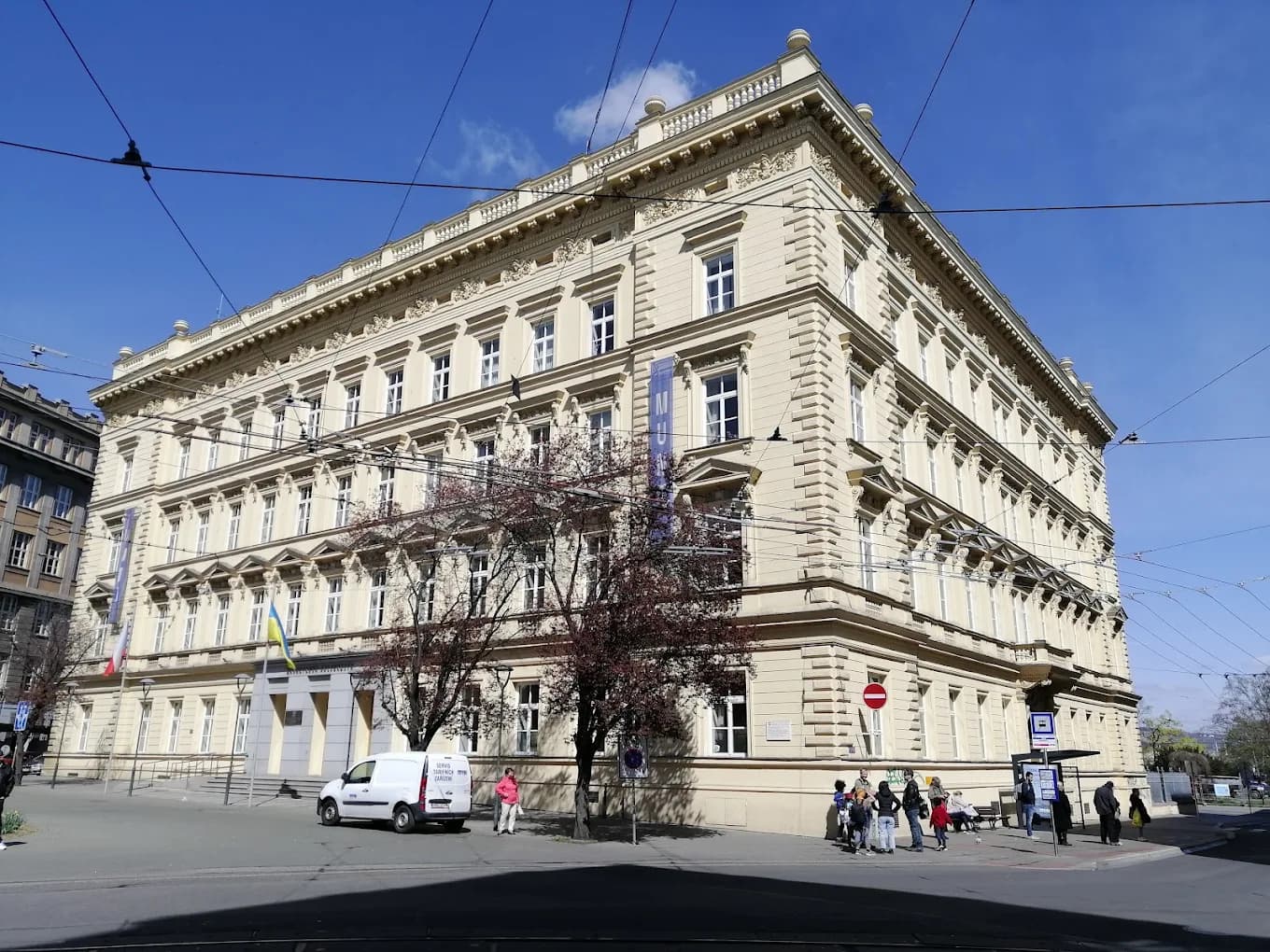
Masaryk University
Brno, Czech Republic
Public research
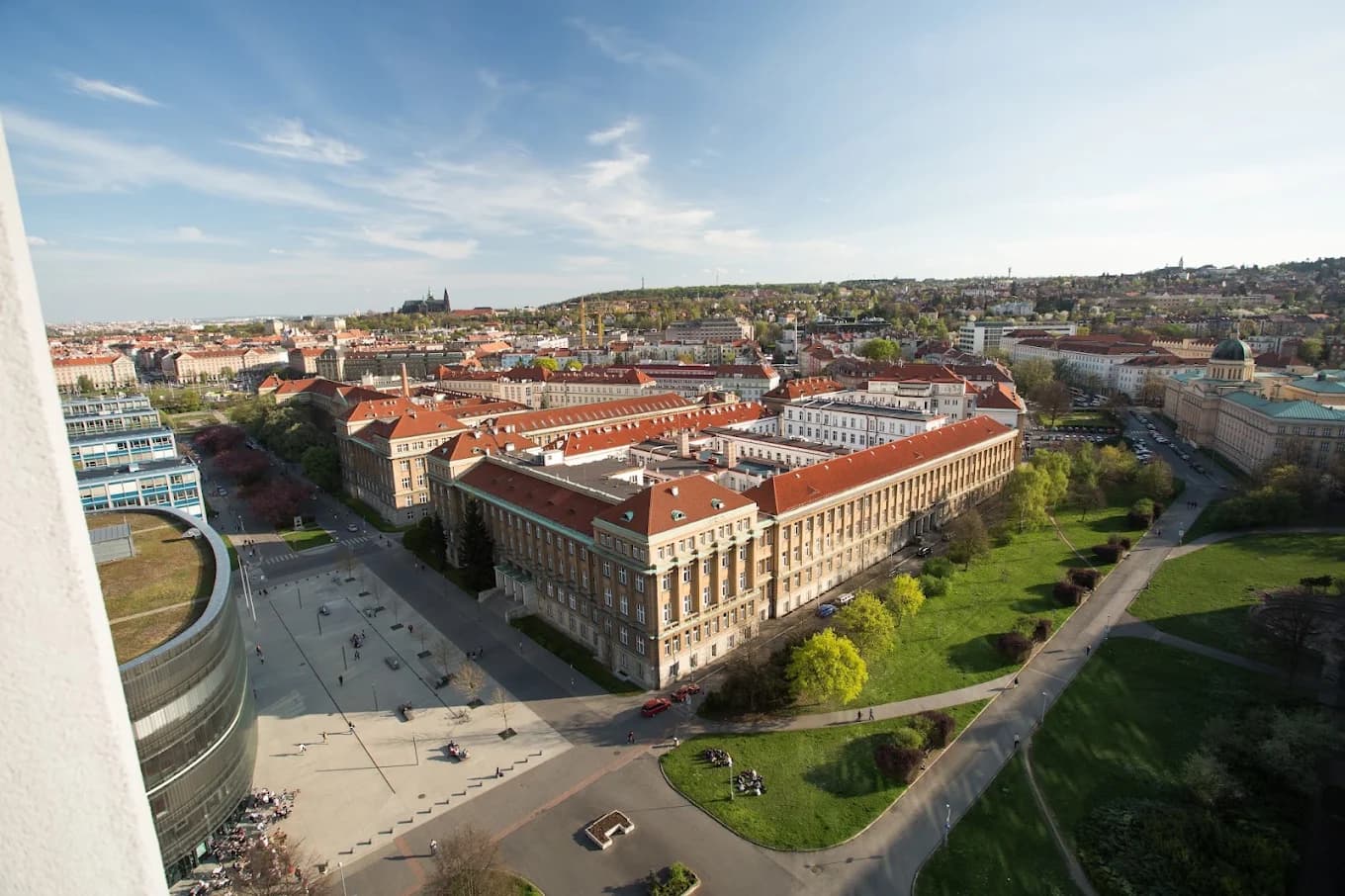
University of Chemistry and Technology, Prague
Prague, Czech Republic
Public technical

Czech University of Life Sciences Prague
Prague, Czech Republic
Public
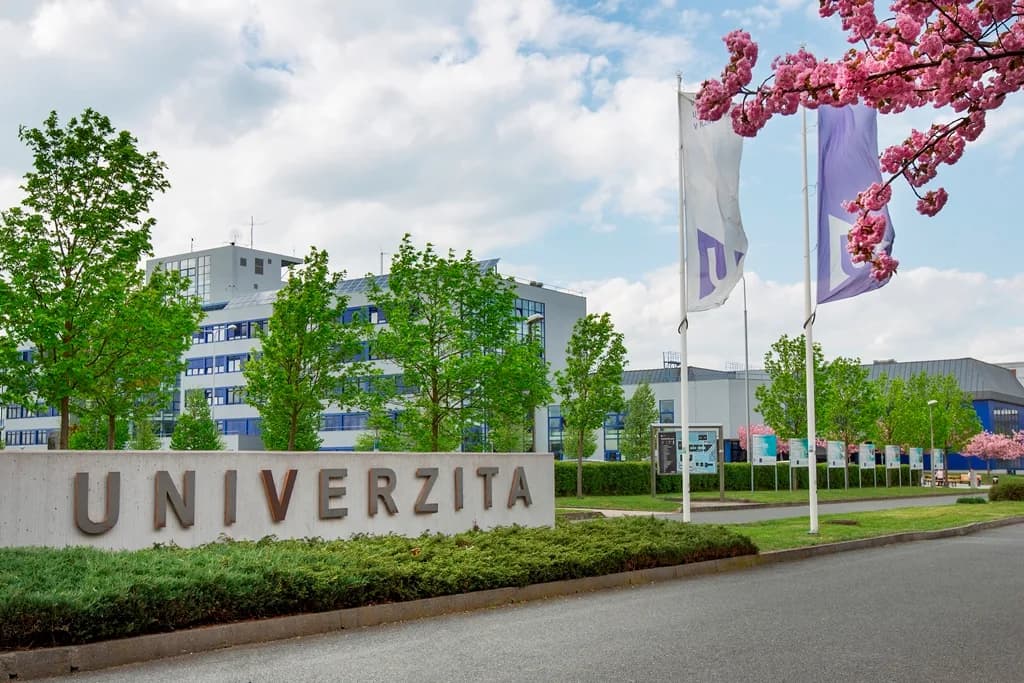
University of West Bohemia
Pilsen, Czech Republic
Public
Frequently asked questions
Working on a project at Anglo-American University?
Share your topic, your program's guidelines and your deadline on WhatsApp, and we'll help from there.
We are not affiliated with, endorsed by, or acting on behalf of Anglo-American University.
Last reviewed: 2026-09-01