
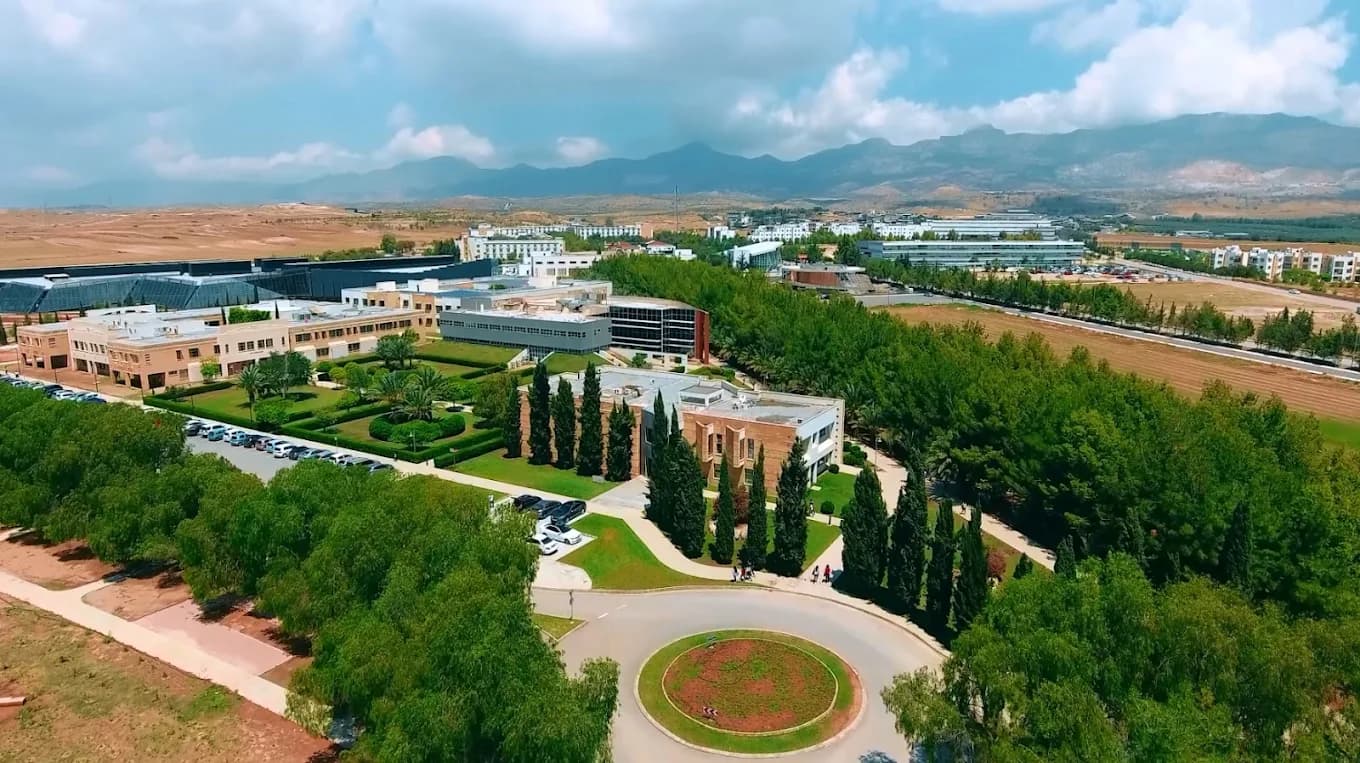
Cyprus International University
Business, engineering, pharmacy
How a thesis is typically structured
Thinking about thesis structure from the examiner's side of the table changes what each section is for. At the defense or viva stage, reviewers at private institutions are typically checking that the introduction actually sets up a question the rest of the document answers, that the literature review earns the methodology that follows it, and that the results and discussion stay in their own lanes — findings first, interpretation second. The conclusion gets checked against the introduction almost line by line: does it answer what was actually asked? The remaining parts — title page, abstract, acknowledgements, table of contents, references and appendices — matter for a different reason: they're what makes the document usable and verifiable by someone who wasn't in the room while it was written.
Citation and referencing norms
Citation style is usually decided by discipline more than by any single rule: APA is common across the social sciences, education and much of business writing; IEEE is standard in most engineering and computer-science programs; Vancouver-style numbered referencing dominates medicine and the health sciences; and Harvard or MLA referencing shows up frequently in humanities and Commonwealth-influenced programs.
Conventions vary by program even within one country, so treat any general pattern as a starting point rather than a rule.
None of this is a substitute for what your own program actually specifies — treat it as background, and confirm the required style in your handbook or with your supervisor before you commit to one.
General thesis-writing tips
Treating a thesis less like a single long essay and more like a managed project tends to produce steadier progress. That means keeping a source log with full citation details from the first day of reading (not after), writing analytical or methodology chapters close to when the underlying decisions were made, and separating revision into distinct passes — first for argument and structure, then for evidence and analysis, and only then for sentence-level clarity and proofreading.
None of this replaces the actual thinking a thesis requires, but it removes a lot of the friction that turns a manageable project into a rushed one.
How we support students at this institution
A common question is whether we already know what Cyprus International University expects. We don't, and we're upfront about that — we have no official relationship with Cyprus International University. What we do have is experience supporting students across private institutions, which means we know the right questions to ask: for your program's specific handbook, your citation and formatting requirements, and your supervisor's feedback so far. Those documents, not assumptions, are what shape the actual work.
What affects thesis complexity at this level
Thesis scope tends to track the kind of program a student is in more than almost anything else. Given the programs typically associated with this institution — Business, engineering, pharmacy — a thesis here plausibly sits somewhere on a spectrum from data- and methodology-heavy (common in technical, engineering or computing programs) to applied and case-study-driven (common in business, management and other professionally oriented fields). Knowing roughly where your own program sits on that spectrum is more useful early on than any generic length or difficulty guideline.
Formatting and submission norms
Formatting mistakes are rarely about not knowing formatting exists — they're usually about applying last semester's template, a friend's program's rules, or a generic online example instead of the current, program-specific version. Requirements can change between academic years, and can differ even between two programs in the same faculty.
The safest habit is a direct one: download the current formatting guide from your own program before your final formatting pass, and check margins, spacing, pagination, heading styles and submission format (electronic, printed, or both) against that document specifically — not against general norms, including the ones described on this page.
Explore related universities
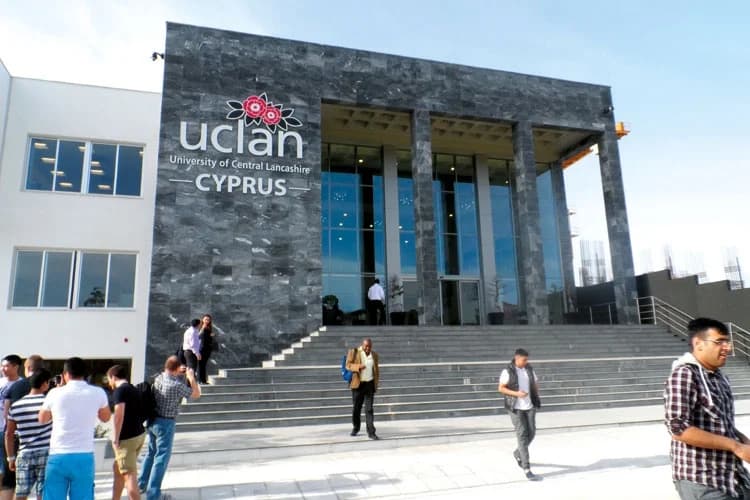
University of Central Lancashire Cyprus
Larnaca, Cyprus
Foreign branch campus

Neapolis University Pafos
Paphos, Cyprus
Private

CTL Eurocollege
Limassol, Cyprus
Private college
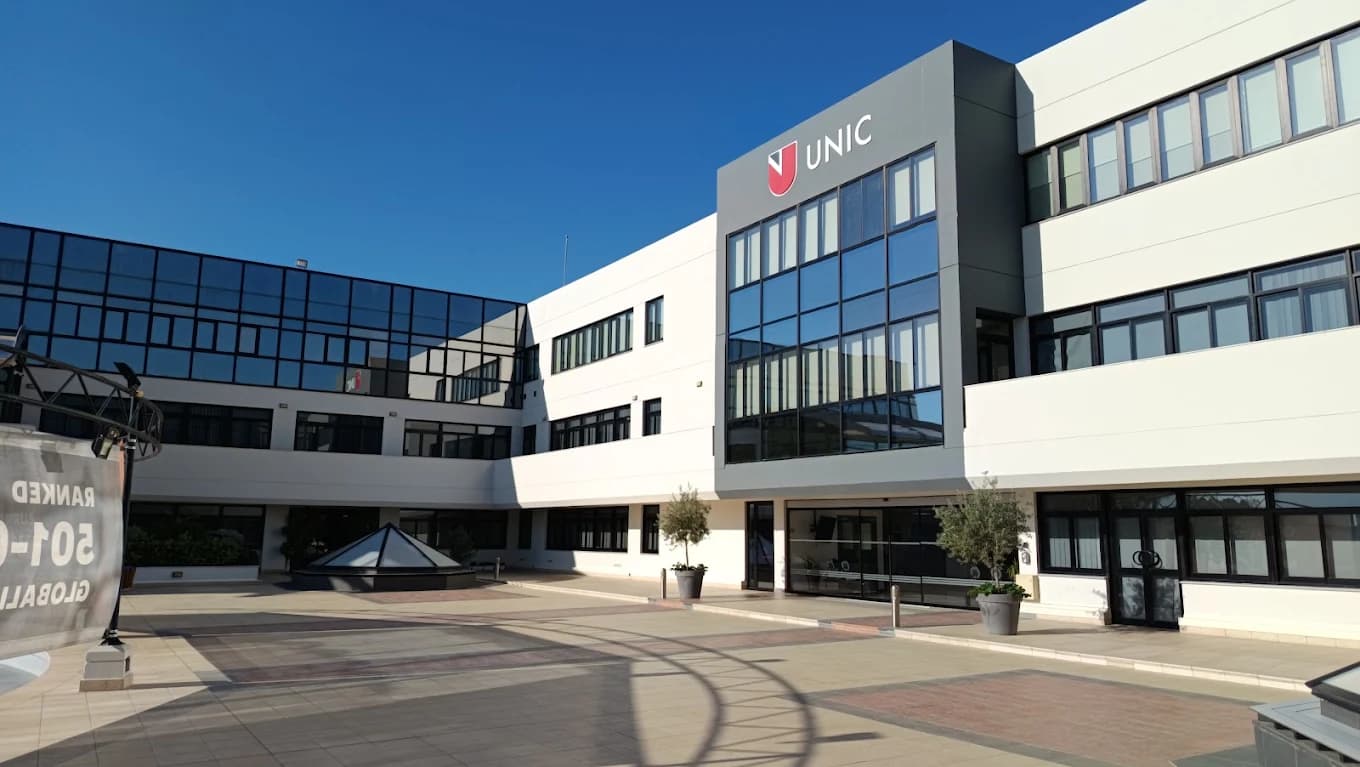
University of Nicosia
Nicosia, Cyprus
Private
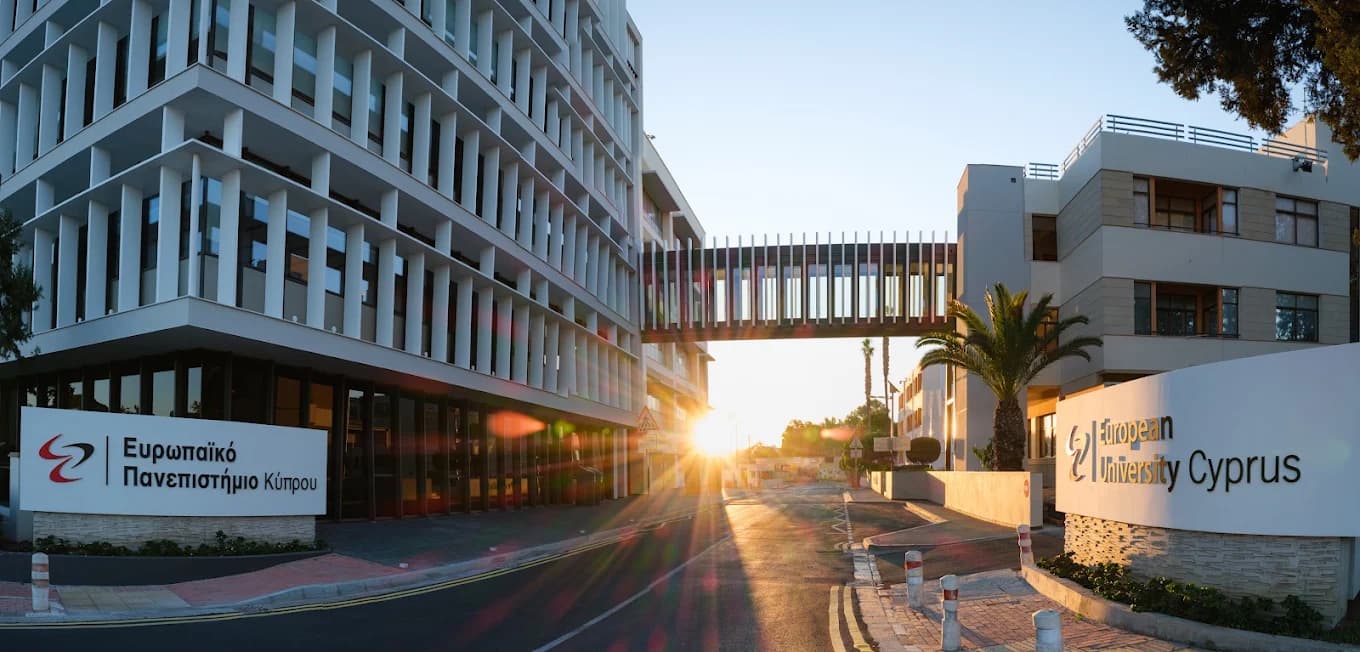
European University Cyprus
Nicosia, Cyprus
Private

Frederick University
Nicosia / Limassol, Cyprus
Private
Frequently asked questions
Working on a project at Cyprus International University?
Share your topic, your program's guidelines and your deadline on WhatsApp, and we'll help from there.
We are not affiliated with, endorsed by, or acting on behalf of Cyprus International University.
Last reviewed: 2026-09-01