
Delft University of Technology
Civil, water, aerospace engineering
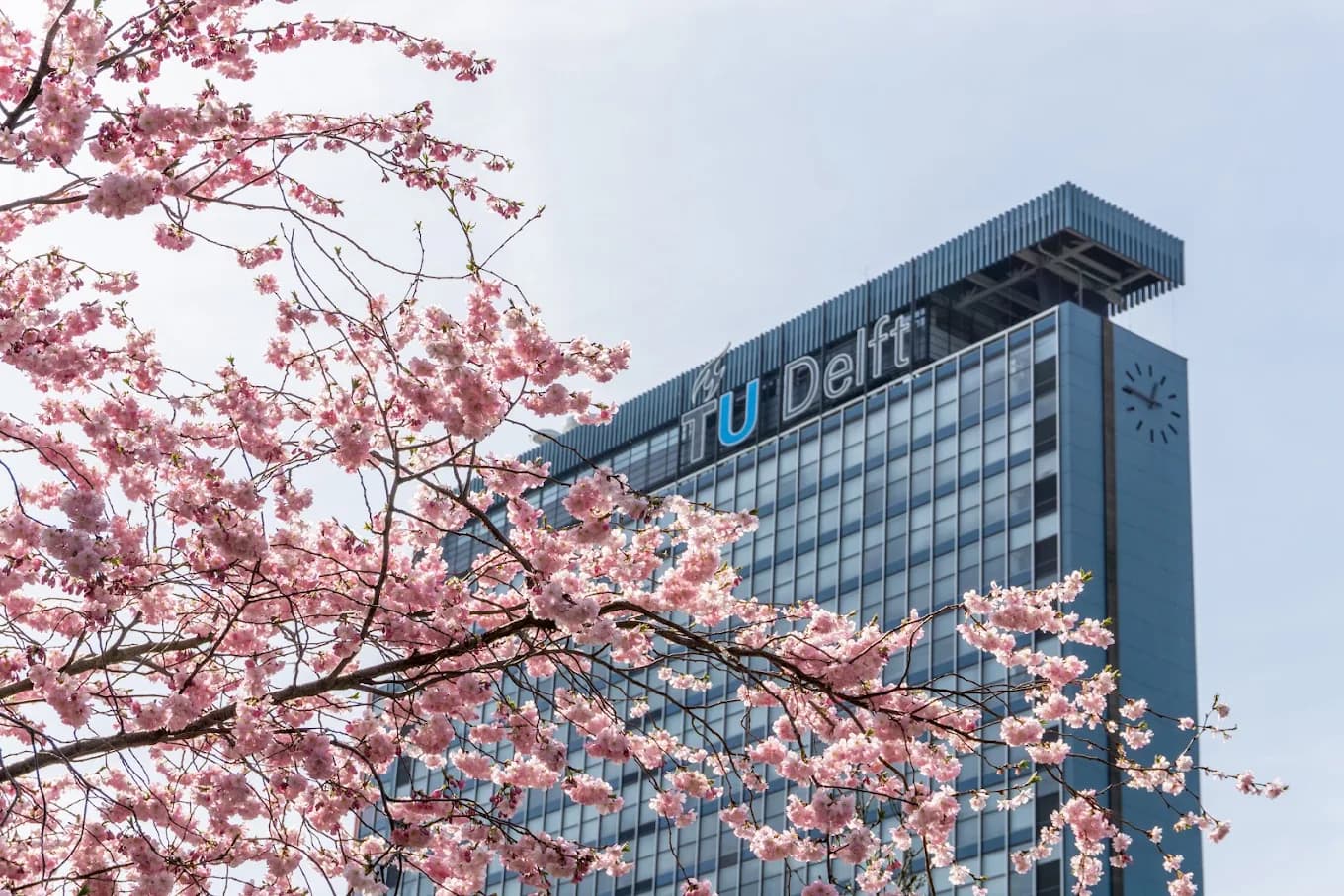
How a thesis is typically structured
A thesis committee at public research universities is usually reading for a specific shape, even before they get to your actual argument. The roughly twelve parts below are the shape most reviewers expect, each doing one clear job:
- •Title Page — identifies the work, author and program
- •Abstract — summarizes the question, method and findings in miniature
- •Acknowledgements — credits supervisors, funders and support
- •Table of Contents — maps the document for the reader
- •Introduction — frames the problem and states the research question
- •Literature Review — shows what's already known and where the gap is
- •Methodology — explains how the research was actually carried out
- •Results — reports what was found, without interpreting it yet
- •Discussion — explains what the results mean and why it matters
- •Conclusion — answers the original question and notes limitations
- •References — lists every source cited in the text
- •Appendices — holds supporting material that would clutter the main text
Citation and referencing norms
Citation style is usually decided by discipline more than by any single rule: APA is common across the social sciences, education and much of business writing; IEEE is standard in most engineering and computer-science programs; Vancouver-style numbered referencing dominates medicine and the health sciences; and Harvard or MLA referencing shows up frequently in humanities and Commonwealth-influenced programs.
APA is widely used across Dutch university programs, particularly in social sciences and business.
None of this is a substitute for what your own program actually specifies — treat it as background, and confirm the required style in your handbook or with your supervisor before you commit to one.
General thesis-writing tips
Momentum matters more than any single writing technique. Working in short, regular sessions with a concrete, measurable goal — a specific subsection drafted, one table analyzed, three sources summarized — tends to produce more usable pages over a semester than waiting for a large uninterrupted block of time that rarely arrives on schedule.
It also helps to write the methodology chapter close to when those decisions were actually made, since the reasoning behind a sampling choice or an analysis method is far easier to explain while it's fresh than to reconstruct from old notes weeks later.
How we support students at this institution
A common question is whether we already know what Delft University of Technology expects. We don't, and we're upfront about that — we have no official relationship with Delft University of Technology. What we do have is experience supporting students across public research universities, which means we know the right questions to ask: for your program's specific handbook, your citation and formatting requirements, and your supervisor's feedback so far. Those documents, not assumptions, are what shape the actual work.
What affects thesis complexity at this level
Thesis scope tends to track the kind of program a student is in more than almost anything else. Given the programs typically associated with this institution — Civil, water, aerospace engineering — a thesis here plausibly sits somewhere on a spectrum from data- and methodology-heavy (common in technical, engineering or computing programs) to applied and case-study-driven (common in business, management and other professionally oriented fields). Knowing roughly where your own program sits on that spectrum is more useful early on than any generic length or difficulty guideline.
Formatting and submission norms
Formatting requirements — margins, line spacing, font, pagination, and whether a thesis is submitted electronically, in print, or both — vary considerably between institutions, and often between programs at the same institution. There is no single universal standard, even though many programs converge on broadly similar defaults (1-inch margins, double or 1.5 line spacing, a numbered contents page).
This page describes general academic norms, not a specific formatting requirement — your own university's thesis handbook or formatting guide is the authoritative source, and it should always take precedence over anything general written here.
Explore related universities
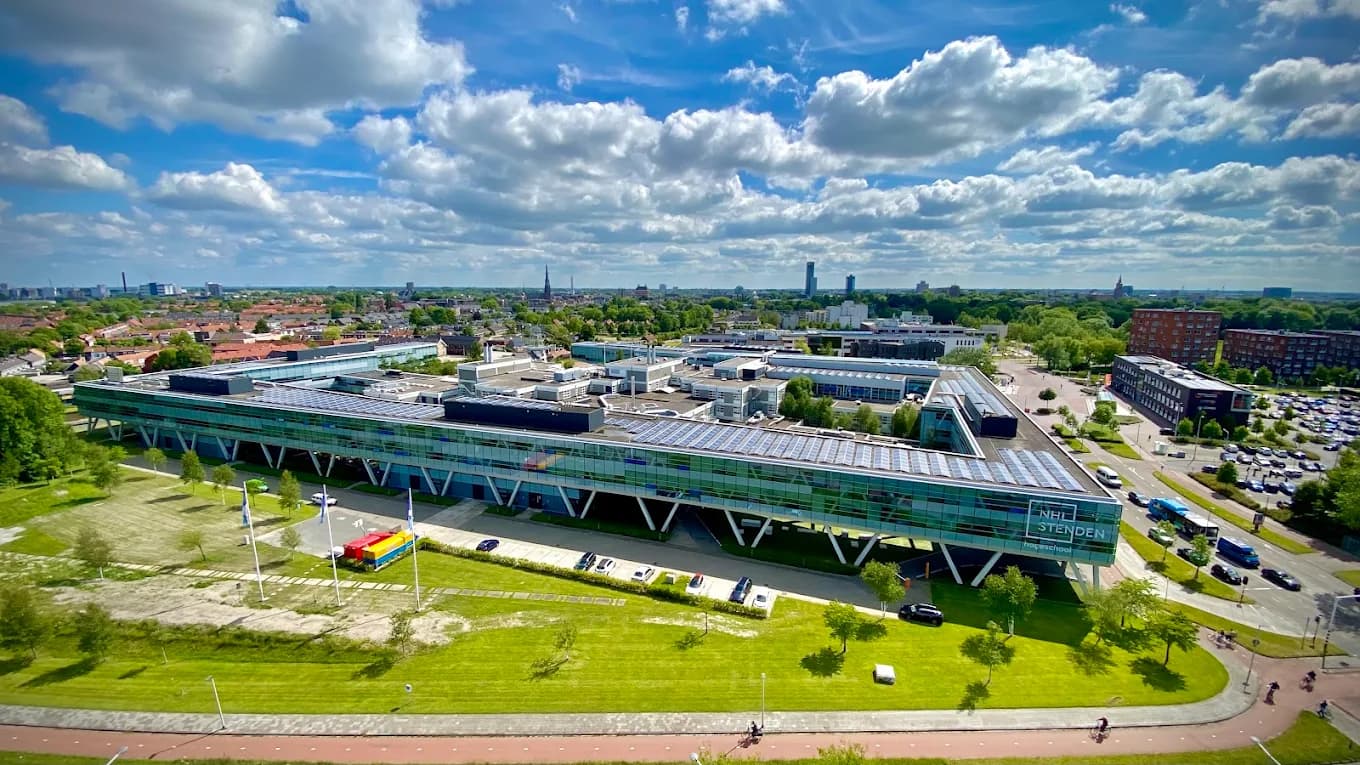
NHL Stenden University of Applied Sciences
Leeuwarden, Netherlands
Public UAS
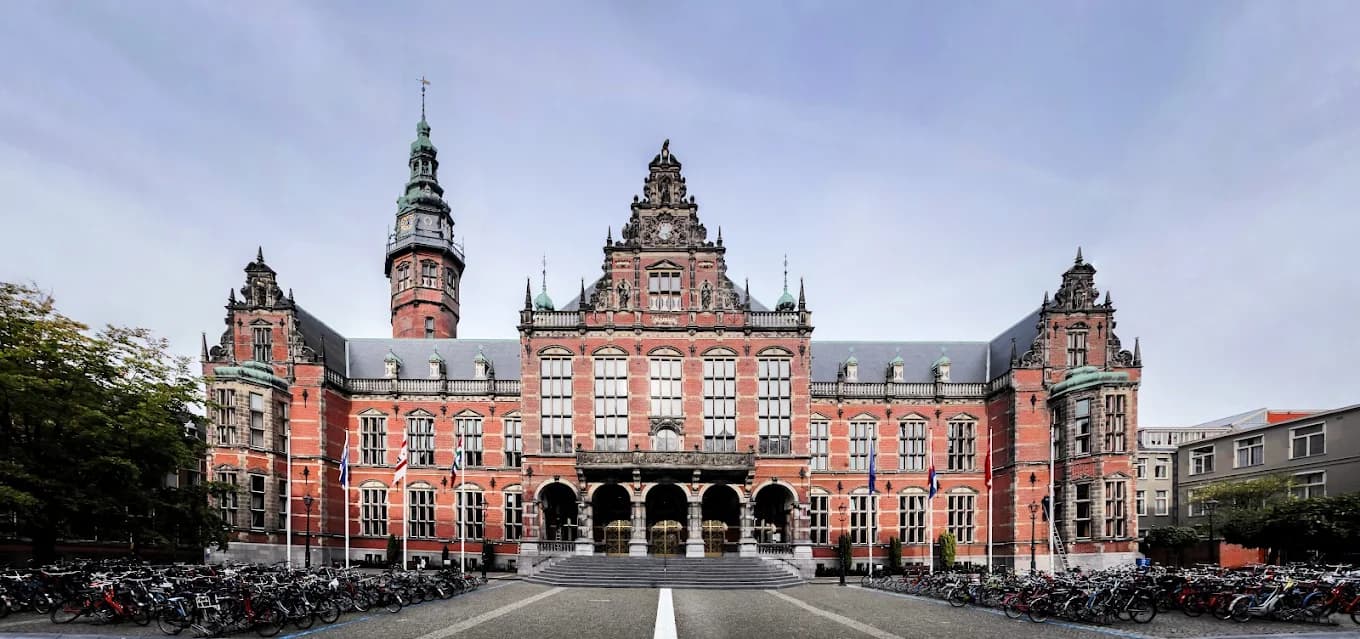
University of Groningen
Groningen, Netherlands
Public research
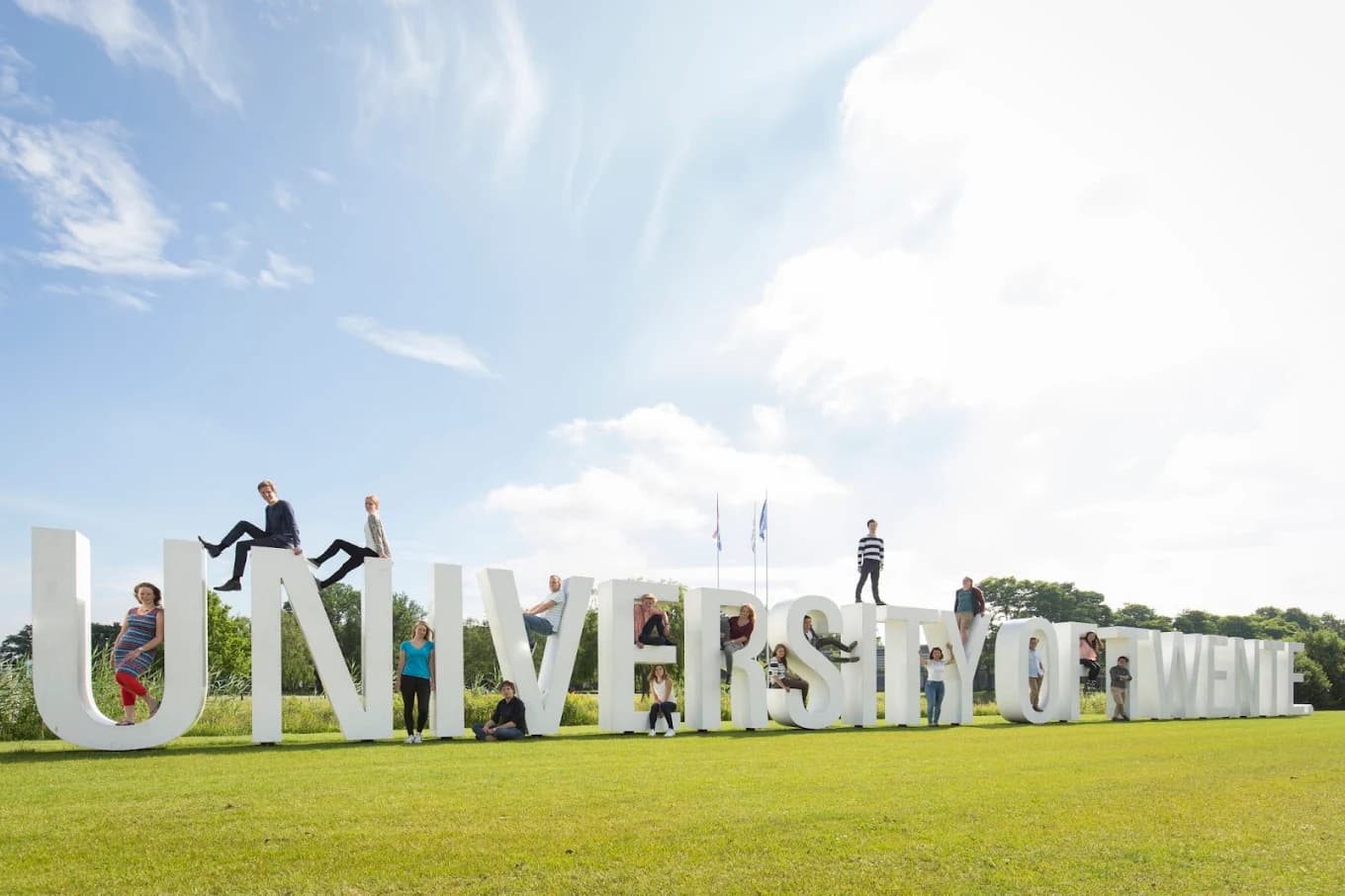
University of Twente
Enschede, Netherlands
Public research
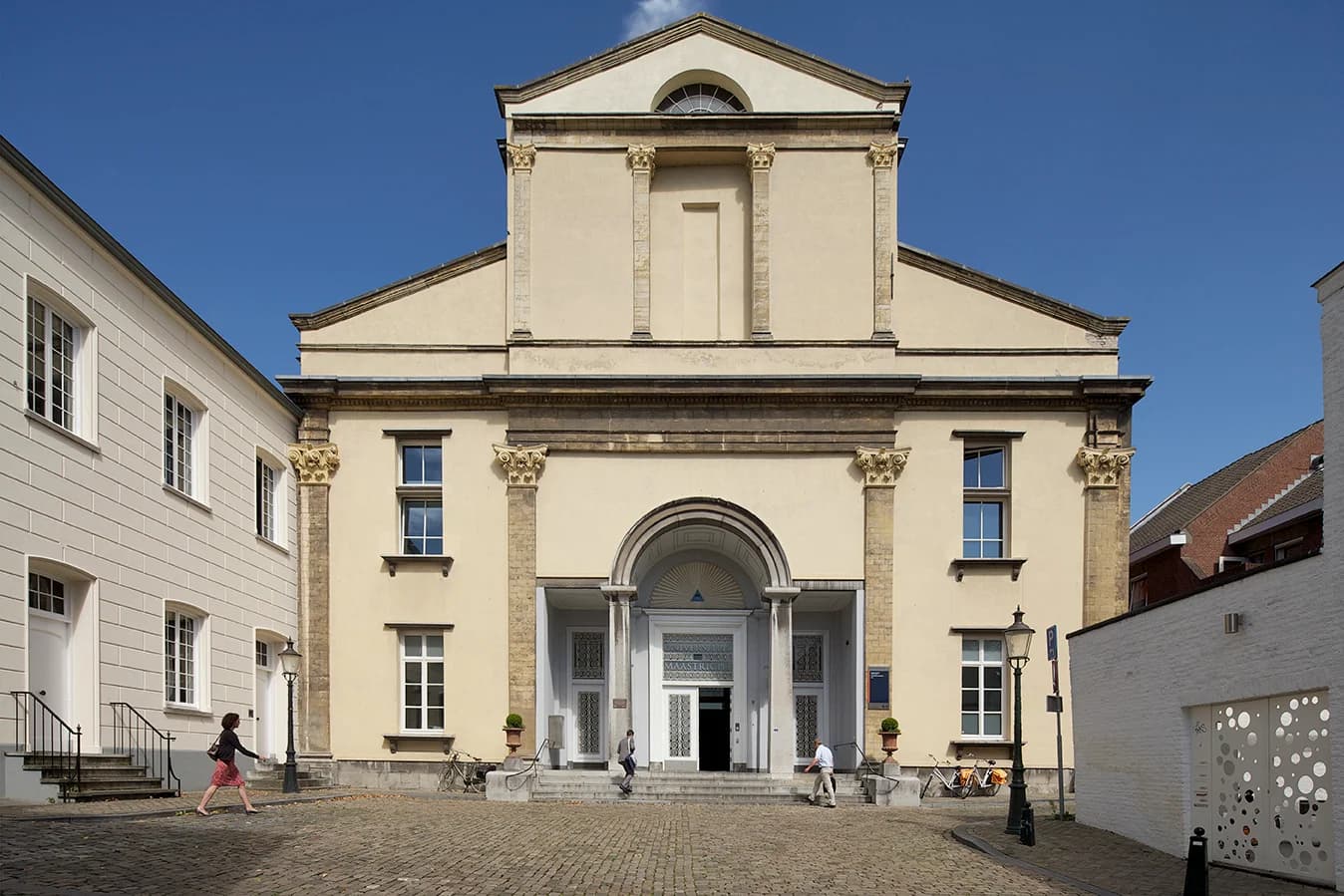
Maastricht University
Maastricht, Netherlands
Public research
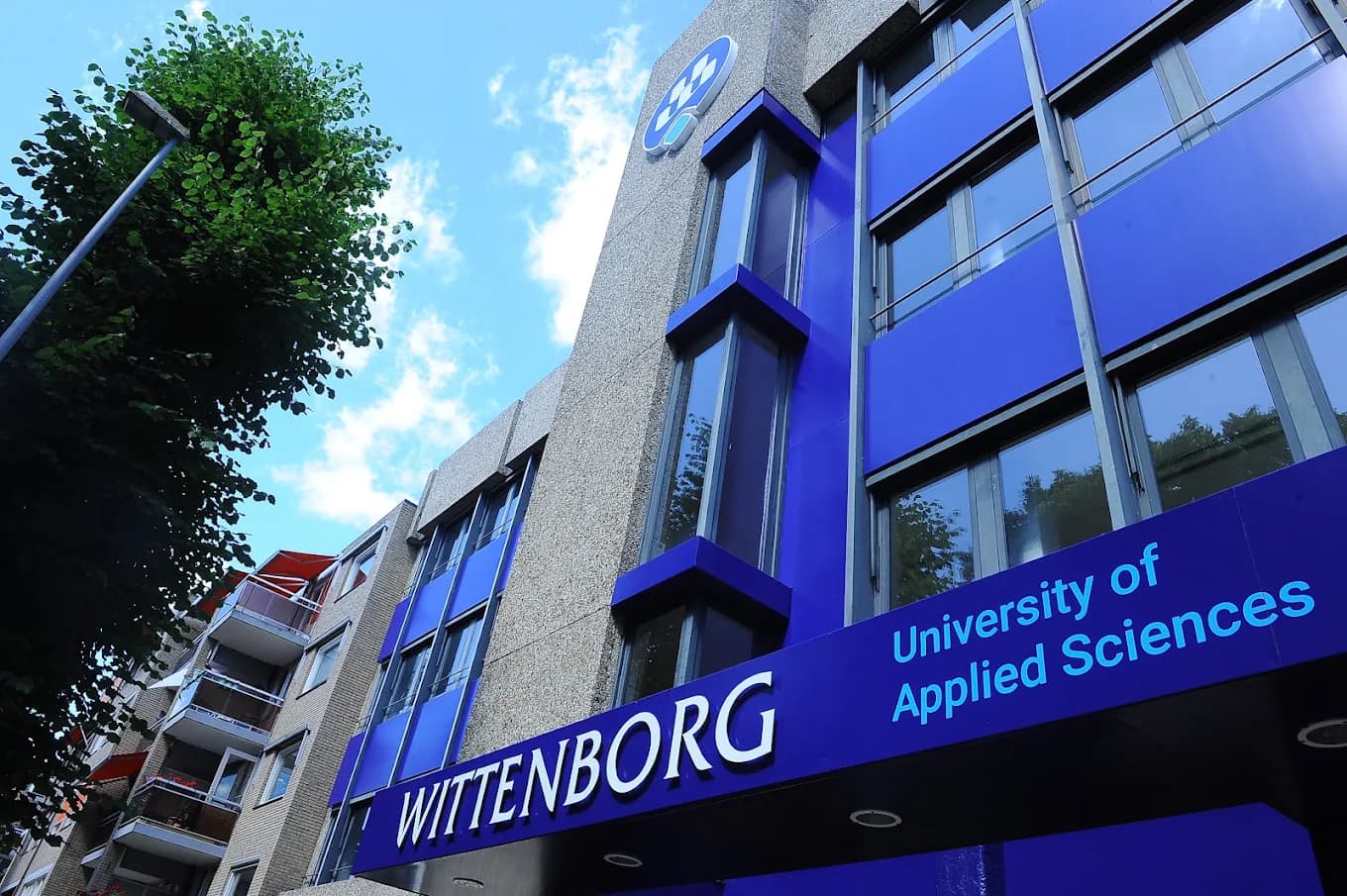
Wittenborg University of Applied Sciences
Apeldoorn / Amsterdam, Netherlands
Private UAS
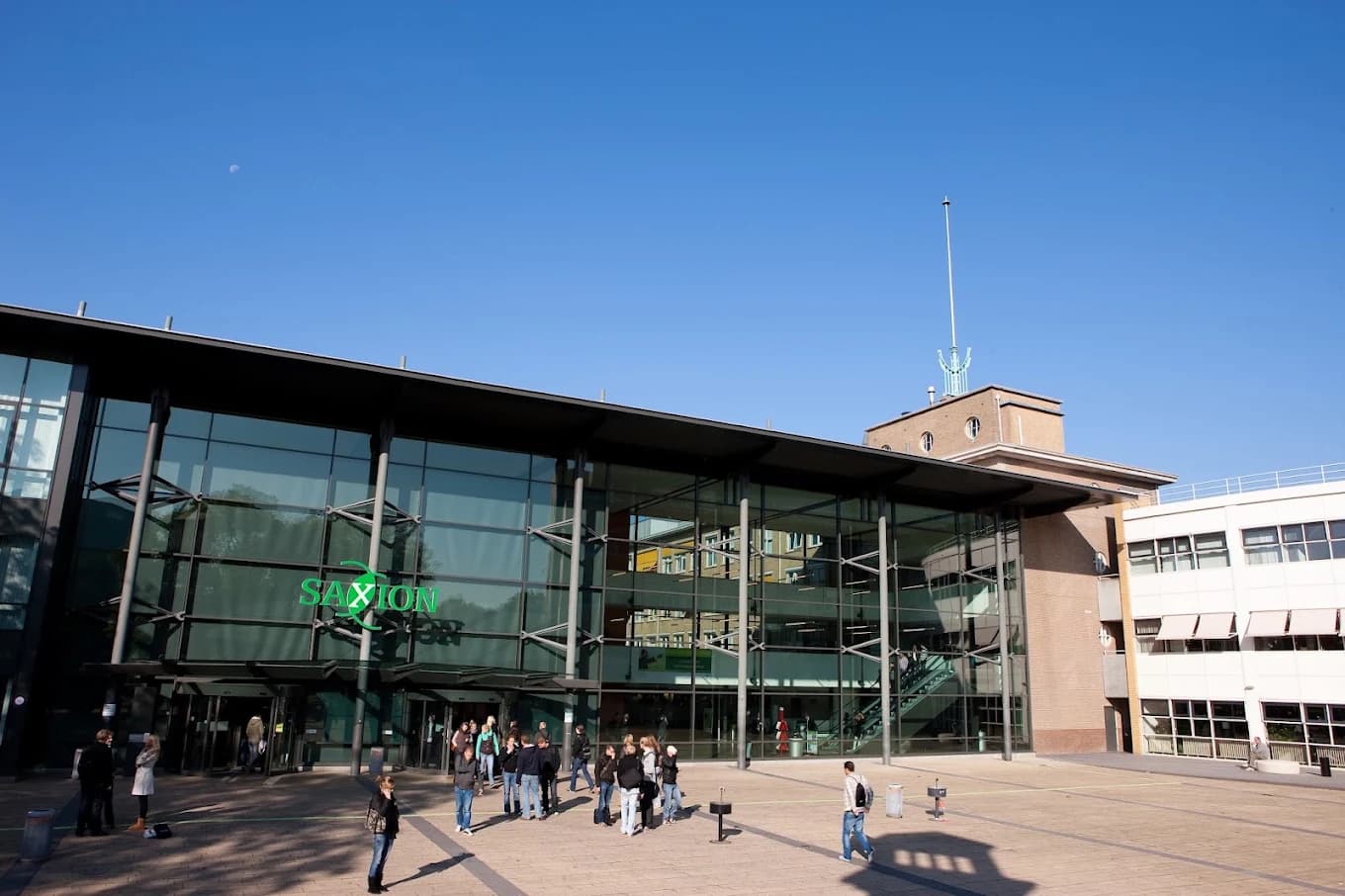
Saxion University of Applied Sciences
Enschede / Deventer, Netherlands
Public UAS
Frequently asked questions
Working on a project at Delft University of Technology?
Share your topic, your program's guidelines and your deadline on WhatsApp, and we'll help from there.
We are not affiliated with, endorsed by, or acting on behalf of Delft University of Technology.
Last reviewed: 2026-09-01