
Dublin Business School
Business, finance, IT

How a thesis is typically structured
It helps to think of the standard thesis structure less as a checklist and more as a chain of argument, where each chapter has to earn the next. The introduction states a question worth answering; the literature review shows that question hasn't already been answered, which is what justifies the methodology chapter's choices about how to answer it. Results then report what was actually found — deliberately kept separate from the discussion, which is where those findings get interpreted and connected back to the literature. The conclusion closes the loop by returning to the original question with an answer the reader can trace, step by step, all the way back to the introduction. Reviewers at private institutions are usually testing whether that chain holds, not just whether the twelve expected sections are present.
Citation and referencing norms
The referencing problems that show up most often in thesis drafts are mechanical rather than conceptual: a source cited in the text but missing from the reference list (or vice versa), inconsistent formatting of the same source type across entries, missing page numbers on direct quotations, and citation styles that quietly drift partway through a long document as chapters get written at different times.
A short verification pass before submission — checking that every in-text citation has a matching reference-list entry, and that one style is applied consistently throughout — catches most of this without needing to re-read the whole thesis line by line.
General thesis-writing tips
Momentum matters more than any single writing technique. Working in short, regular sessions with a concrete, measurable goal — a specific subsection drafted, one table analyzed, three sources summarized — tends to produce more usable pages over a semester than waiting for a large uninterrupted block of time that rarely arrives on schedule.
It also helps to write the methodology chapter close to when those decisions were actually made, since the reasoning behind a sampling choice or an analysis method is far easier to explain while it's fresh than to reconstruct from old notes weeks later.
How we support students at this institution
Support here works the same way no matter which of the private institutions a student is enrolled at: we're not affiliated with Dublin Business School and don't claim to know its internal policies, but we are experienced with the general shape of thesis work at institutions like it. When you send over your program's official guidelines and any notes from your supervisor, that becomes the actual brief we work from — not assumptions about what your university might expect.
What affects thesis complexity at this level
Program type has a real effect on what a thesis at this level typically involves. Based on the programs Dublin Business School is generally known for — Business, finance, IT — students here are likely working within one of a few common shapes: technical and data-heavy programs usually push methodology and results chapters toward statistical or computational analysis, while applied or professional programs (business, management, public-facing fields) more often lean on case-study framing, stakeholder analysis or applied recommendations instead of raw data collection.
Either way, the general principle holds: methodology should match what the research question actually needs, not what looks most impressive on paper.
Formatting and submission norms
It's worth treating formatting as its own checklist, separate from the writing itself: margin size, spacing, font and size, page numbering style (and where numbering starts), heading levels, table and figure numbering, and the required file format for submission (PDF is common, but not universal) can all be specified by a program and easy to miss until late in the process.
Submission method is a similar case — electronic-only submission, printed and bound copies, or both, is decided by the institution or program, not by general convention, so it's worth confirming before you're near a deadline rather than after.
Explore related universities
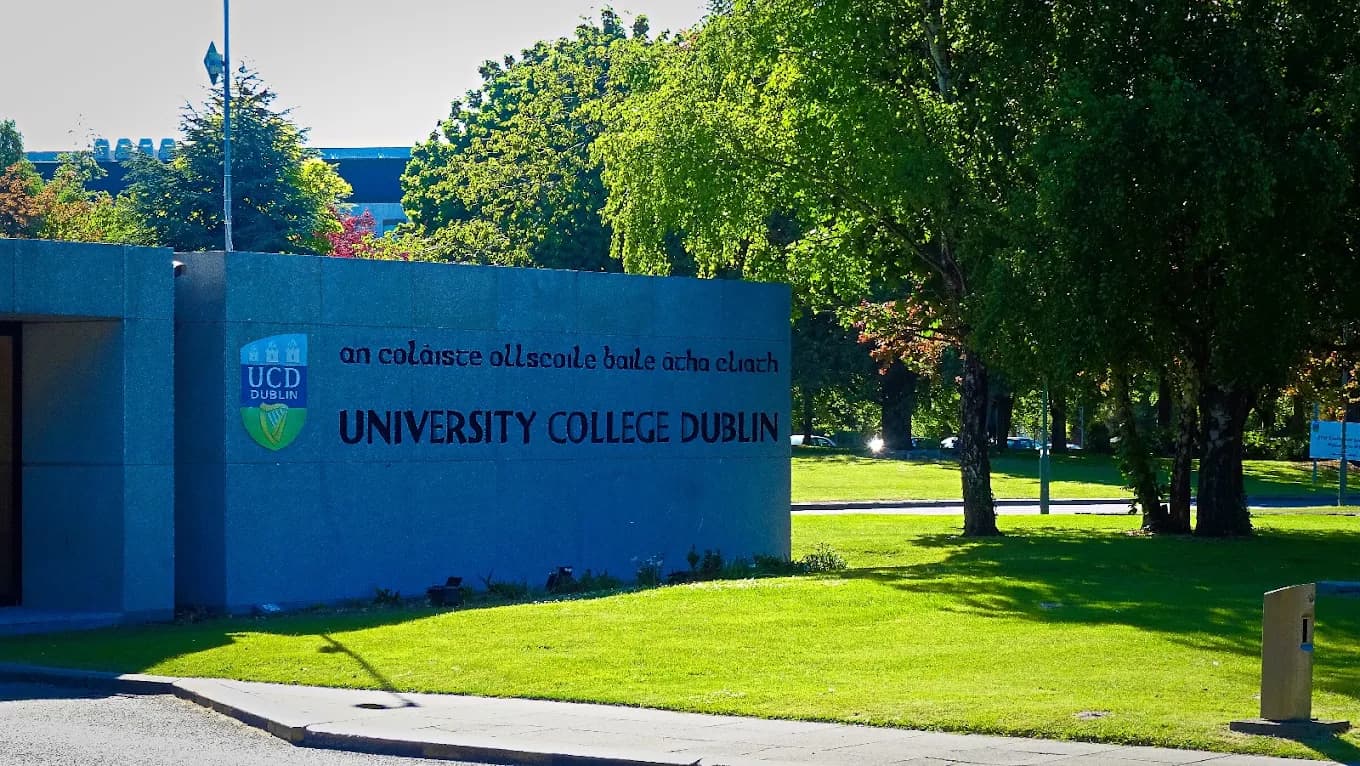
University College Dublin
Dublin, Ireland
Public research
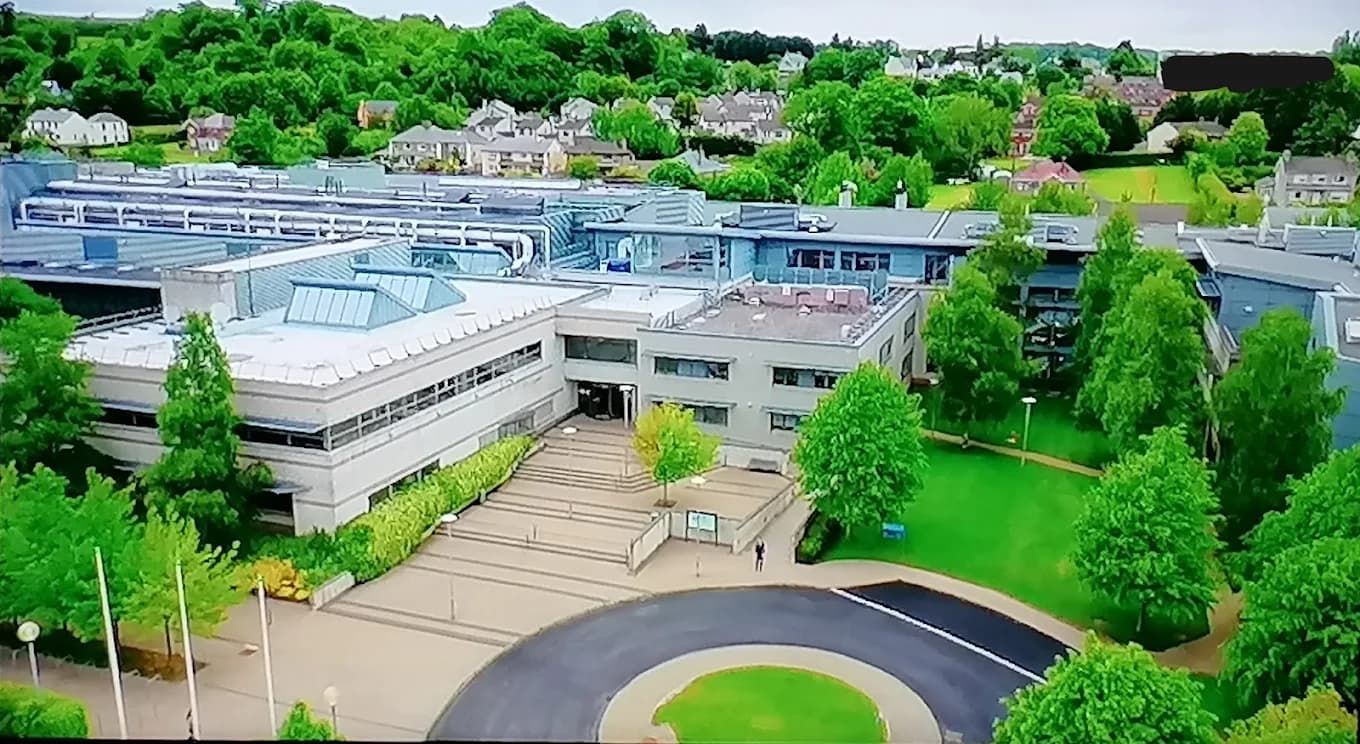
Atlantic Technological University
Galway / Sligo / Letterkenny, Ireland
Public
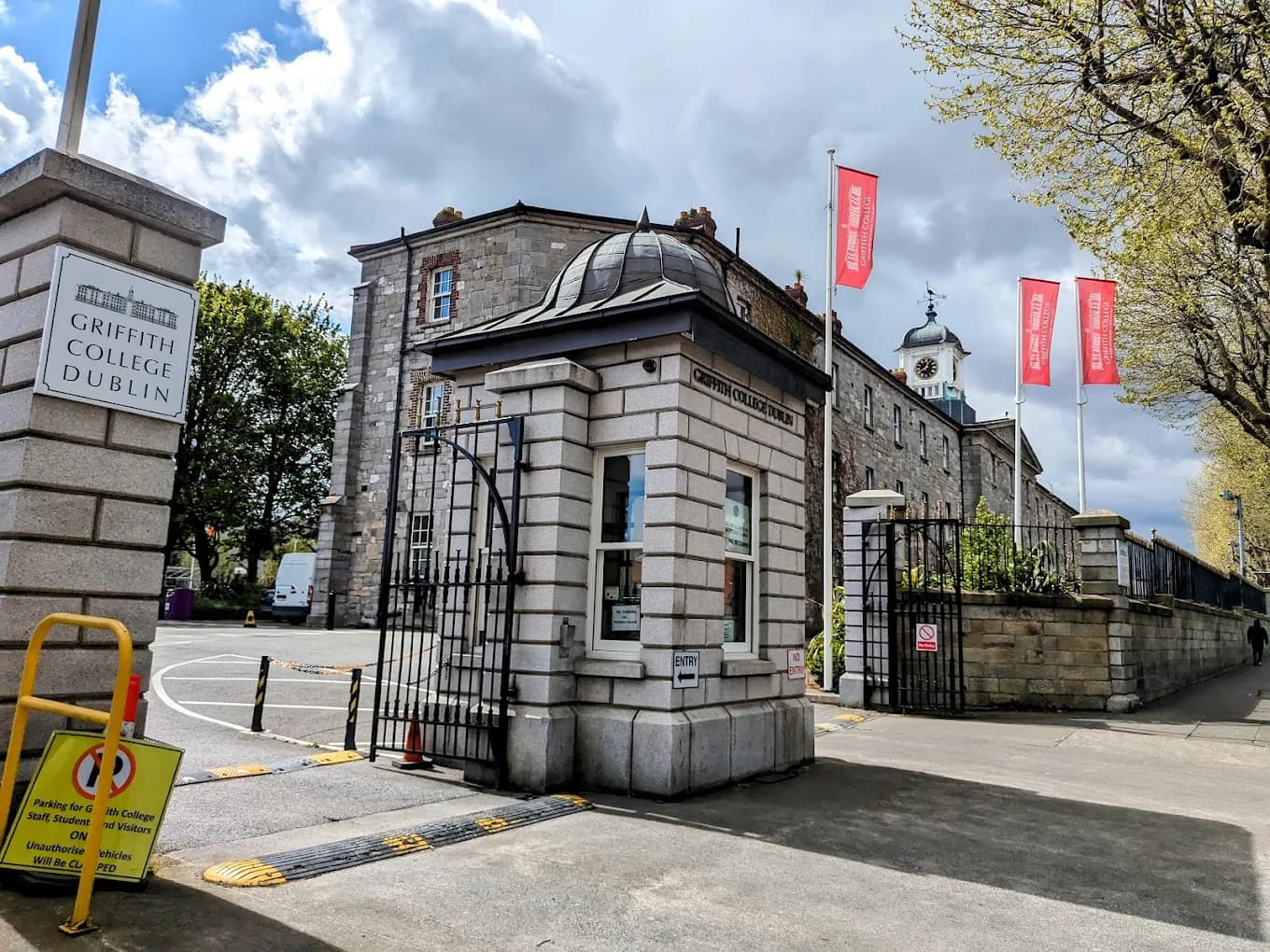
Griffith College
Dublin / Cork / Limerick, Ireland
Private
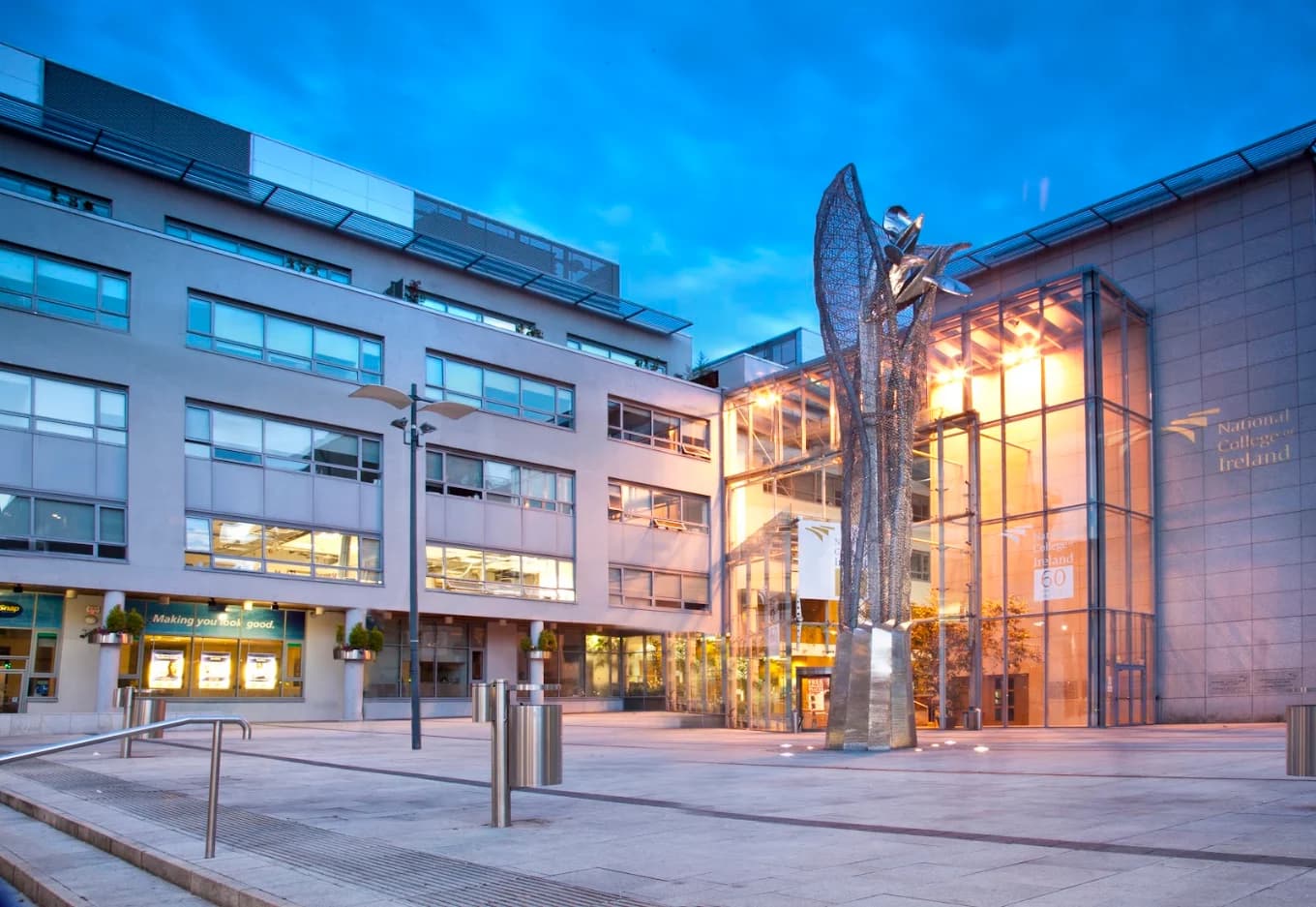
National College of Ireland
Dublin, Ireland
Private not-for-profit

University of Limerick
Limerick, Ireland
Public
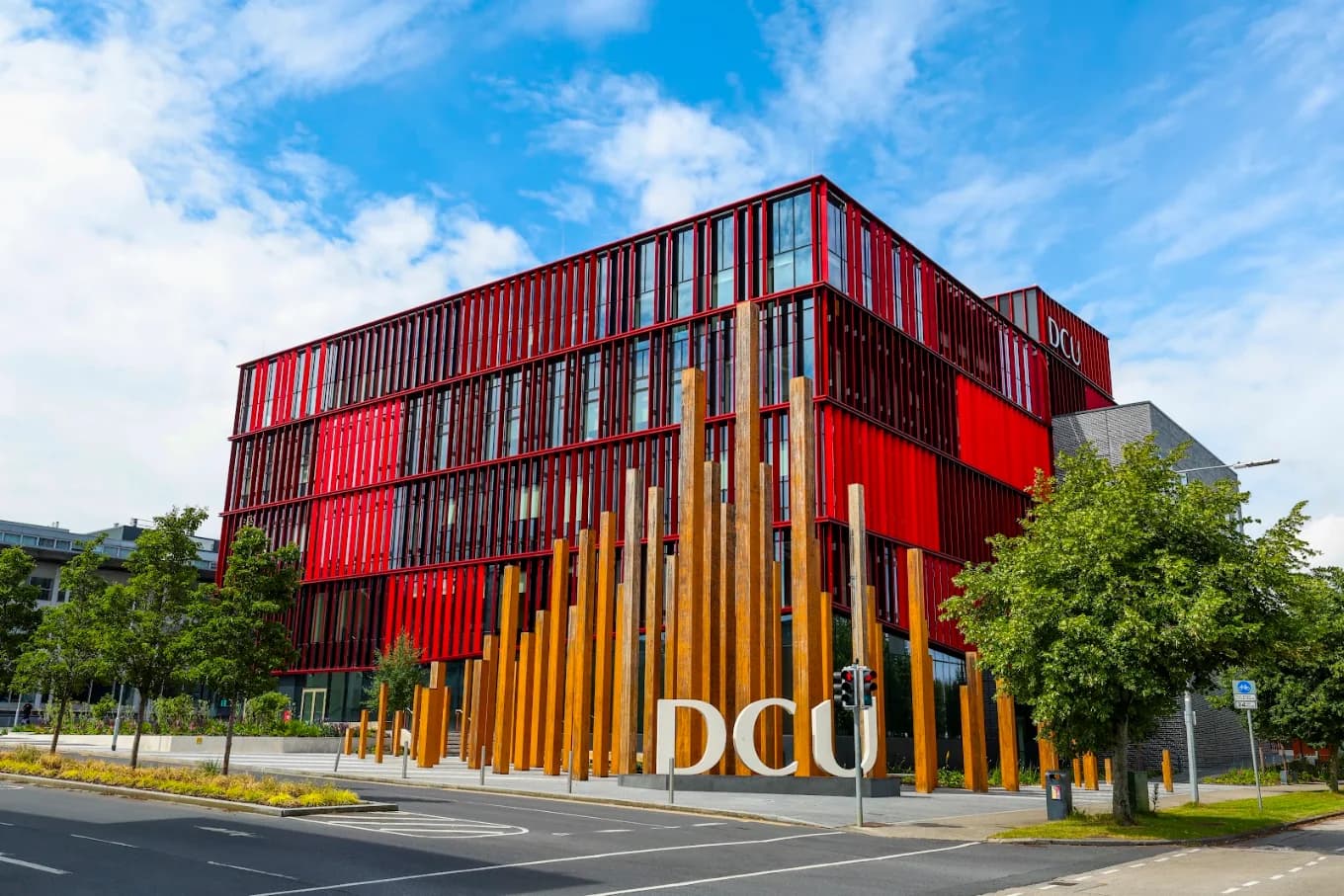
Dublin City University
Dublin, Ireland
Public research
Frequently asked questions
Working on a project at Dublin Business School?
Share your topic, your program's guidelines and your deadline on WhatsApp, and we'll help from there.
We are not affiliated with, endorsed by, or acting on behalf of Dublin Business School.
Last reviewed: 2026-09-01