
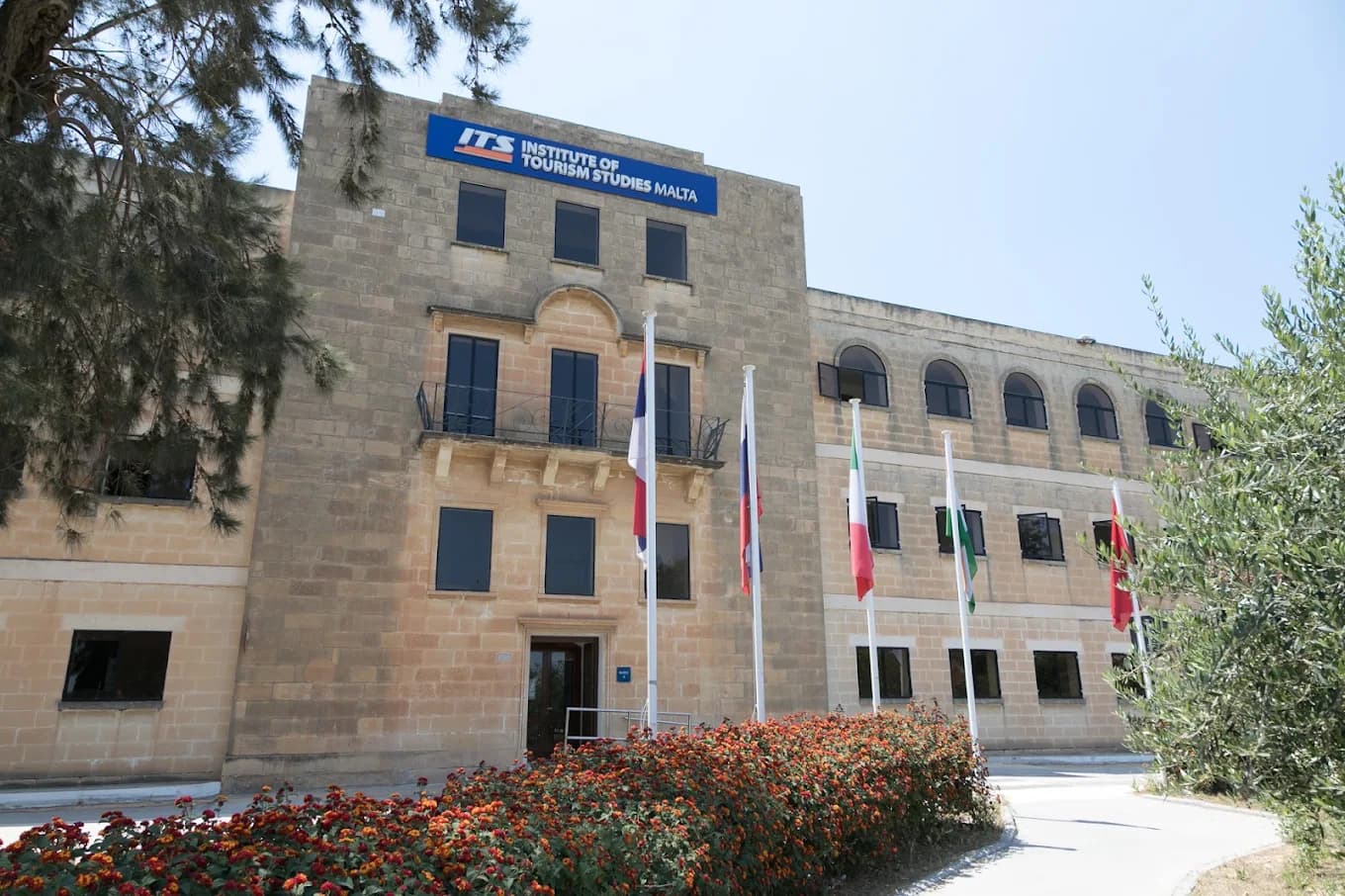
Institute of Tourism Studies
Hospitality, culinary, tourism
How a thesis is typically structured
Thinking about thesis structure from the examiner's side of the table changes what each section is for. At the defense or viva stage, reviewers at technical and engineering-focused institutions are typically checking that the introduction actually sets up a question the rest of the document answers, that the literature review earns the methodology that follows it, and that the results and discussion stay in their own lanes — findings first, interpretation second. The conclusion gets checked against the introduction almost line by line: does it answer what was actually asked? The remaining parts — title page, abstract, acknowledgements, table of contents, references and appendices — matter for a different reason: they're what makes the document usable and verifiable by someone who wasn't in the room while it was written.
Citation and referencing norms
Reference managers like Zotero, Mendeley or EndNote are widely used to keep citation formatting consistent across a long document, especially once a thesis runs to several dozen sources across multiple chapters written weeks apart. They reduce repetitive formatting work, but they don't replace understanding the target style — auto-generated citations still need a final manual check, particularly for edge cases like sources with no listed author, multiple editions, or online-only material.
Whichever style your program requires, the underlying discipline — APA, IEEE, Harvard, Vancouver or another — is usually the more reliable clue than the country a university is based in.
General thesis-writing tips
A few patterns account for a disproportionate amount of lost thesis time: rereading sources because citation details weren't captured the first time, rewriting an introduction repeatedly before the research it introduces is actually finished, and trying to fix grammar and structure in the same editing pass.
The fix for each is roughly the same idea — capture details once, in the right order: log full citations as you read; draft the introduction properly only after the analysis and discussion are largely settled, since it needs to describe the thesis you actually wrote; and revise structure and evidence before you touch sentence-level wording, since a paragraph that gets cut doesn't need its grammar fixed first.
How we support students at this institution
Because Institute of Tourism Studies sets its own requirements — and only Institute of Tourism Studies can tell you what those are — our role is to work carefully within whatever you provide. In practice, that means asking for your program handbook, formatting guide or citation requirements up front, and building your draft around those documents plus any direction your supervisor has already given, which is a workable approach across technical and engineering-focused institutions generally, not something specific to any one school.
What affects thesis complexity at this level
Two theses of the same page count can involve very different amounts of work depending on the program behind them. A quantitative, data-heavy study usually needs more time in the methodology and results chapters — cleaning data, justifying an analytical method, checking assumptions. A more applied or case-study-based project instead needs depth in framing and interpretation: choosing the right case, gathering qualitative evidence, and building a defensible argument from it rather than a dataset.
Given the kinds of programs typically studied here — Hospitality, culinary, tourism — it's worth identifying early which end of that spectrum your own thesis is closer to, since it changes where your time is best spent.
Formatting and submission norms
Formatting mistakes are rarely about not knowing formatting exists — they're usually about applying last semester's template, a friend's program's rules, or a generic online example instead of the current, program-specific version. Requirements can change between academic years, and can differ even between two programs in the same faculty.
The safest habit is a direct one: download the current formatting guide from your own program before your final formatting pass, and check margins, spacing, pagination, heading styles and submission format (electronic, printed, or both) against that document specifically — not against general norms, including the ones described on this page.
Explore related universities
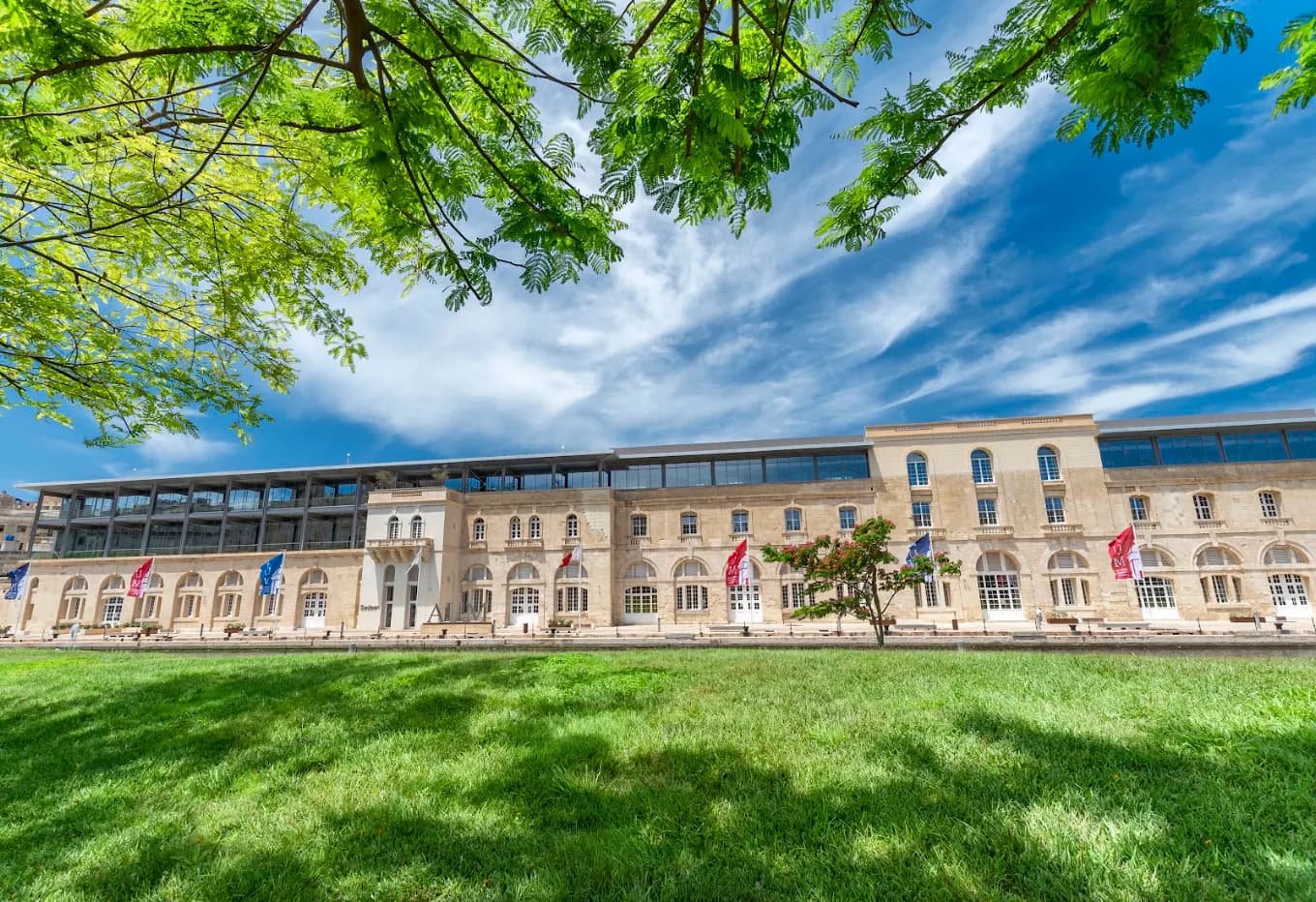
American University of Malta
Cospicua, Malta
Private
IDEA College
Sliema, Malta
Private college
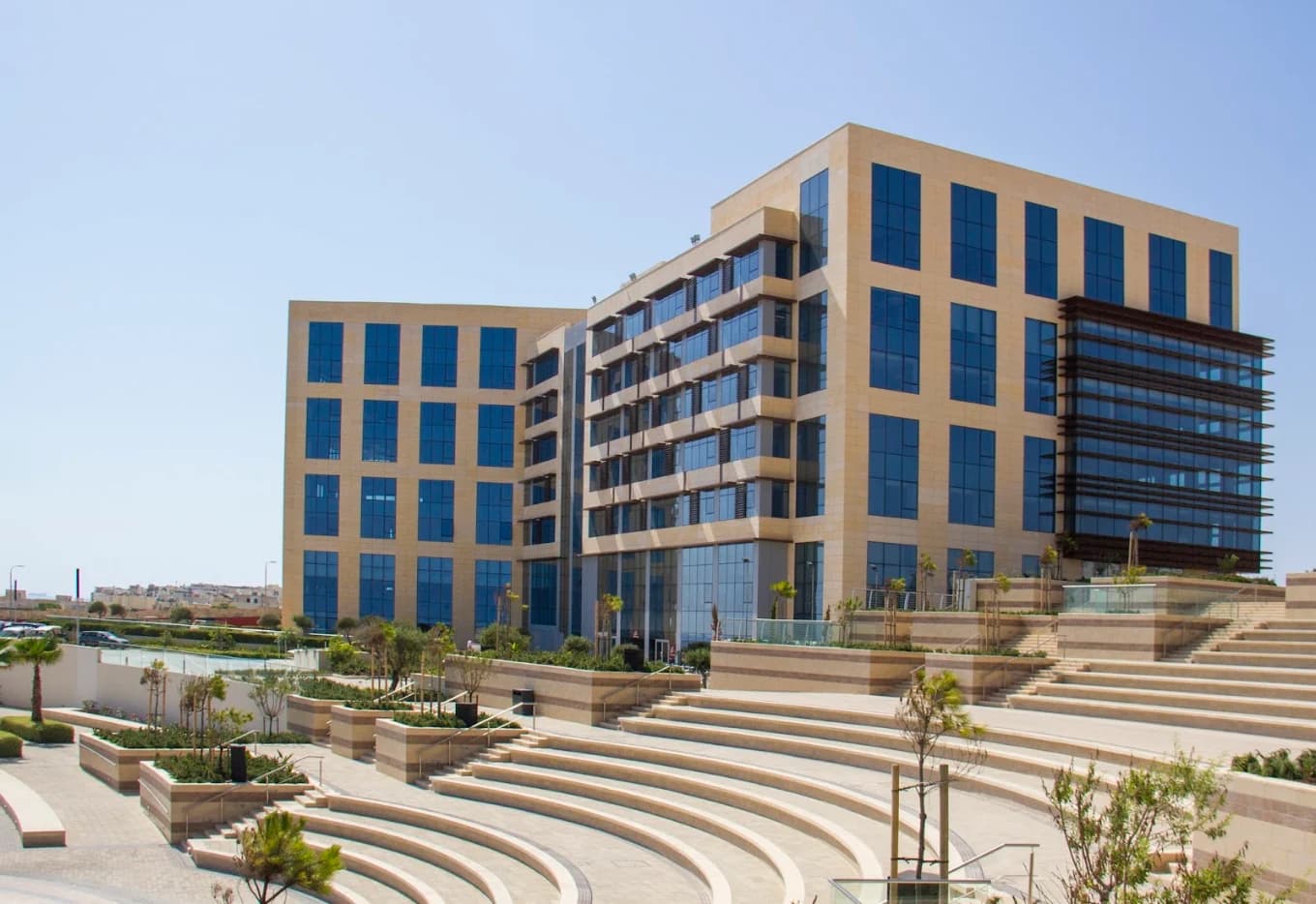
Global College Malta
Smart City Kalkara, Malta
Private college
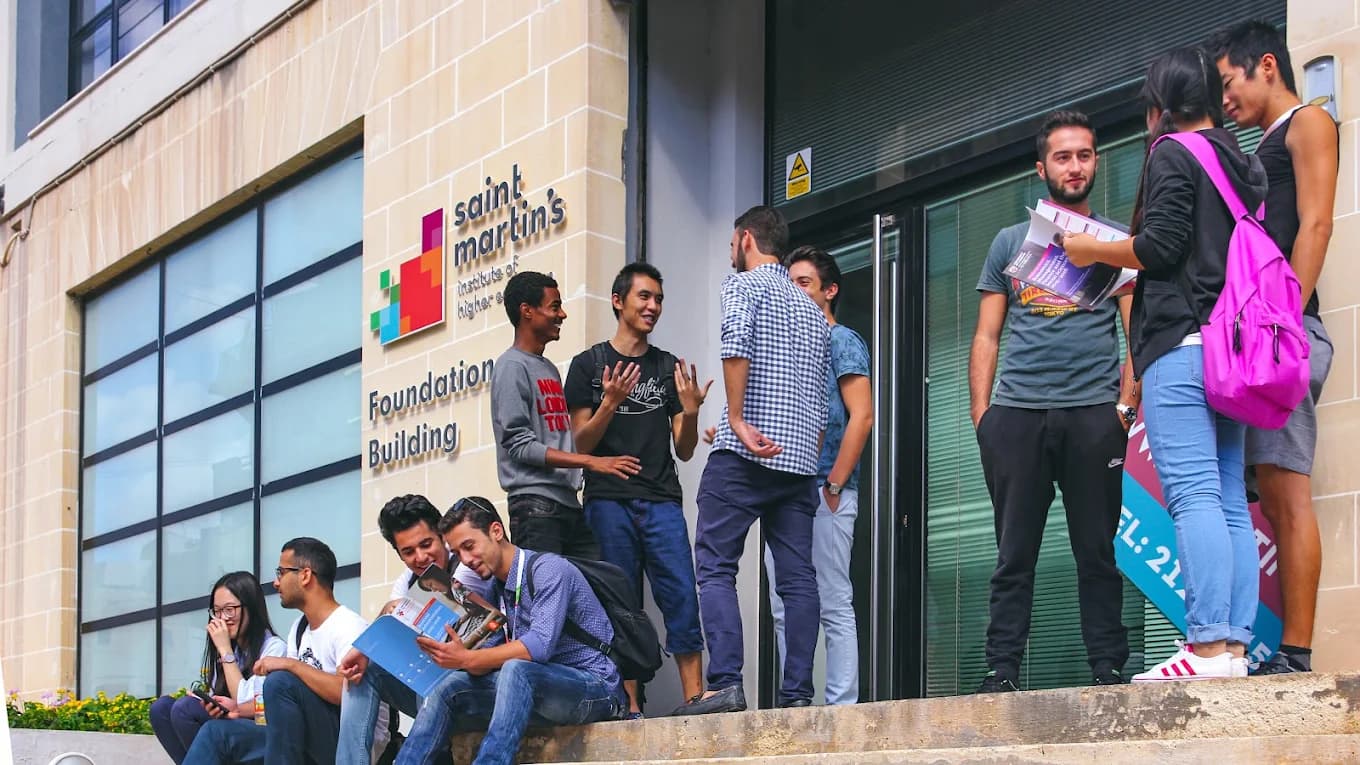
St Martin's Institute of Higher Education
Hamrun, Malta
Private
Learnkey Institute of Training
Mosta, Malta
Private college
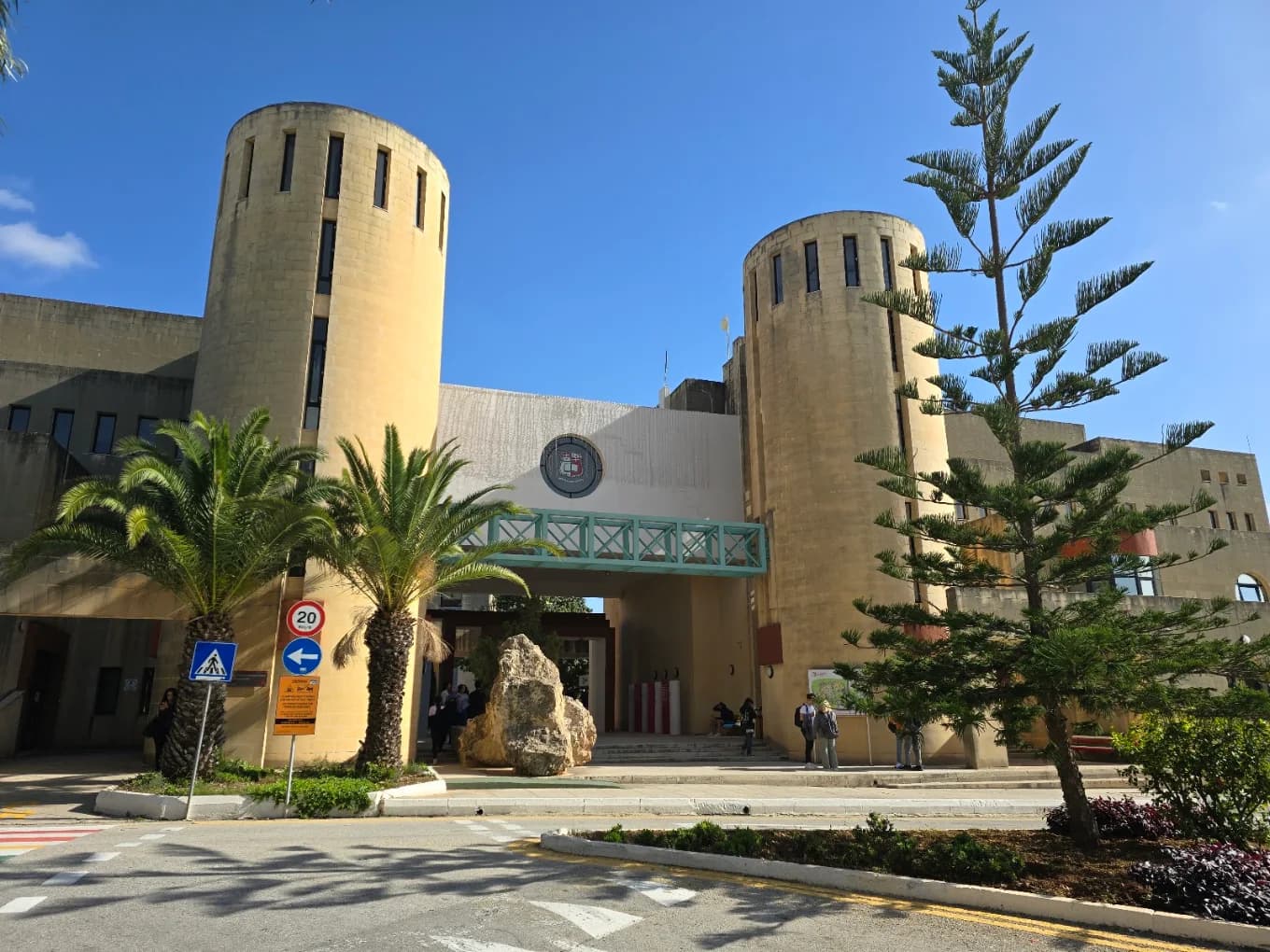
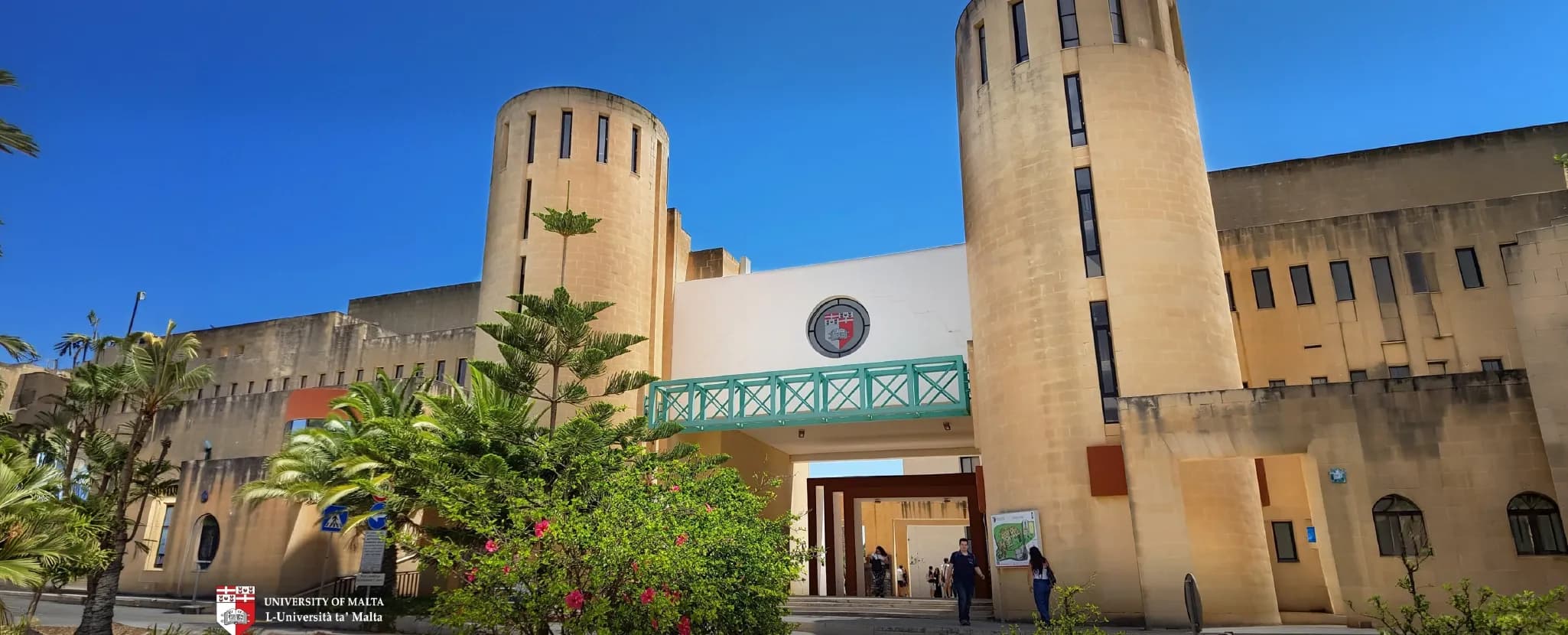
University of Malta
Msida, Malta
Public
Frequently asked questions
Working on a project at Institute of Tourism Studies?
Share your topic, your program's guidelines and your deadline on WhatsApp, and we'll help from there.
We are not affiliated with, endorsed by, or acting on behalf of Institute of Tourism Studies.
Last reviewed: 2026-09-01