
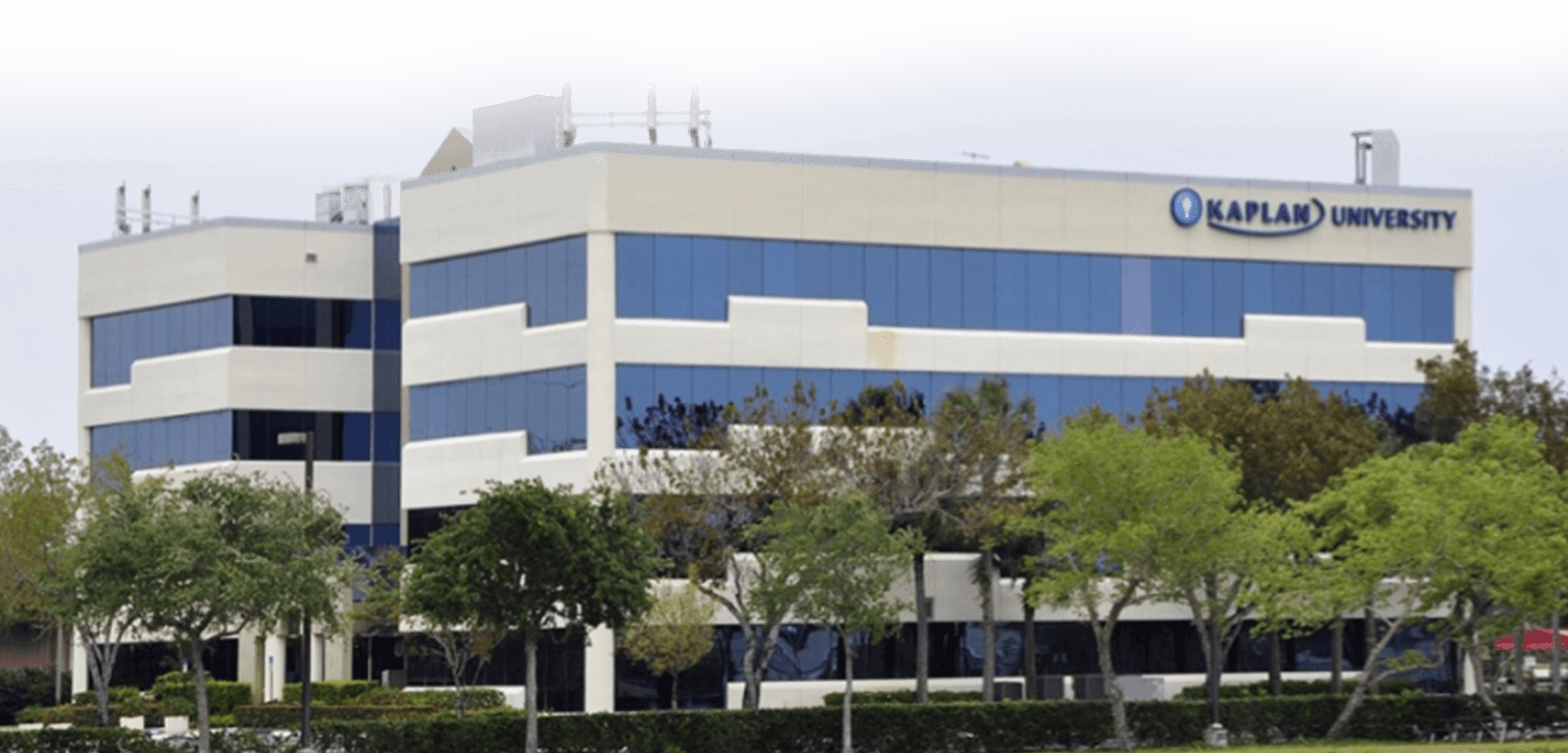
Kaplan Higher Education Academy
Business, hospitality, IT with partner degrees
How a thesis is typically structured
It helps to think of the standard thesis structure less as a checklist and more as a chain of argument, where each chapter has to earn the next. The introduction states a question worth answering; the literature review shows that question hasn't already been answered, which is what justifies the methodology chapter's choices about how to answer it. Results then report what was actually found — deliberately kept separate from the discussion, which is where those findings get interpreted and connected back to the literature. The conclusion closes the loop by returning to the original question with an answer the reader can trace, step by step, all the way back to the introduction. Reviewers at private institutions are usually testing whether that chain holds, not just whether the twelve expected sections are present.
Citation and referencing norms
Reference managers like Zotero, Mendeley or EndNote are widely used to keep citation formatting consistent across a long document, especially once a thesis runs to several dozen sources across multiple chapters written weeks apart. They reduce repetitive formatting work, but they don't replace understanding the target style — auto-generated citations still need a final manual check, particularly for edge cases like sources with no listed author, multiple editions, or online-only material.
APA and Harvard referencing are both common, with IEEE frequently used in engineering and computing programs.
General thesis-writing tips
Treating a thesis less like a single long essay and more like a managed project tends to produce steadier progress. That means keeping a source log with full citation details from the first day of reading (not after), writing analytical or methodology chapters close to when the underlying decisions were made, and separating revision into distinct passes — first for argument and structure, then for evidence and analysis, and only then for sentence-level clarity and proofreading.
None of this replaces the actual thinking a thesis requires, but it removes a lot of the friction that turns a manageable project into a rushed one.
How we support students at this institution
Because Kaplan Higher Education Academy sets its own requirements — and only Kaplan Higher Education Academy can tell you what those are — our role is to work carefully within whatever you provide. In practice, that means asking for your program handbook, formatting guide or citation requirements up front, and building your draft around those documents plus any direction your supervisor has already given, which is a workable approach across private institutions generally, not something specific to any one school.
What affects thesis complexity at this level
Two theses of the same page count can involve very different amounts of work depending on the program behind them. A quantitative, data-heavy study usually needs more time in the methodology and results chapters — cleaning data, justifying an analytical method, checking assumptions. A more applied or case-study-based project instead needs depth in framing and interpretation: choosing the right case, gathering qualitative evidence, and building a defensible argument from it rather than a dataset.
Given the kinds of programs typically studied here — Business, hospitality, IT with partner degrees — it's worth identifying early which end of that spectrum your own thesis is closer to, since it changes where your time is best spent.
Formatting and submission norms
It's worth treating formatting as its own checklist, separate from the writing itself: margin size, spacing, font and size, page numbering style (and where numbering starts), heading levels, table and figure numbering, and the required file format for submission (PDF is common, but not universal) can all be specified by a program and easy to miss until late in the process.
Submission method is a similar case — electronic-only submission, printed and bound copies, or both, is decided by the institution or program, not by general convention, so it's worth confirming before you're near a deadline rather than after.
Explore related universities
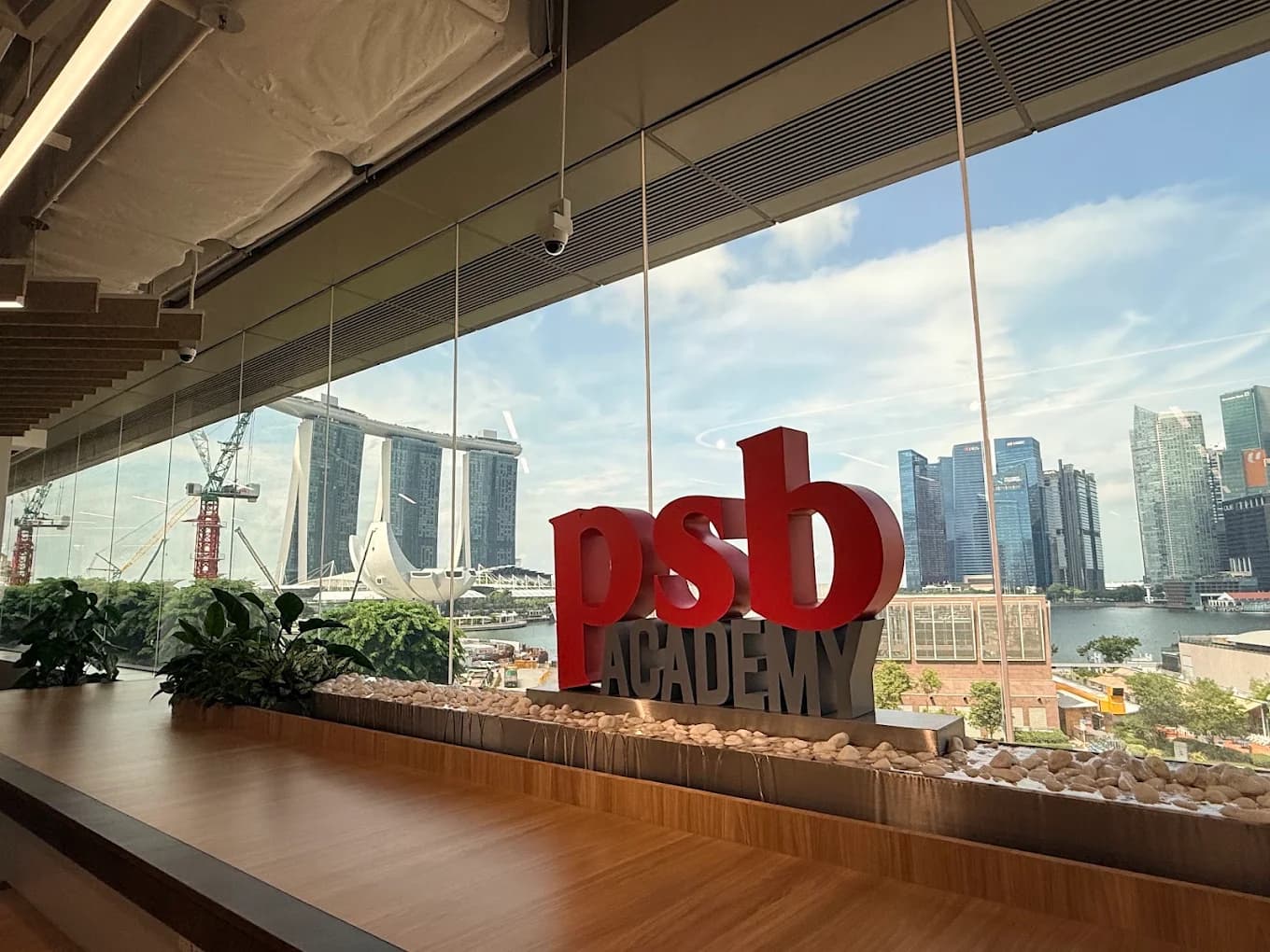
PSB Academy
Singapore, Singapore
Private
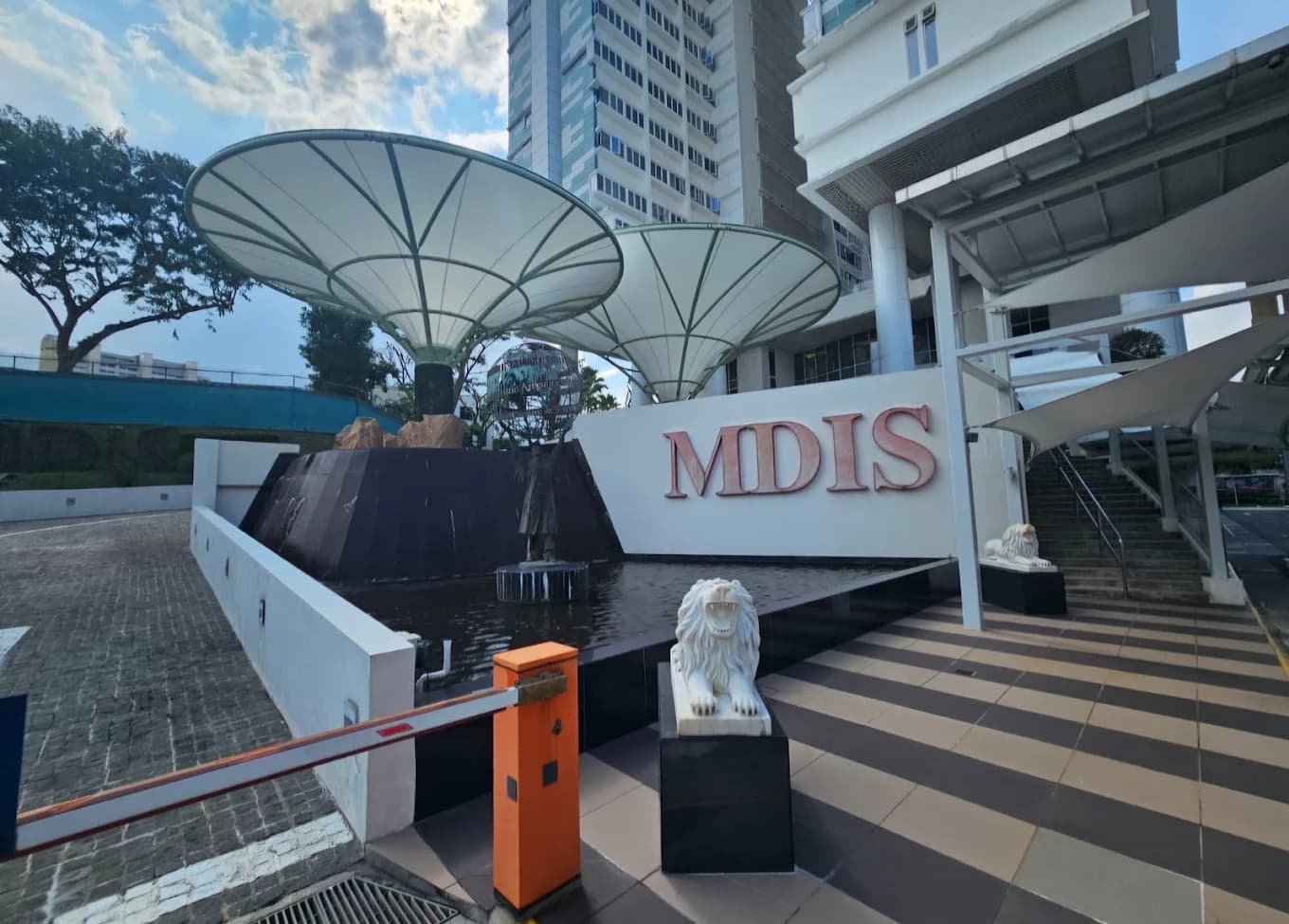
Management Development Institute of Singapore (MDIS)
Singapore, Singapore
Private
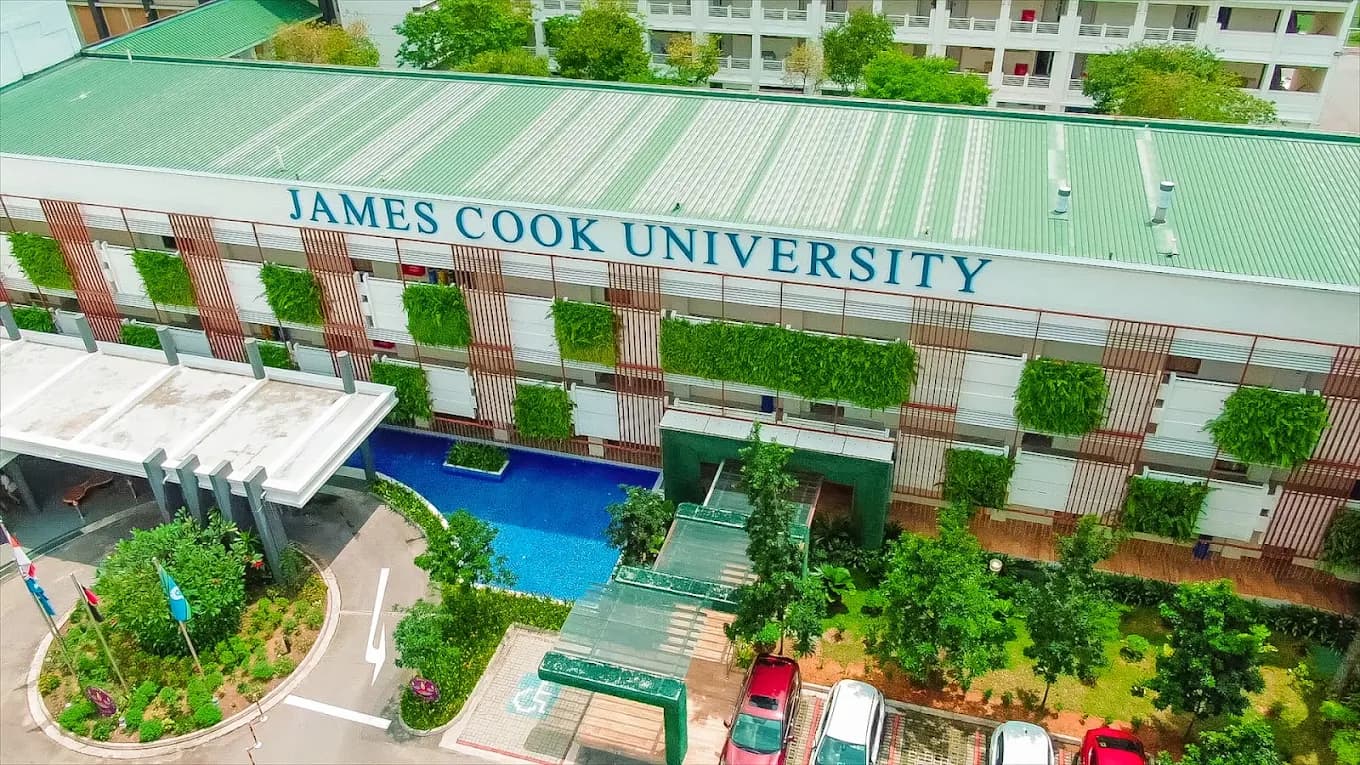
James Cook University Singapore
Singapore, Singapore
Foreign branch campus
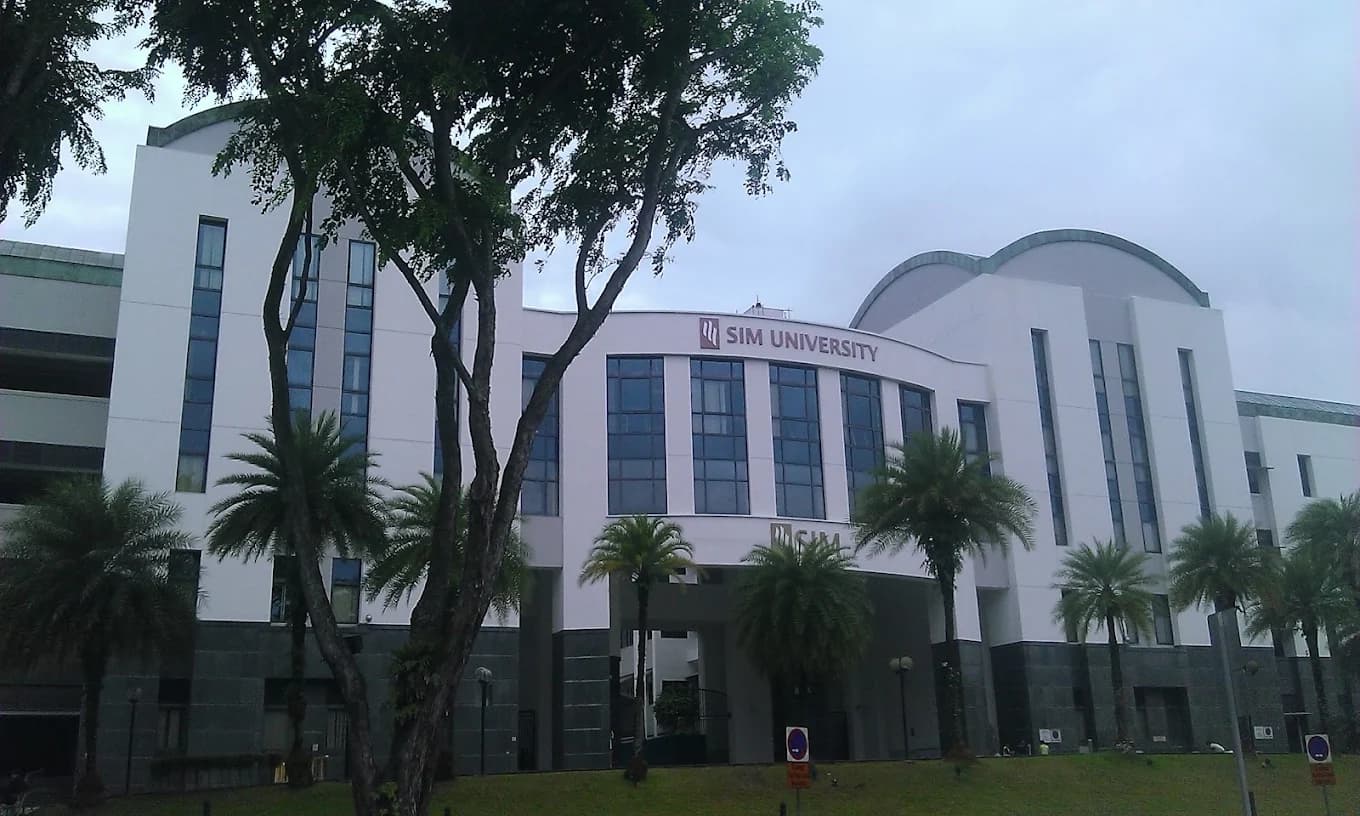
Singapore Institute of Management (SIM)
Singapore, Singapore
Private
National University of Singapore
Singapore, Singapore
Public research
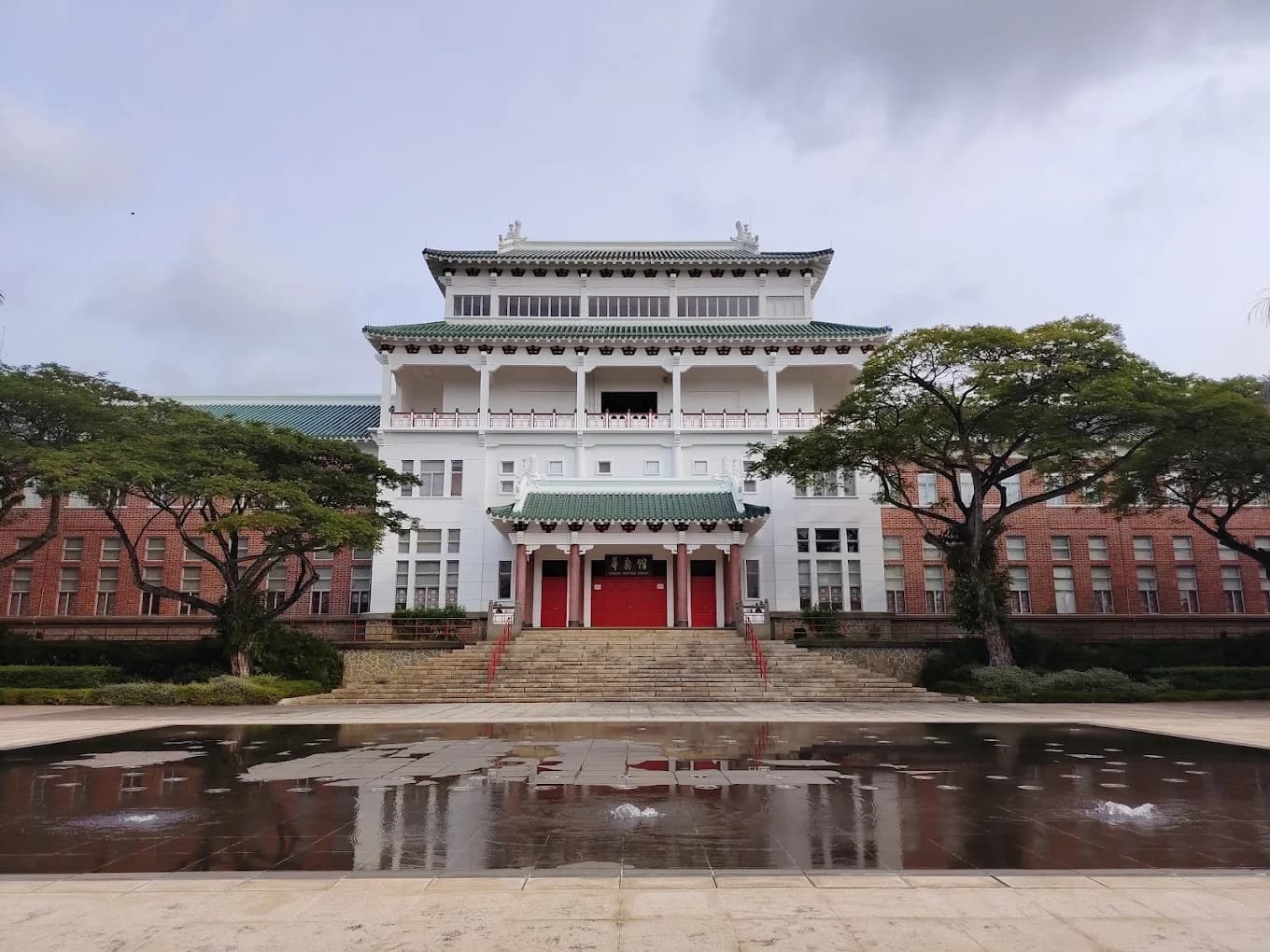
Nanyang Technological University
Singapore, Singapore
Public research
Frequently asked questions
Working on a project at Kaplan Higher Education Academy?
Share your topic, your program's guidelines and your deadline on WhatsApp, and we'll help from there.
We are not affiliated with, endorsed by, or acting on behalf of Kaplan Higher Education Academy.
Last reviewed: 2026-09-01