
Kazan Federal University
MBBS in English medium, engineering

How a thesis is typically structured
Thinking about thesis structure from the examiner's side of the table changes what each section is for. At the defense or viva stage, reviewers at public institutions are typically checking that the introduction actually sets up a question the rest of the document answers, that the literature review earns the methodology that follows it, and that the results and discussion stay in their own lanes — findings first, interpretation second. The conclusion gets checked against the introduction almost line by line: does it answer what was actually asked? The remaining parts — title page, abstract, acknowledgements, table of contents, references and appendices — matter for a different reason: they're what makes the document usable and verifiable by someone who wasn't in the room while it was written.
Citation and referencing norms
Reference managers like Zotero, Mendeley or EndNote are widely used to keep citation formatting consistent across a long document, especially once a thesis runs to several dozen sources across multiple chapters written weeks apart. They reduce repetitive formatting work, but they don't replace understanding the target style — auto-generated citations still need a final manual check, particularly for edge cases like sources with no listed author, multiple editions, or online-only material.
Whichever style your program requires, the underlying discipline — APA, IEEE, Harvard, Vancouver or another — is usually the more reliable clue than the country a university is based in.
General thesis-writing tips
A handful of habits tend to separate a manageable thesis project from a stressful one, regardless of subject or program:
- •Start early — even a rough outline weeks before you have to, beats a blank page the week you don't
- •Keep a running reference list from the first source you read, not a pile to sort out later
- •Write the methodology chapter while the decisions are still fresh, rather than reconstructing them from memory months later
- •Draft results and discussion as separate passes — report what you found first, interpret it second
- •Revise in structural passes before line-level passes — fix what each chapter argues before you polish how it's worded
How we support students at this institution
Because Kazan Federal University sets its own requirements — and only Kazan Federal University can tell you what those are — our role is to work carefully within whatever you provide. In practice, that means asking for your program handbook, formatting guide or citation requirements up front, and building your draft around those documents plus any direction your supervisor has already given, which is a workable approach across public institutions generally, not something specific to any one school.
What affects thesis complexity at this level
MBBS in English medium, engineering is a reasonable description of the kind of work students at this institution are commonly pursuing, and program type is one of the clearest predictors of what a thesis here will actually demand. Technical and STEM-leaning programs typically require more rigor in the methodology chapter — data collection procedures, analysis technique, validity — while business- or applied-field programs more often require rigor in framing: picking a case or context that's genuinely worth analyzing, and building an argument from it that goes beyond description.
Formatting and submission norms
Formatting mistakes are rarely about not knowing formatting exists — they're usually about applying last semester's template, a friend's program's rules, or a generic online example instead of the current, program-specific version. Requirements can change between academic years, and can differ even between two programs in the same faculty.
The safest habit is a direct one: download the current formatting guide from your own program before your final formatting pass, and check margins, spacing, pagination, heading styles and submission format (electronic, printed, or both) against that document specifically — not against general norms, including the ones described on this page.
Explore related universities
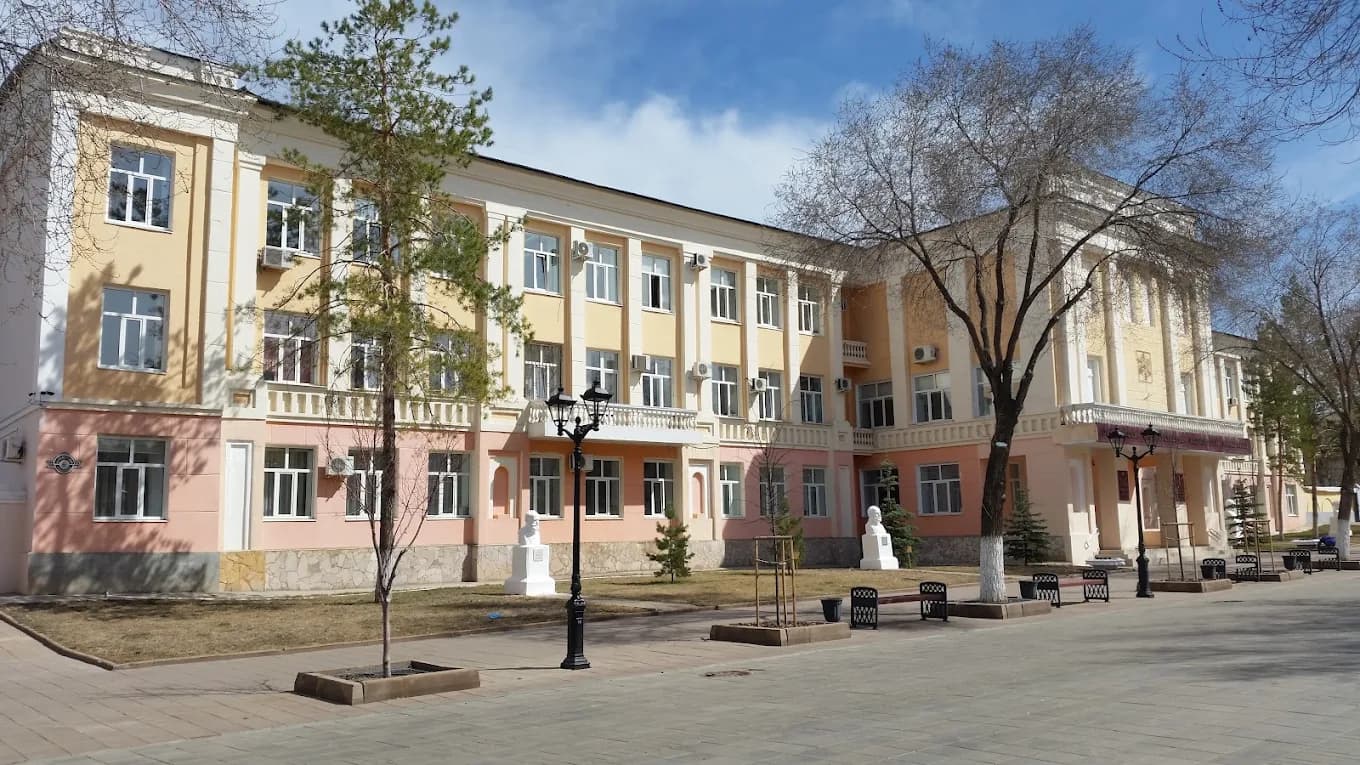
Orenburg State Medical University
Orenburg, Russia
Public medical
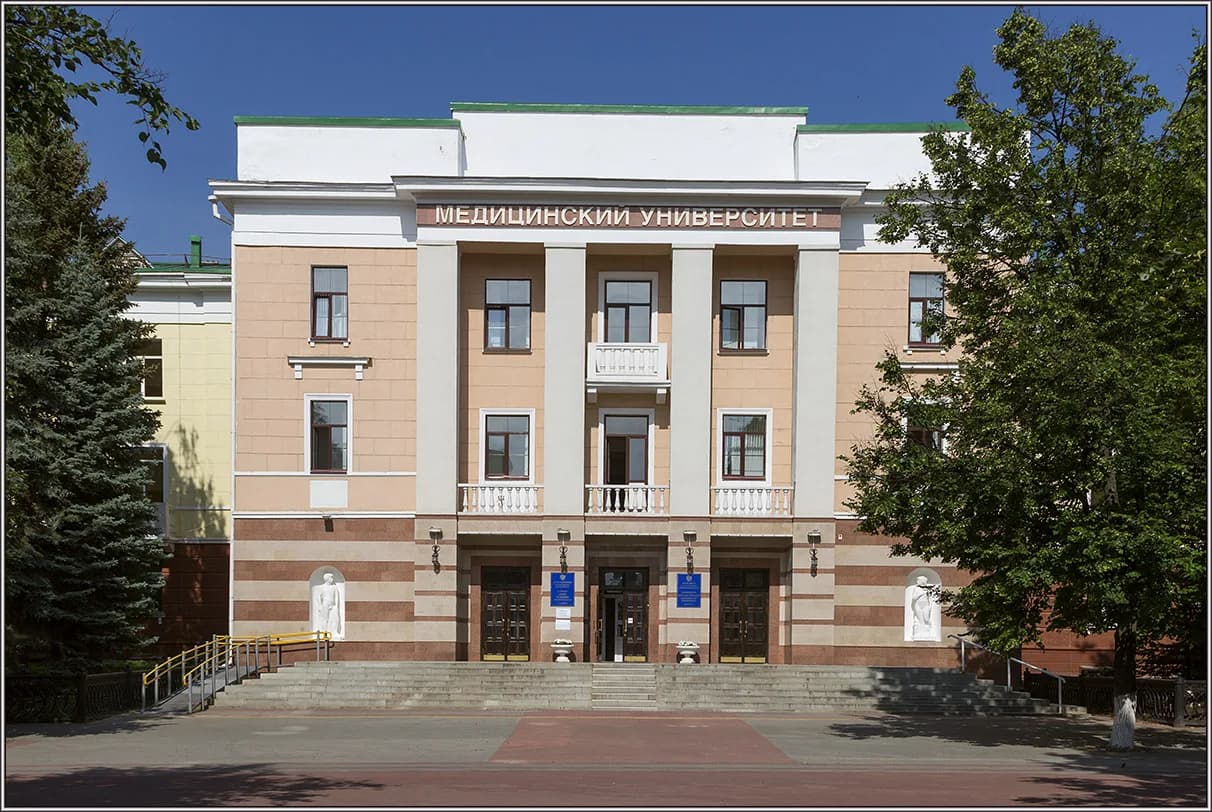
Bashkir State Medical University
Ufa, Russia
Public medical

Kursk State Medical University
Kursk, Russia
Public medical
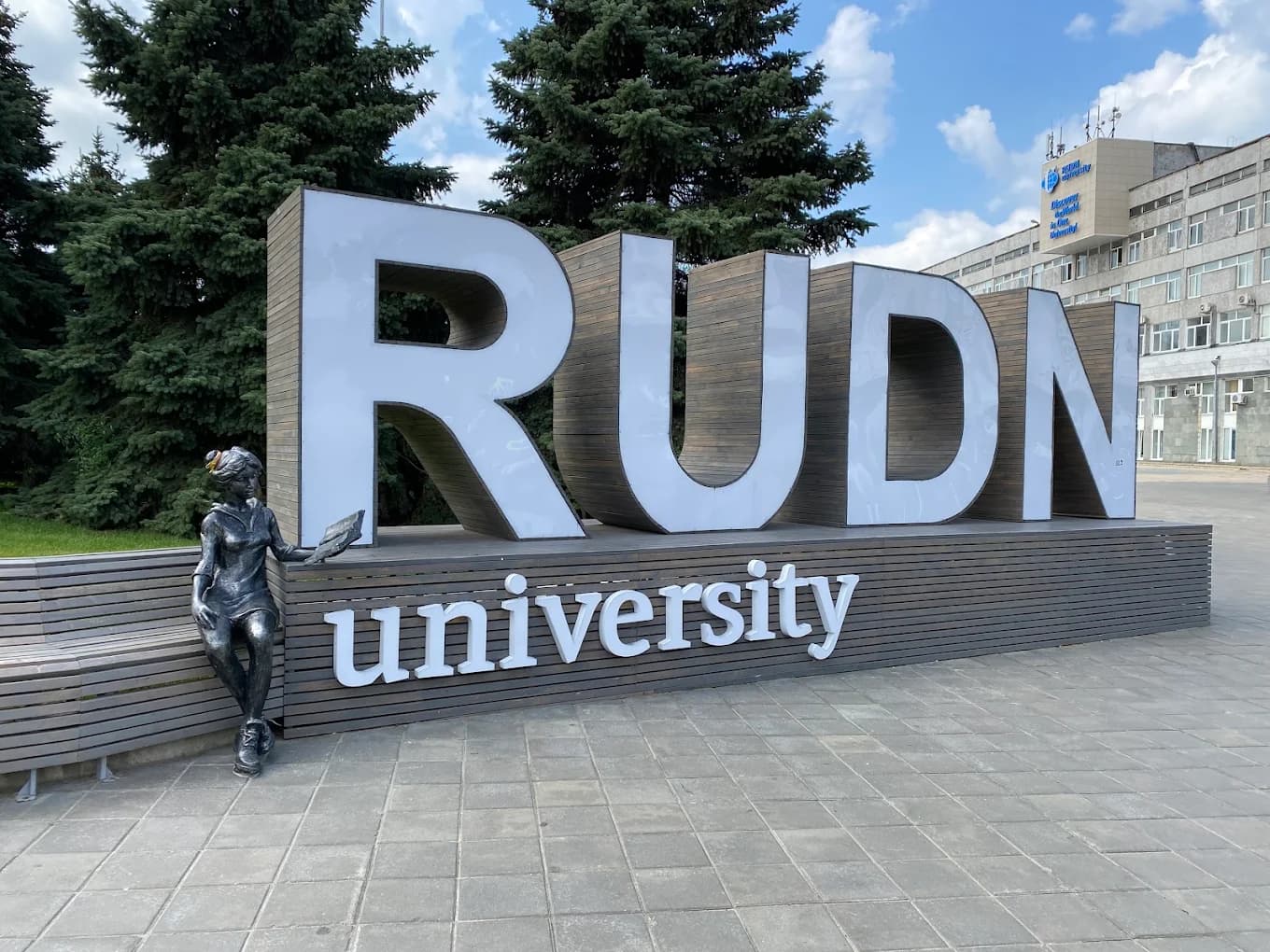
RUDN University
Moscow, Russia
Public research

Volgograd State Medical University
Volgograd, Russia
Public medical
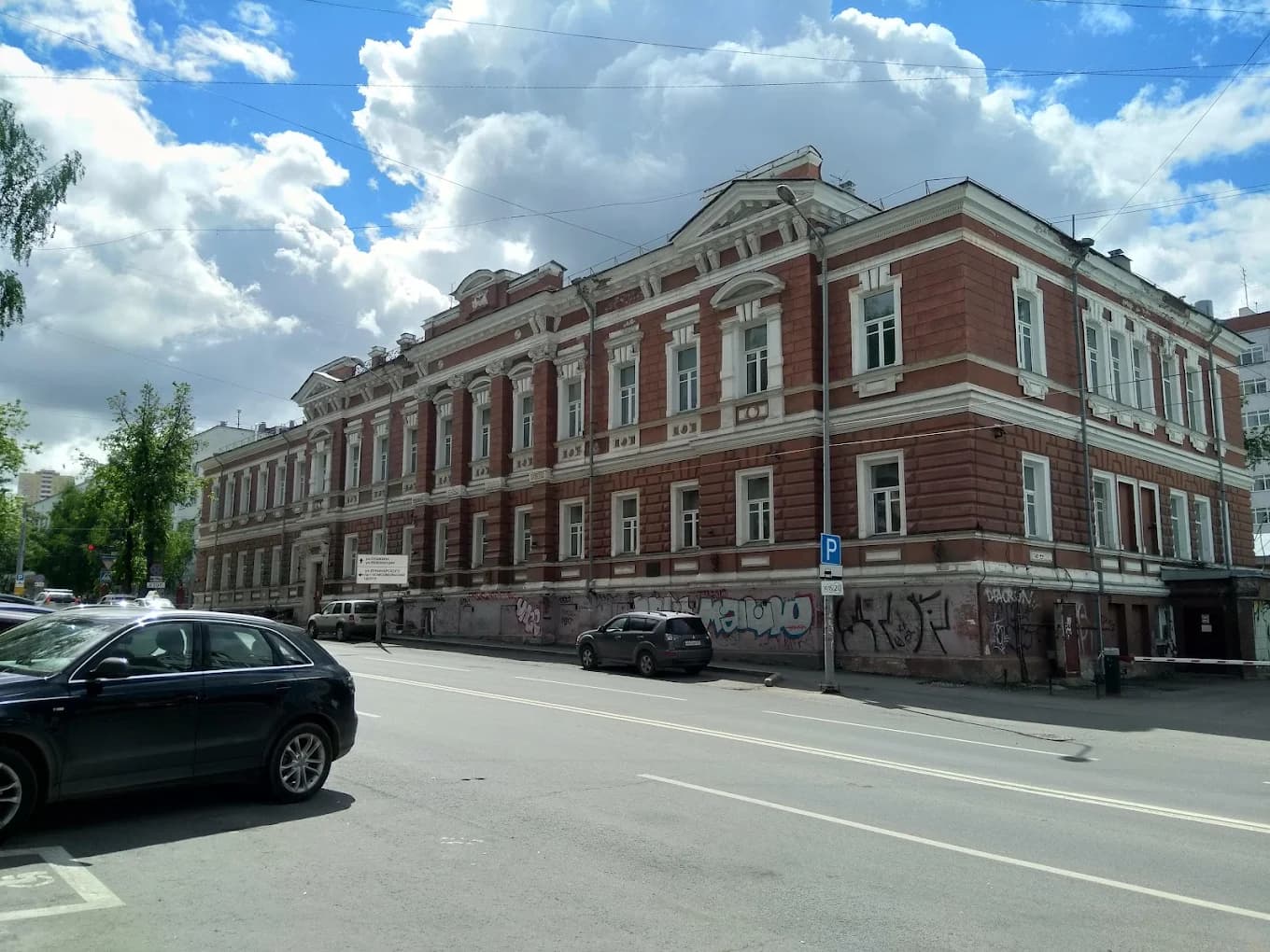
Perm State Medical University
Perm, Russia
Public medical
Frequently asked questions
Working on a project at Kazan Federal University?
Share your topic, your program's guidelines and your deadline on WhatsApp, and we'll help from there.
We are not affiliated with, endorsed by, or acting on behalf of Kazan Federal University.
Last reviewed: 2026-09-01