
Konkuk University
Business, life sciences
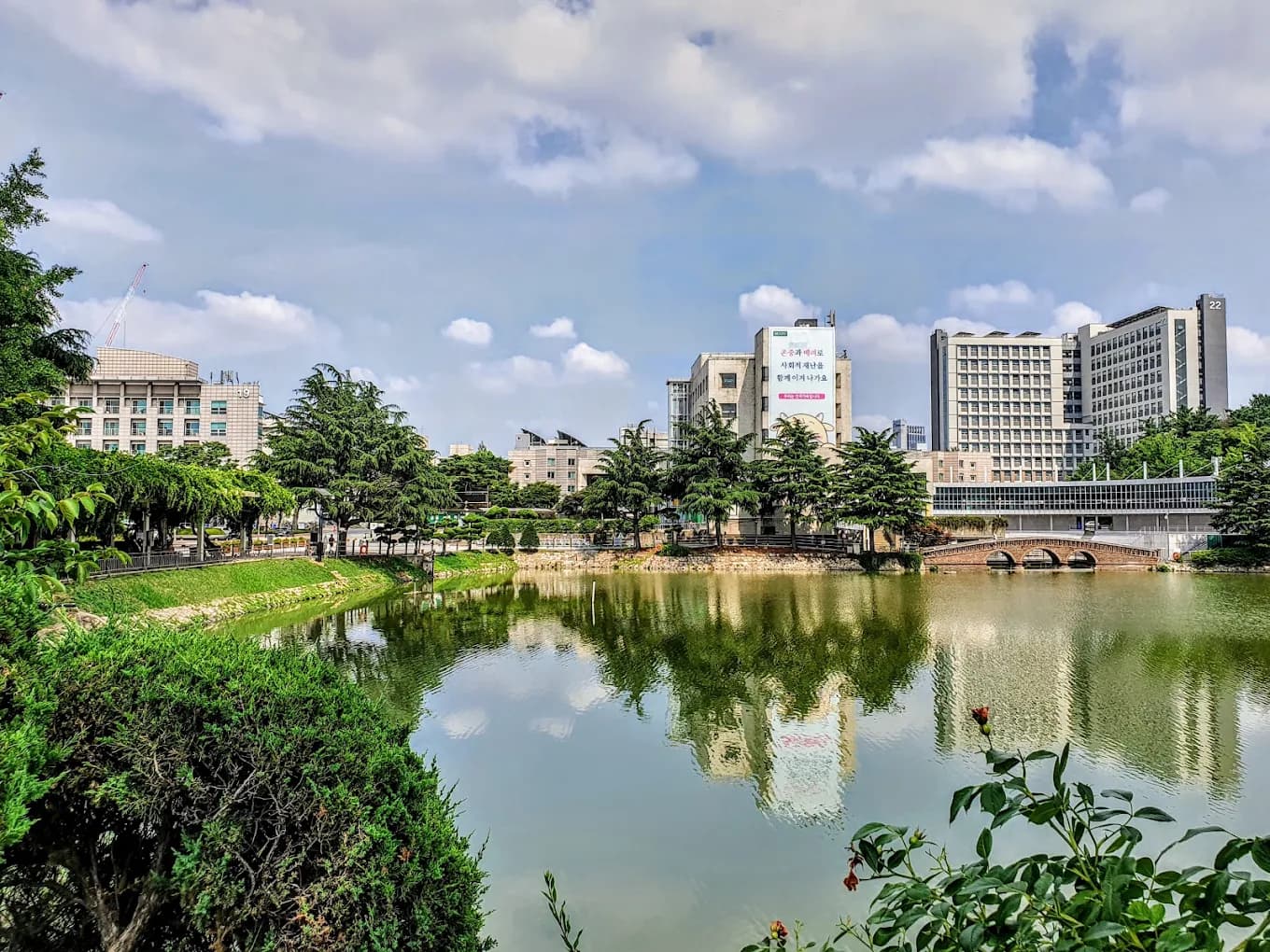
How a thesis is typically structured
Thinking about thesis structure from the examiner's side of the table changes what each section is for. At the defense or viva stage, reviewers at private institutions are typically checking that the introduction actually sets up a question the rest of the document answers, that the literature review earns the methodology that follows it, and that the results and discussion stay in their own lanes — findings first, interpretation second. The conclusion gets checked against the introduction almost line by line: does it answer what was actually asked? The remaining parts — title page, abstract, acknowledgements, table of contents, references and appendices — matter for a different reason: they're what makes the document usable and verifiable by someone who wasn't in the room while it was written.
Citation and referencing norms
In practice, the citation style for a thesis is rarely something a student picks freely — it's usually set by the program, sometimes by the specific department, and occasionally left to the student within a short approved list. The most reliable way to find out is the simplest one: check the formatting section of your program handbook, or ask your supervisor directly if it isn't written down anywhere.
Once a style is confirmed, the more common failure point isn't picking the wrong one — it's inconsistency: mixing author-date and numbered citations, or applying a style correctly in the text but not in the reference list (or the other way around).
General thesis-writing tips
Treating a thesis less like a single long essay and more like a managed project tends to produce steadier progress. That means keeping a source log with full citation details from the first day of reading (not after), writing analytical or methodology chapters close to when the underlying decisions were made, and separating revision into distinct passes — first for argument and structure, then for evidence and analysis, and only then for sentence-level clarity and proofreading.
None of this replaces the actual thinking a thesis requires, but it removes a lot of the friction that turns a manageable project into a rushed one.
How we support students at this institution
We don't claim inside knowledge of Konkuk University's specific requirements — no outside service reasonably can, and any that claims otherwise should be treated with caution. What we do is work from what you actually have: your program's own handbook or formatting guidelines, and whatever feedback your supervisor has already given you. Students at private institutions generally have those two things available, and once you share them with us, we build the work around your program's stated requirements rather than a generic template.
What affects thesis complexity at this level
Program type has a real effect on what a thesis at this level typically involves. Based on the programs Konkuk University is generally known for — Business, life sciences — students here are likely working within one of a few common shapes: technical and data-heavy programs usually push methodology and results chapters toward statistical or computational analysis, while applied or professional programs (business, management, public-facing fields) more often lean on case-study framing, stakeholder analysis or applied recommendations instead of raw data collection.
Either way, the general principle holds: methodology should match what the research question actually needs, not what looks most impressive on paper.
Formatting and submission norms
Formatting mistakes are rarely about not knowing formatting exists — they're usually about applying last semester's template, a friend's program's rules, or a generic online example instead of the current, program-specific version. Requirements can change between academic years, and can differ even between two programs in the same faculty.
The safest habit is a direct one: download the current formatting guide from your own program before your final formatting pass, and check margins, spacing, pagination, heading styles and submission format (electronic, printed, or both) against that document specifically — not against general norms, including the ones described on this page.
Explore related universities
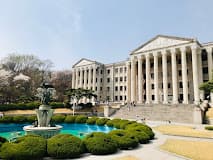
Kyung Hee University
Seoul / Yongin, South Korea
Private research

Woosong University
Daejeon, South Korea
Private

Pusan National University
Busan, South Korea
National
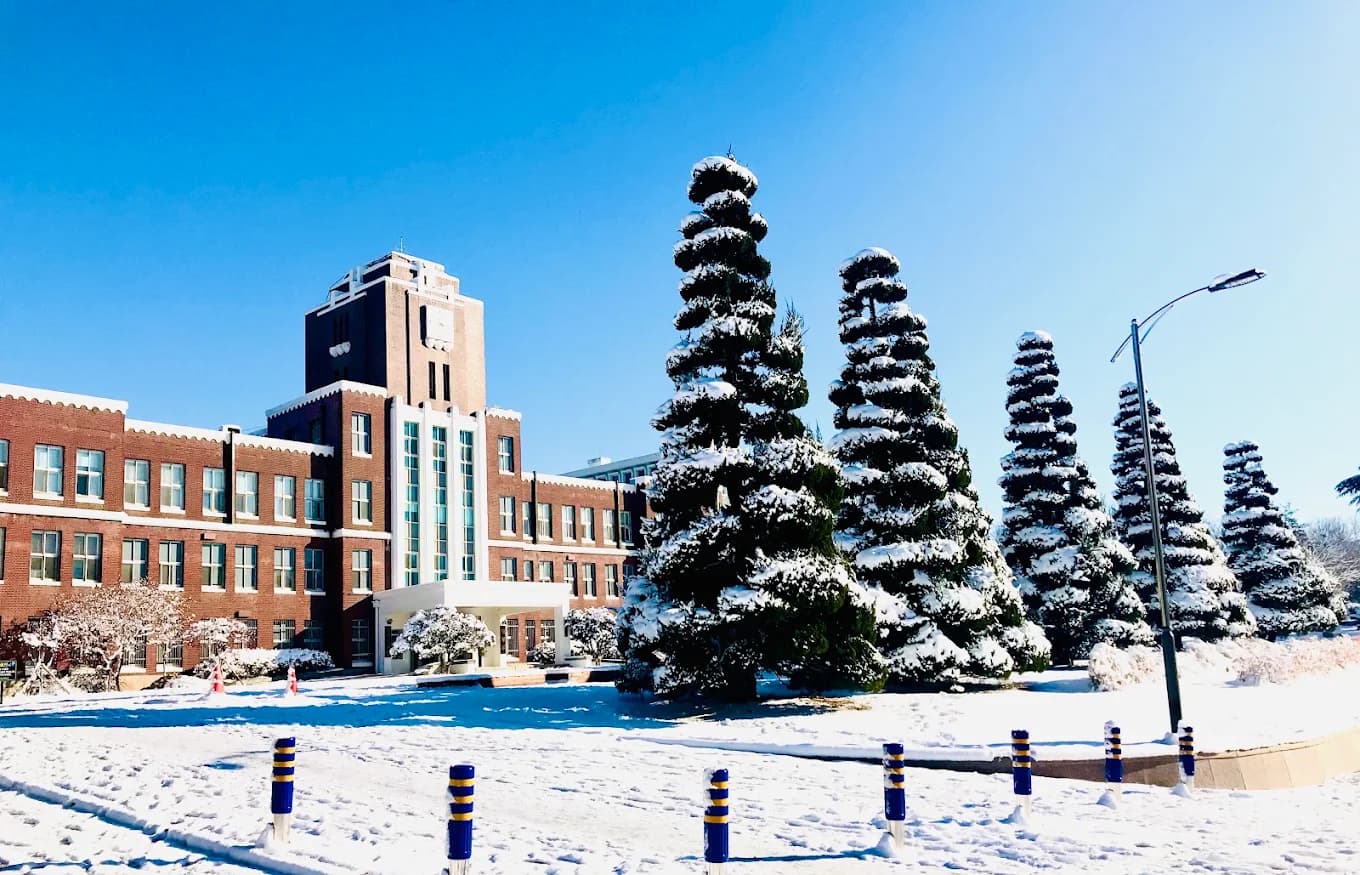
Chonnam National University
Gwangju, South Korea
National
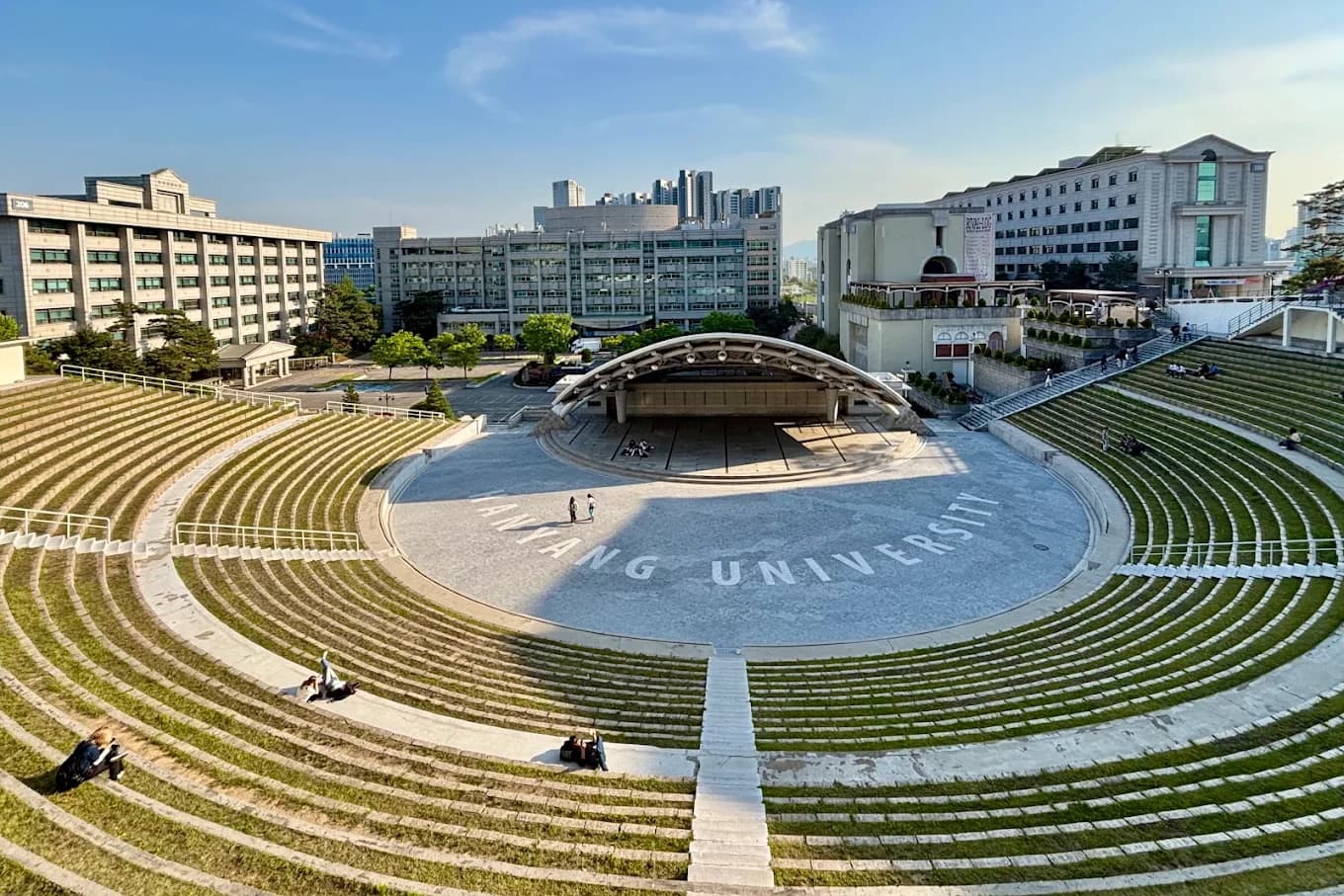
Hanyang University
Seoul / Ansan, South Korea
Private research
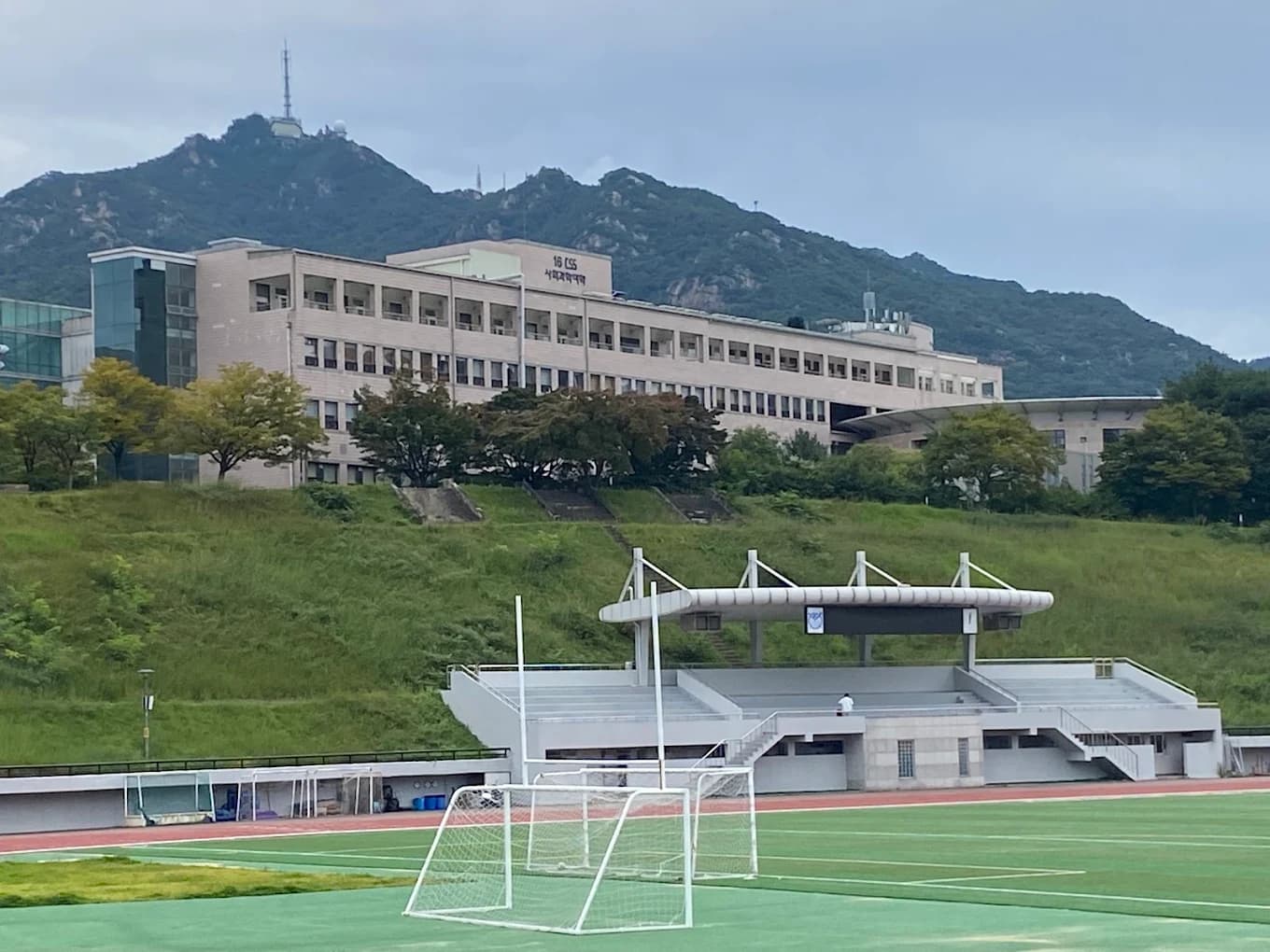
Seoul National University
Seoul, South Korea
National research
Frequently asked questions
Working on a project at Konkuk University?
Share your topic, your program's guidelines and your deadline on WhatsApp, and we'll help from there.
We are not affiliated with, endorsed by, or acting on behalf of Konkuk University.
Last reviewed: 2026-09-01