
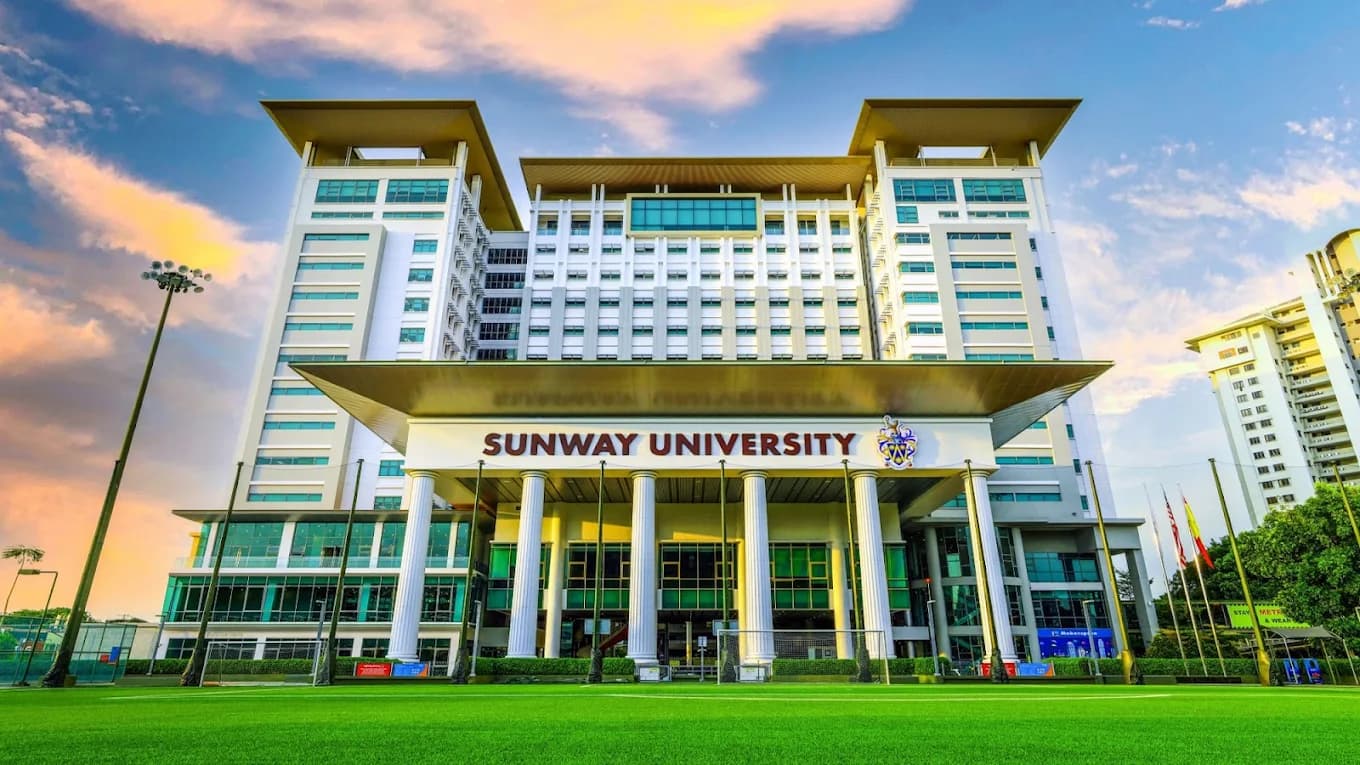
Sunway University
Business, actuarial science, hospitality
How a thesis is typically structured
It helps to think of the standard thesis structure less as a checklist and more as a chain of argument, where each chapter has to earn the next. The introduction states a question worth answering; the literature review shows that question hasn't already been answered, which is what justifies the methodology chapter's choices about how to answer it. Results then report what was actually found — deliberately kept separate from the discussion, which is where those findings get interpreted and connected back to the literature. The conclusion closes the loop by returning to the original question with an answer the reader can trace, step by step, all the way back to the introduction. Reviewers at private institutions are usually testing whether that chain holds, not just whether the twelve expected sections are present.
Citation and referencing norms
In practice, the citation style for a thesis is rarely something a student picks freely — it's usually set by the program, sometimes by the specific department, and occasionally left to the student within a short approved list. The most reliable way to find out is the simplest one: check the formatting section of your program handbook, or ask your supervisor directly if it isn't written down anywhere.
Once a style is confirmed, the more common failure point isn't picking the wrong one — it's inconsistency: mixing author-date and numbered citations, or applying a style correctly in the text but not in the reference list (or the other way around).
General thesis-writing tips
Momentum matters more than any single writing technique. Working in short, regular sessions with a concrete, measurable goal — a specific subsection drafted, one table analyzed, three sources summarized — tends to produce more usable pages over a semester than waiting for a large uninterrupted block of time that rarely arrives on schedule.
It also helps to write the methodology chapter close to when those decisions were actually made, since the reasoning behind a sampling choice or an analysis method is far easier to explain while it's fresh than to reconstruct from old notes weeks later.
How we support students at this institution
We don't claim inside knowledge of Sunway University's specific requirements — no outside service reasonably can, and any that claims otherwise should be treated with caution. What we do is work from what you actually have: your program's own handbook or formatting guidelines, and whatever feedback your supervisor has already given you. Students at private institutions generally have those two things available, and once you share them with us, we build the work around your program's stated requirements rather than a generic template.
What affects thesis complexity at this level
Business, actuarial science, hospitality is a reasonable description of the kind of work students at this institution are commonly pursuing, and program type is one of the clearest predictors of what a thesis here will actually demand. Technical and STEM-leaning programs typically require more rigor in the methodology chapter — data collection procedures, analysis technique, validity — while business- or applied-field programs more often require rigor in framing: picking a case or context that's genuinely worth analyzing, and building an argument from it that goes beyond description.
Formatting and submission norms
It's worth treating formatting as its own checklist, separate from the writing itself: margin size, spacing, font and size, page numbering style (and where numbering starts), heading levels, table and figure numbering, and the required file format for submission (PDF is common, but not universal) can all be specified by a program and easy to miss until late in the process.
Submission method is a similar case — electronic-only submission, printed and bound copies, or both, is decided by the institution or program, not by general convention, so it's worth confirming before you're near a deadline rather than after.
Explore related universities
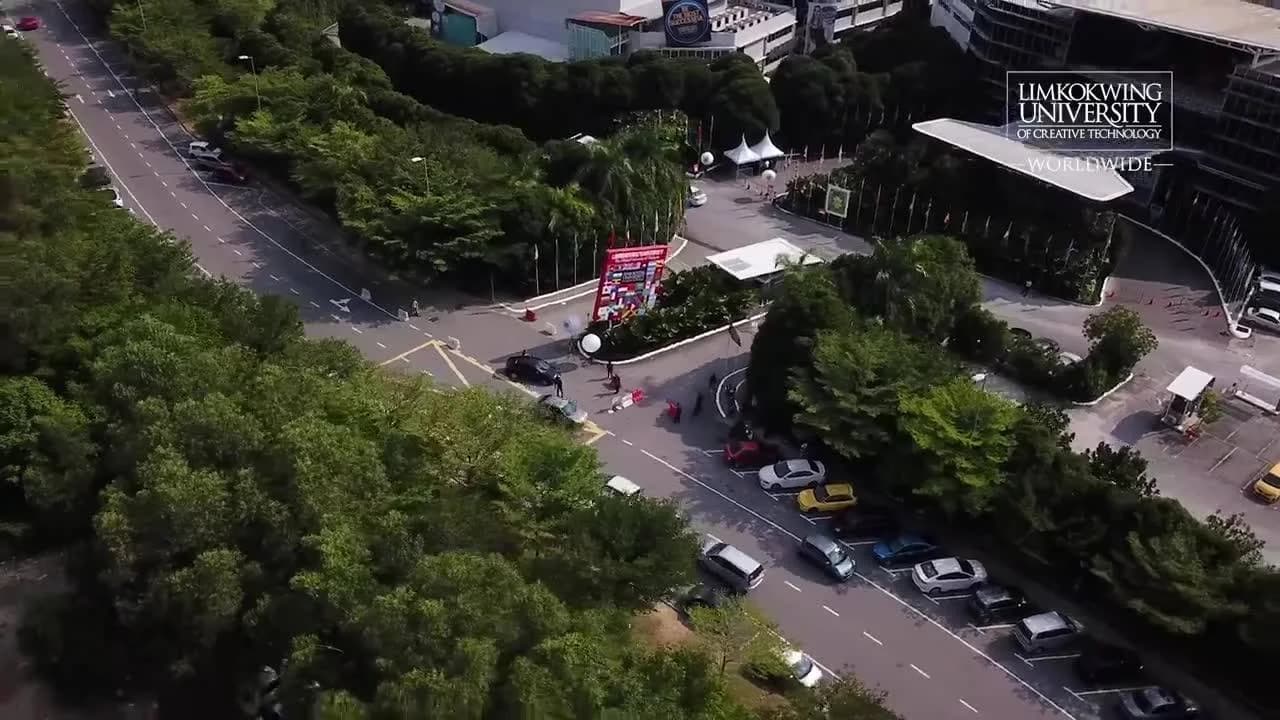
Limkokwing University of Creative Technology
Cyberjaya, Malaysia
Private
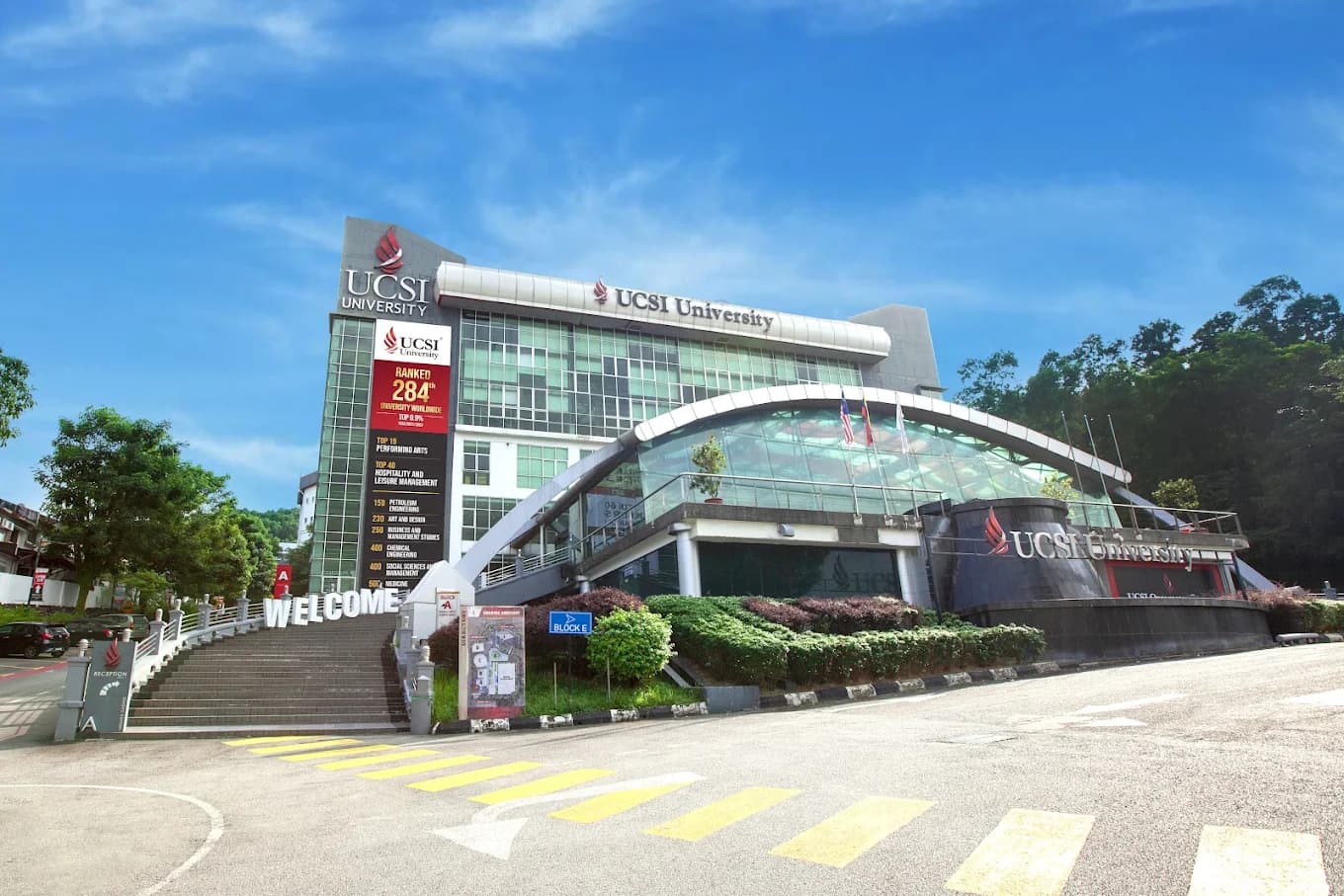
UCSI University
Kuala Lumpur, Malaysia
Private
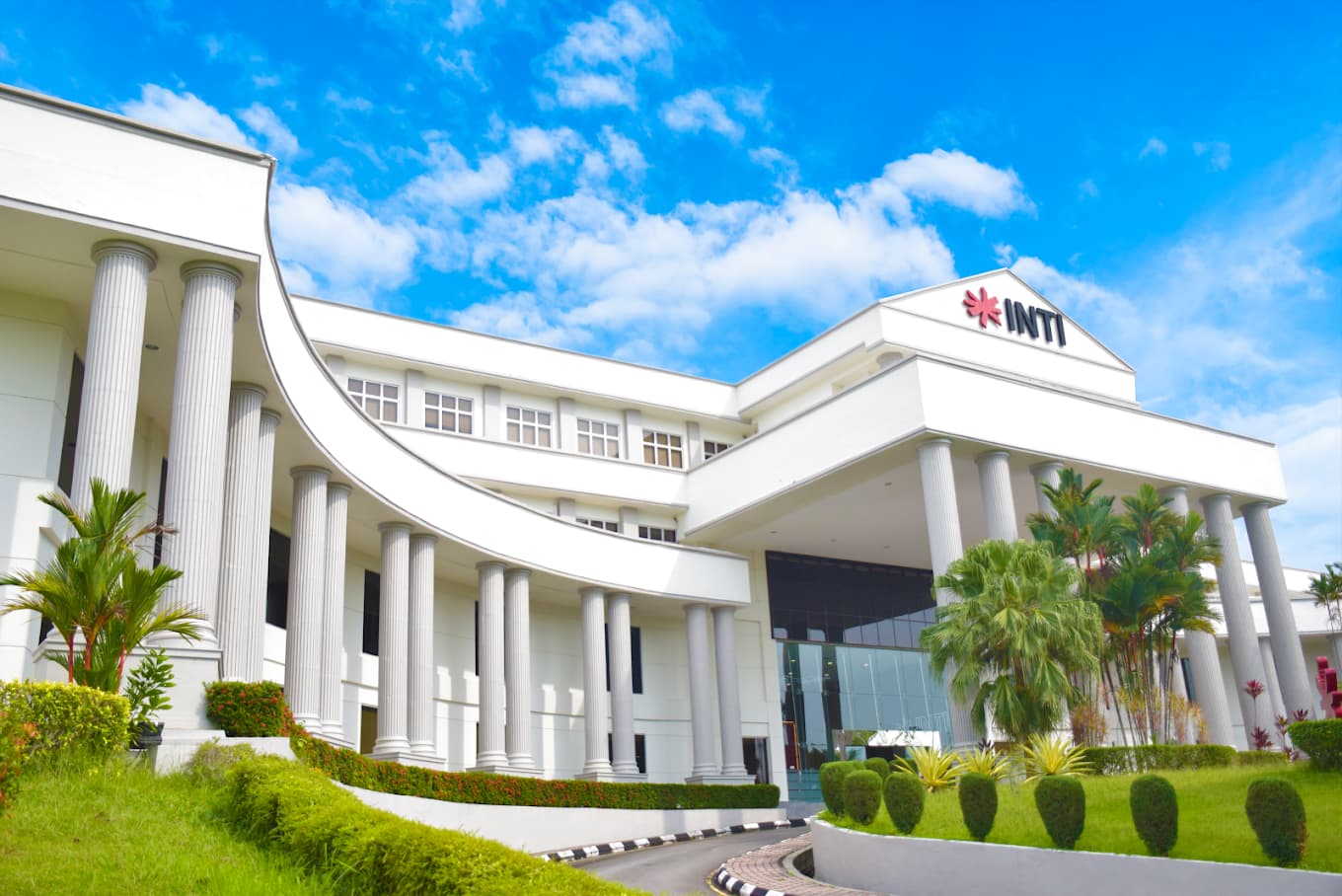
INTI International University
Nilai / Subang, Malaysia
Private
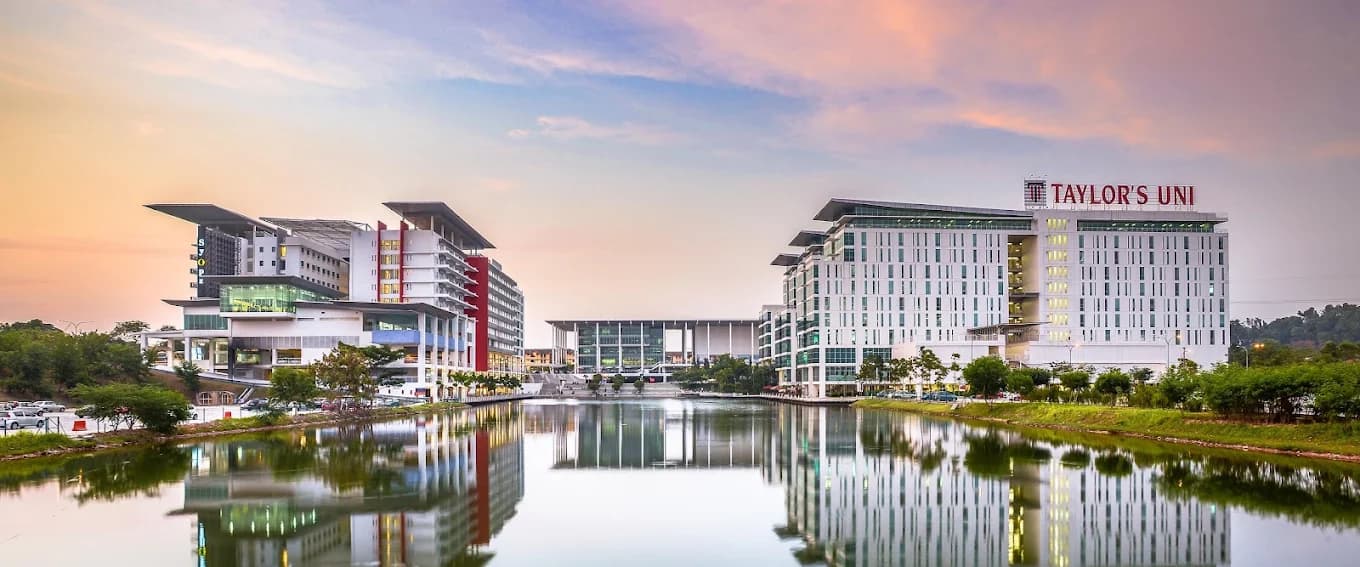
Taylor's University
Subang Jaya, Malaysia
Private
SEGi University
Kota Damansara, Malaysia
Private
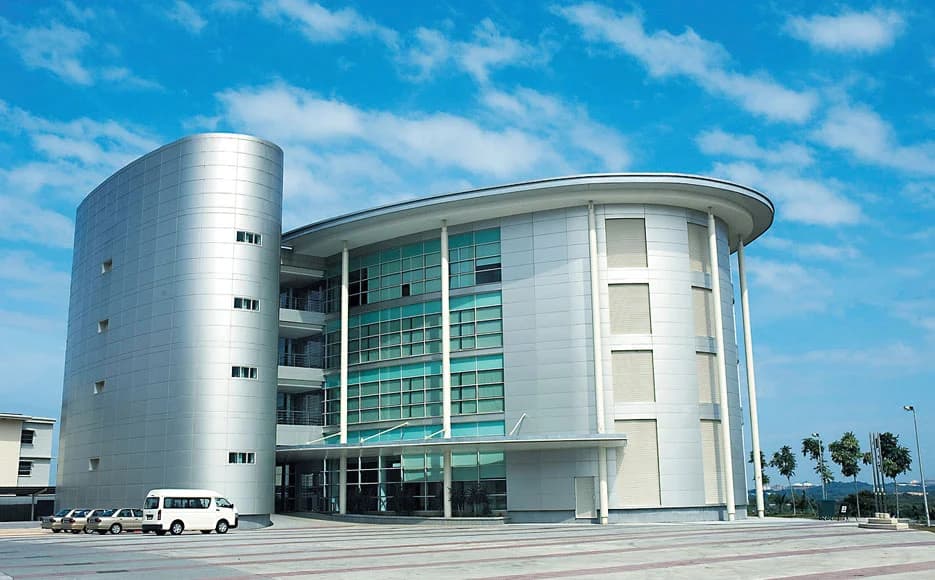
Multimedia University
Cyberjaya / Melaka, Malaysia
Private
Frequently asked questions
Working on a project at Sunway University?
Share your topic, your program's guidelines and your deadline on WhatsApp, and we'll help from there.
We are not affiliated with, endorsed by, or acting on behalf of Sunway University.
Last reviewed: 2026-09-01