
Universite Paris-Saclay
Science and engineering masters, Eiffel scholarship track
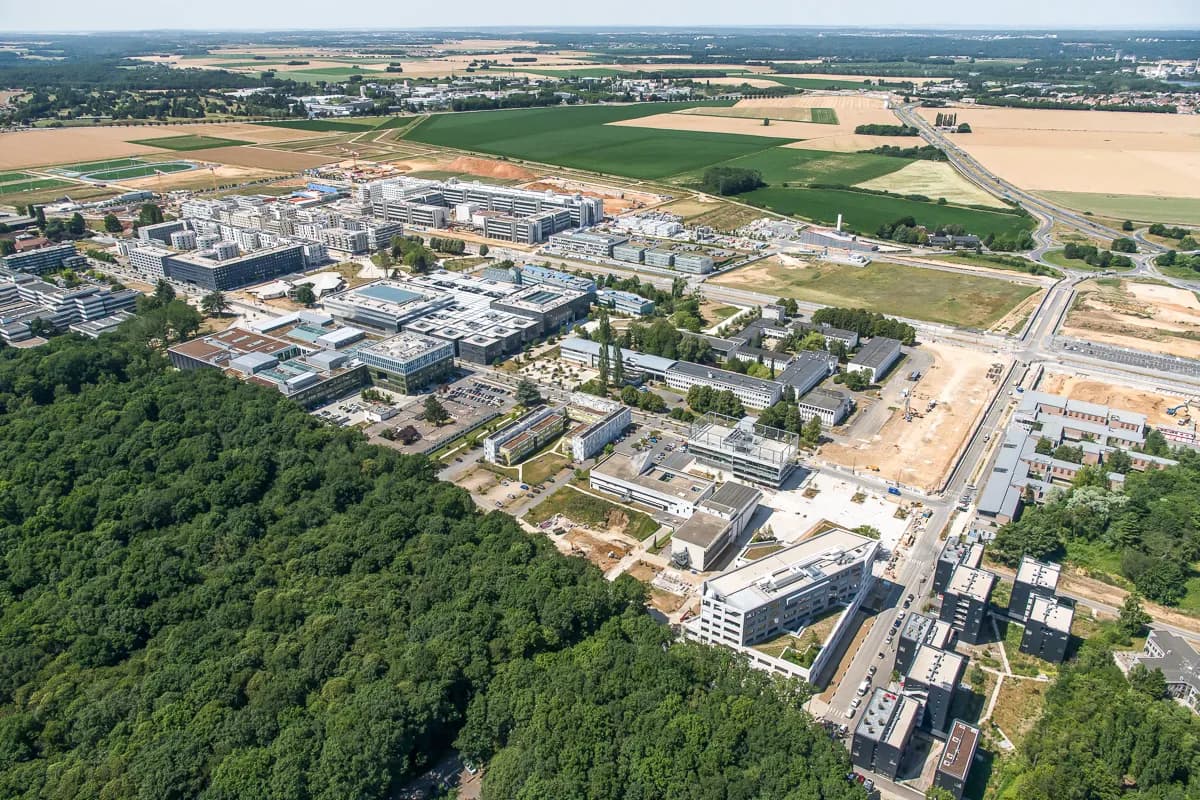
How a thesis is typically structured
Most theses follow a structure that reviewers recognize instantly: a title page and abstract that state what the research is and why it matters, an introduction that frames the problem, a literature review that shows where the gap sits, a methodology chapter that explains how the research was actually carried out, results and discussion sections that separate what was found from what it means, and a conclusion that ties the argument back to the original question. References and appendices close out the document. Thesis committees at most public research universities expect this shape by default — not because it's a rigid formula, but because it's the clearest way to walk a reader from "here's the problem" to "here's what we now know."
Citation and referencing norms
The referencing problems that show up most often in thesis drafts are mechanical rather than conceptual: a source cited in the text but missing from the reference list (or vice versa), inconsistent formatting of the same source type across entries, missing page numbers on direct quotations, and citation styles that quietly drift partway through a long document as chapters get written at different times.
A short verification pass before submission — checking that every in-text citation has a matching reference-list entry, and that one style is applied consistently throughout — catches most of this without needing to re-read the whole thesis line by line.
General thesis-writing tips
Most thesis timelines don't fail because of one big mistake — they slip a little at a time. Sources get read but not logged with full citation details, so a useful quote later has no traceable origin. A chapter gets polished at the sentence level before its structure has been checked, so the polishing has to be redone once a paragraph gets moved or cut. Feedback comes back from a supervisor but doesn't get turned into a specific action, so the same comment resurfaces on the next draft.
Building in a running reference list, a structural revision pass before a line-level one, and a simple log of supervisor feedback (comment, action, done) tends to prevent most of this before it compounds.
How we support students at this institution
Support here works the same way no matter which of the public research universities a student is enrolled at: we're not affiliated with Universite Paris-Saclay and don't claim to know its internal policies, but we are experienced with the general shape of thesis work at institutions like it. When you send over your program's official guidelines and any notes from your supervisor, that becomes the actual brief we work from — not assumptions about what your university might expect.
What affects thesis complexity at this level
Thesis scope tends to track the kind of program a student is in more than almost anything else. Given the programs typically associated with this institution — Science and engineering masters, Eiffel scholarship track — a thesis here plausibly sits somewhere on a spectrum from data- and methodology-heavy (common in technical, engineering or computing programs) to applied and case-study-driven (common in business, management and other professionally oriented fields). Knowing roughly where your own program sits on that spectrum is more useful early on than any generic length or difficulty guideline.
Formatting and submission norms
Two formatting details tend to get overlooked until near submission: pagination style (roman numerals for front matter, arabic for the main text, is a common but not universal convention) and submission format, since electronic-only submission, physical binding requirements, or both, differ by institution and sometimes by degree level within the same institution.
General norms like these are useful for planning ahead, but they aren't a substitute for your own program's official handbook, which is the only source that can tell you what's actually required for your specific submission.
Explore related universities
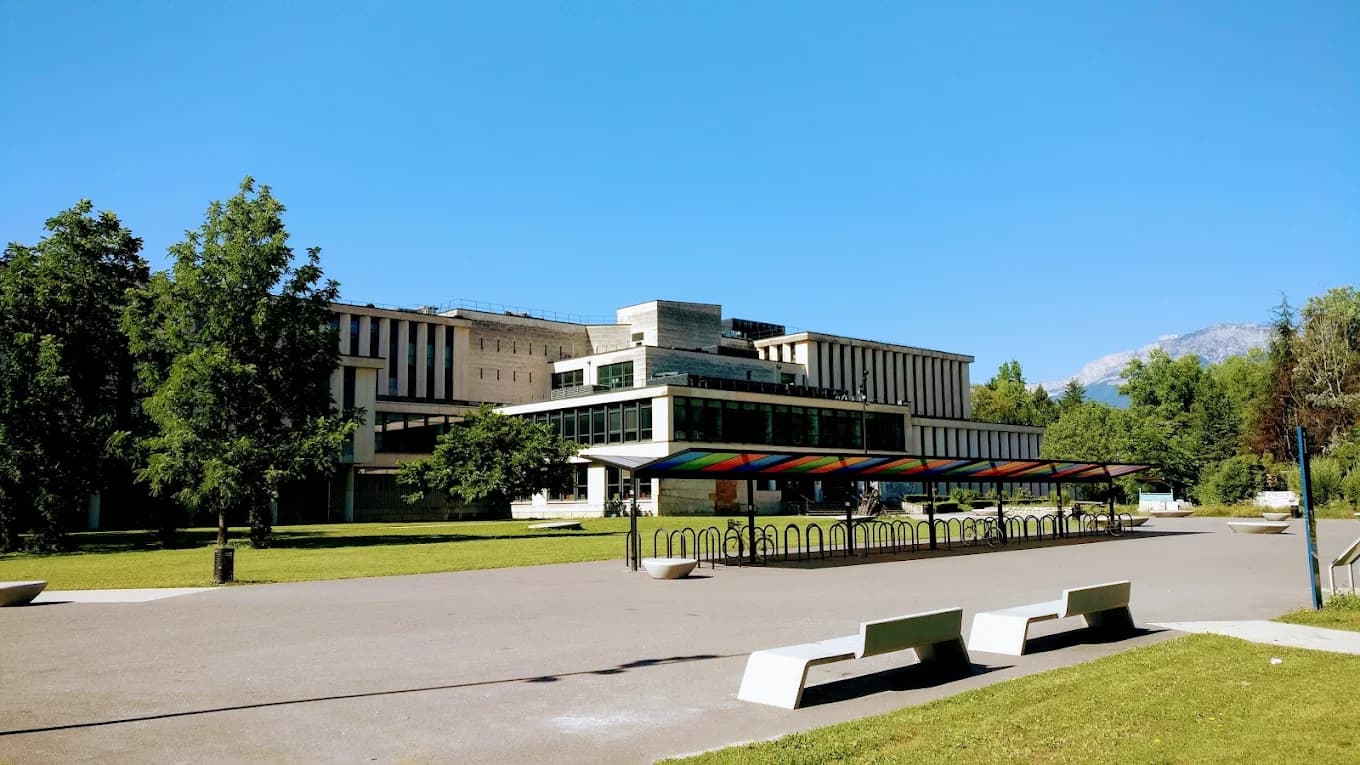
Universite Grenoble Alpes
Grenoble, France
Public research
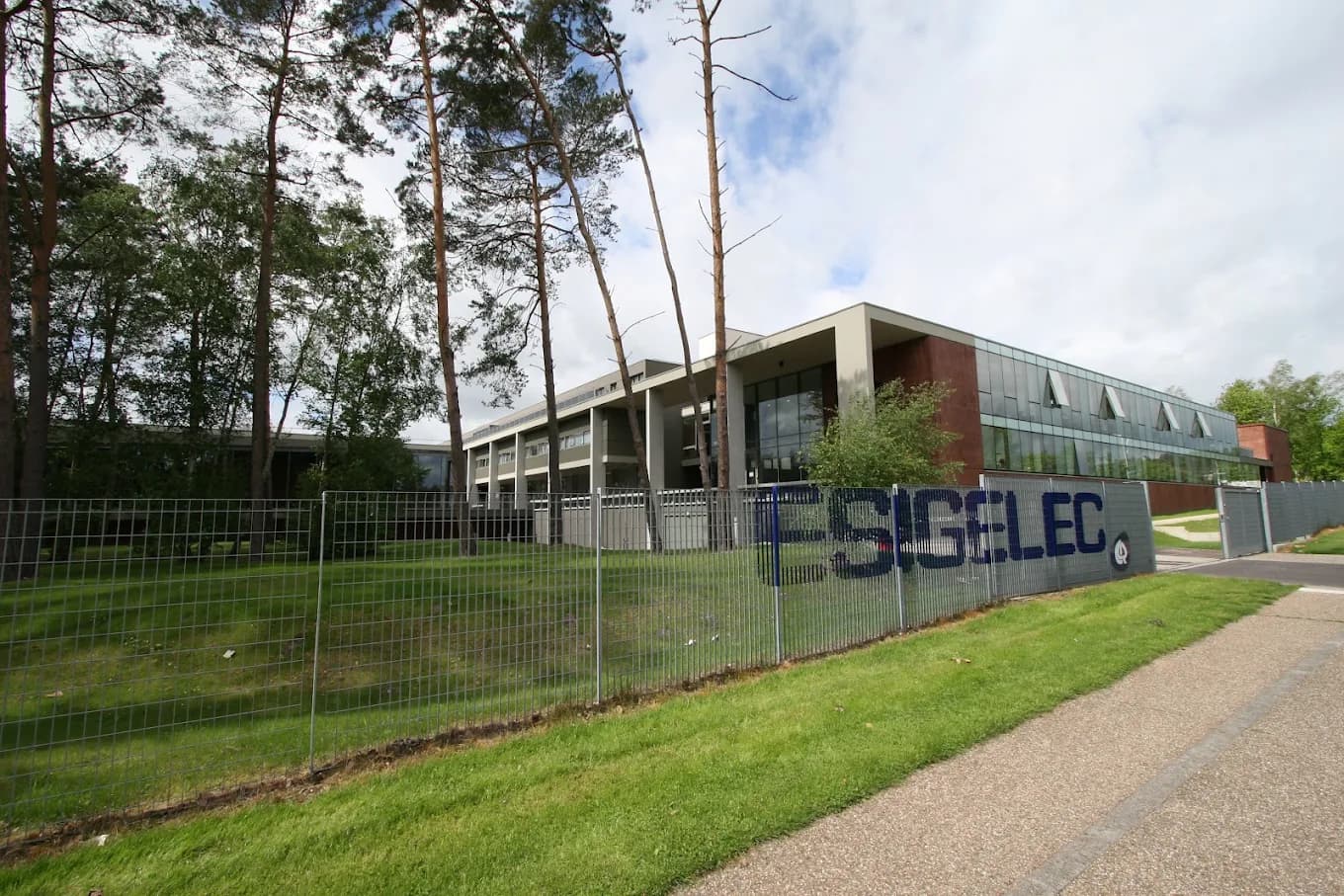
ESIGELEC
Rouen, France
Private engineering school
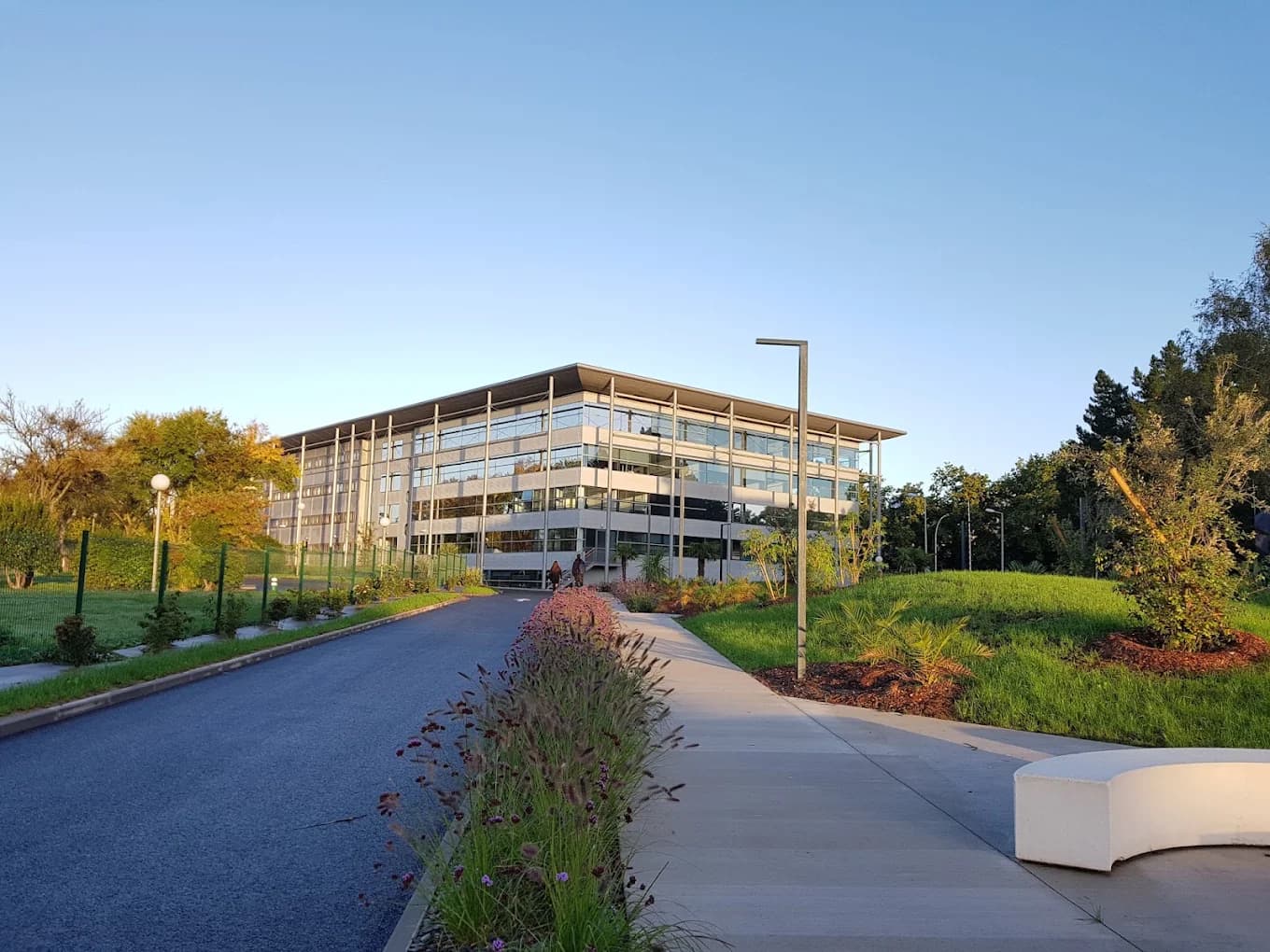
Rennes School of Business
Rennes, France
Private business school
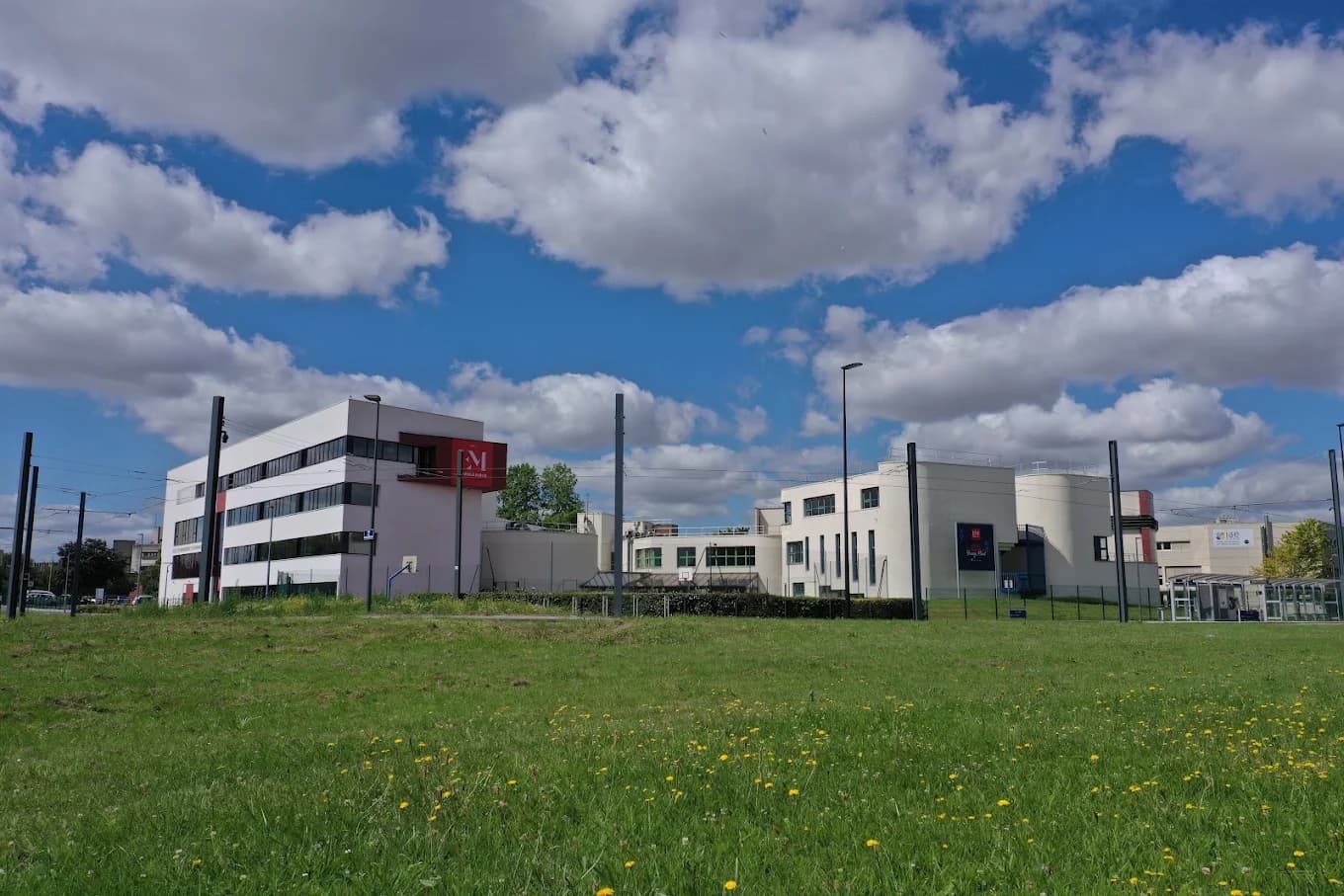
EM Normandie Business School
Le Havre / Caen / Paris, France
Private business school
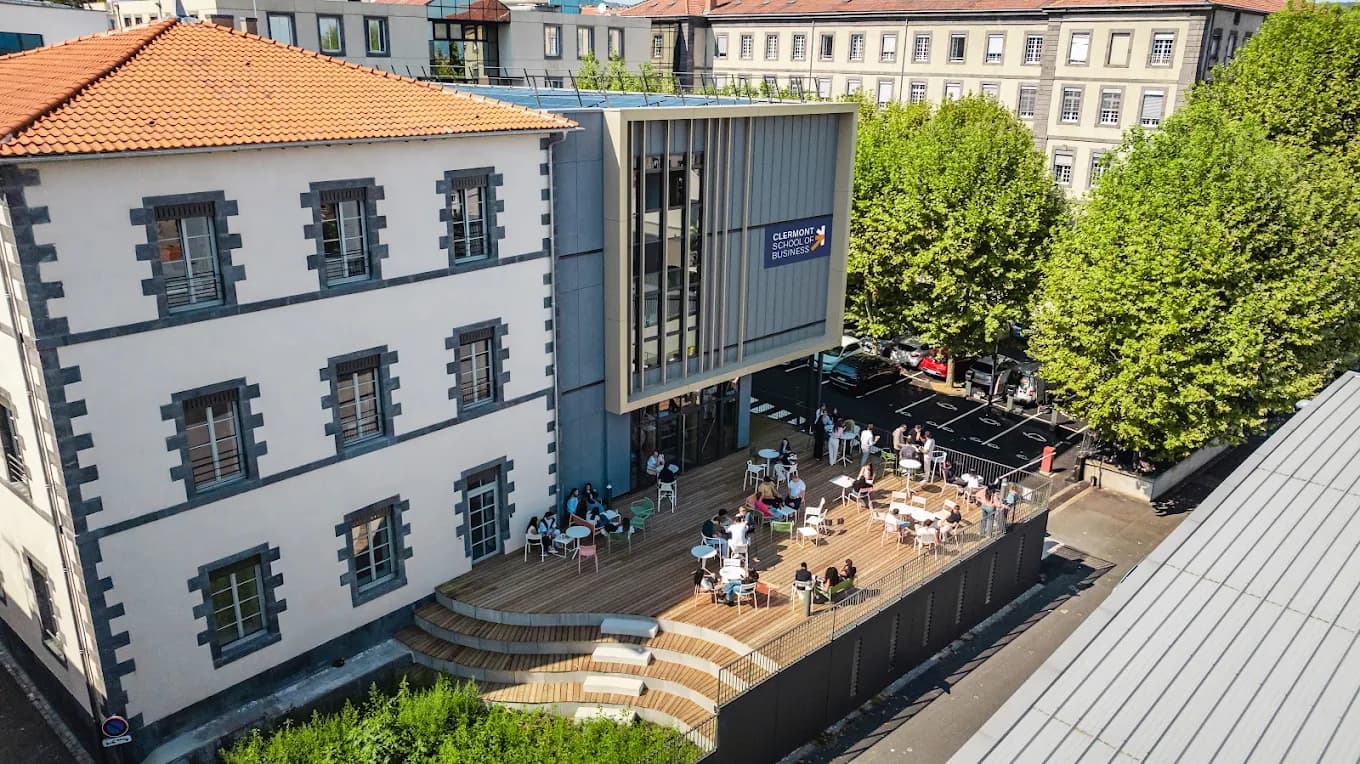
ESC Clermont Business School
Clermont-Ferrand, France
Private business school
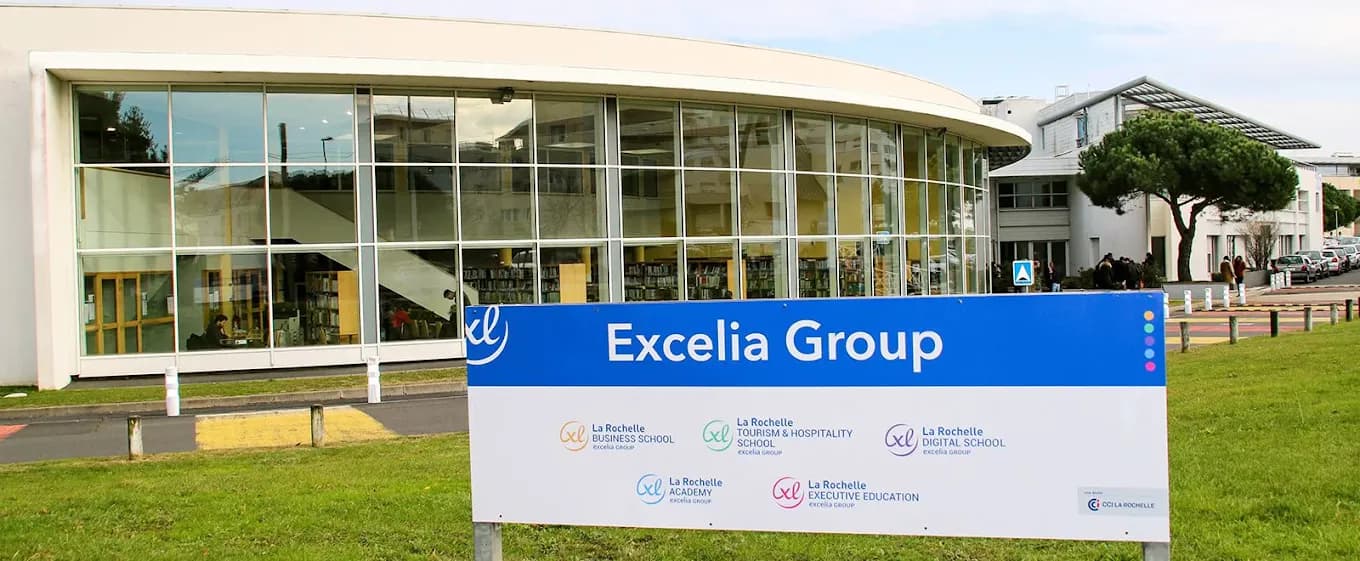
Excelia Business School
La Rochelle, France
Private business school
Frequently asked questions
Working on a project at Universite Paris-Saclay?
Share your topic, your program's guidelines and your deadline on WhatsApp, and we'll help from there.
We are not affiliated with, endorsed by, or acting on behalf of Universite Paris-Saclay.
Last reviewed: 2026-09-01