
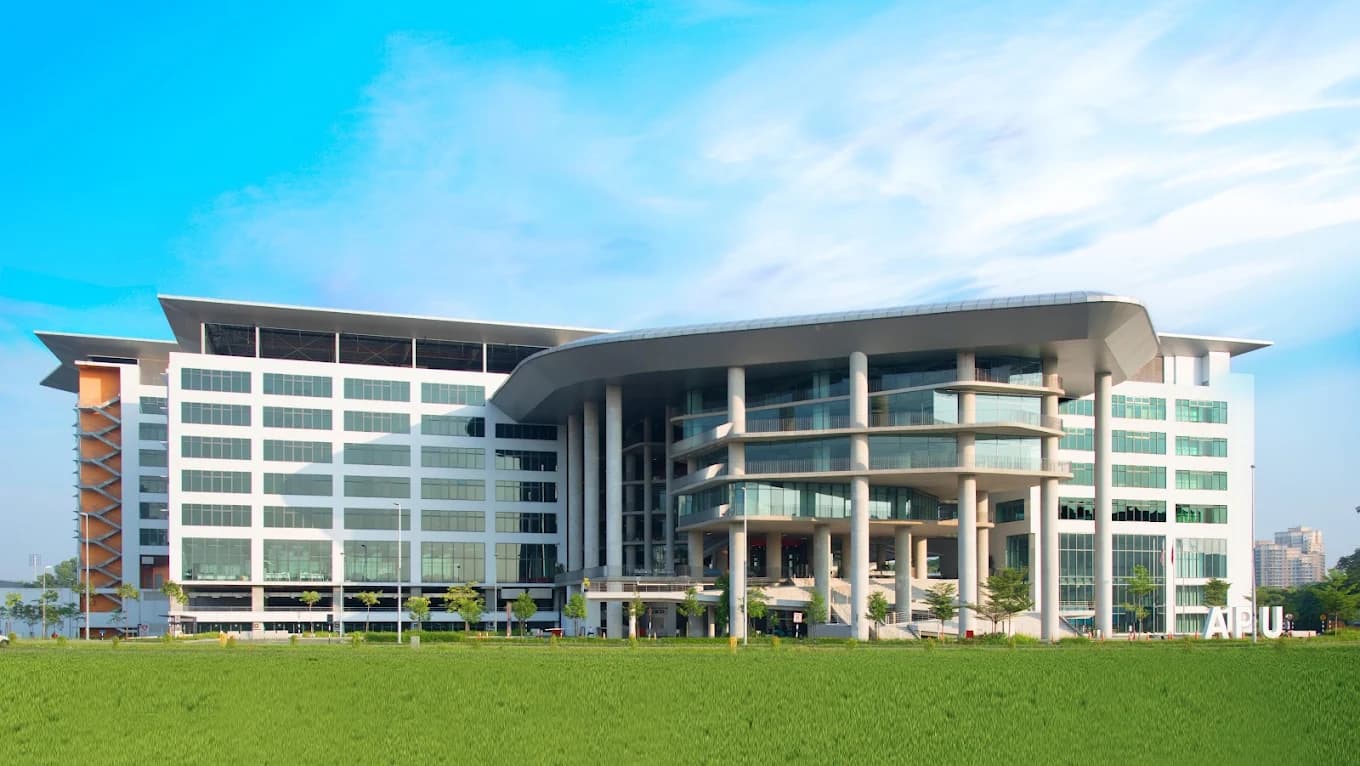
Asia Pacific University of Technology and Innovation (APU)
IT, computing, business
How a thesis is typically structured
Most theses follow a structure that reviewers recognize instantly: a title page and abstract that state what the research is and why it matters, an introduction that frames the problem, a literature review that shows where the gap sits, a methodology chapter that explains how the research was actually carried out, results and discussion sections that separate what was found from what it means, and a conclusion that ties the argument back to the original question. References and appendices close out the document. Thesis committees at most private institutions expect this shape by default — not because it's a rigid formula, but because it's the clearest way to walk a reader from "here's the problem" to "here's what we now know."
Citation and referencing norms
In practice, the citation style for a thesis is rarely something a student picks freely — it's usually set by the program, sometimes by the specific department, and occasionally left to the student within a short approved list. The most reliable way to find out is the simplest one: check the formatting section of your program handbook, or ask your supervisor directly if it isn't written down anywhere.
Once a style is confirmed, the more common failure point isn't picking the wrong one — it's inconsistency: mixing author-date and numbered citations, or applying a style correctly in the text but not in the reference list (or the other way around).
General thesis-writing tips
Treating a thesis less like a single long essay and more like a managed project tends to produce steadier progress. That means keeping a source log with full citation details from the first day of reading (not after), writing analytical or methodology chapters close to when the underlying decisions were made, and separating revision into distinct passes — first for argument and structure, then for evidence and analysis, and only then for sentence-level clarity and proofreading.
None of this replaces the actual thinking a thesis requires, but it removes a lot of the friction that turns a manageable project into a rushed one.
How we support students at this institution
We don't claim inside knowledge of Asia Pacific University of Technology and Innovation (APU)'s specific requirements — no outside service reasonably can, and any that claims otherwise should be treated with caution. What we do is work from what you actually have: your program's own handbook or formatting guidelines, and whatever feedback your supervisor has already given you. Students at private institutions generally have those two things available, and once you share them with us, we build the work around your program's stated requirements rather than a generic template.
What affects thesis complexity at this level
IT, computing, business is a reasonable description of the kind of work students at this institution are commonly pursuing, and program type is one of the clearest predictors of what a thesis here will actually demand. Technical and STEM-leaning programs typically require more rigor in the methodology chapter — data collection procedures, analysis technique, validity — while business- or applied-field programs more often require rigor in framing: picking a case or context that's genuinely worth analyzing, and building an argument from it that goes beyond description.
Formatting and submission norms
Two formatting details tend to get overlooked until near submission: pagination style (roman numerals for front matter, arabic for the main text, is a common but not universal convention) and submission format, since electronic-only submission, physical binding requirements, or both, differ by institution and sometimes by degree level within the same institution.
General norms like these are useful for planning ahead, but they aren't a substitute for your own program's official handbook, which is the only source that can tell you what's actually required for your specific submission.
Explore related universities
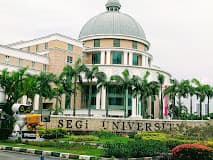
SEGi University
Kota Damansara, Malaysia
Private
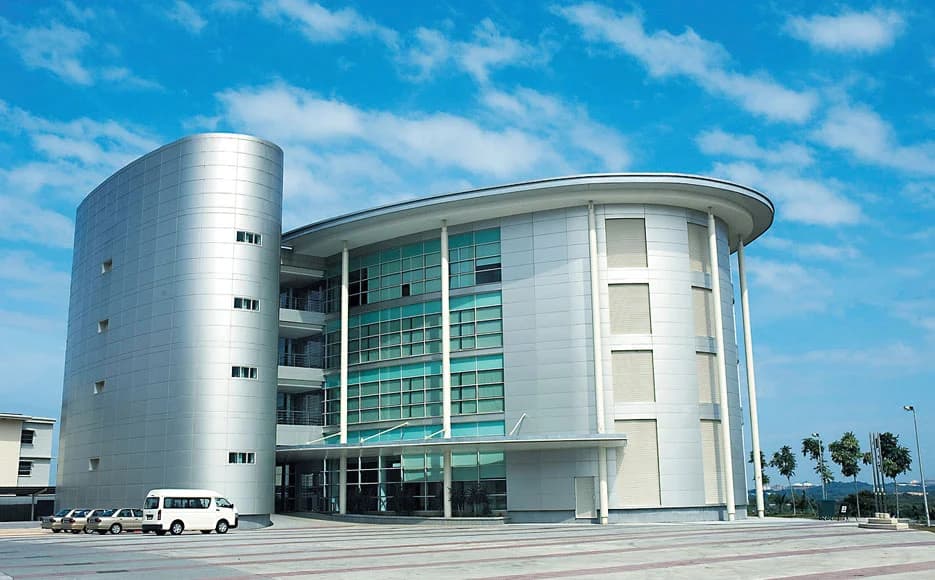
Multimedia University
Cyberjaya / Melaka, Malaysia
Private
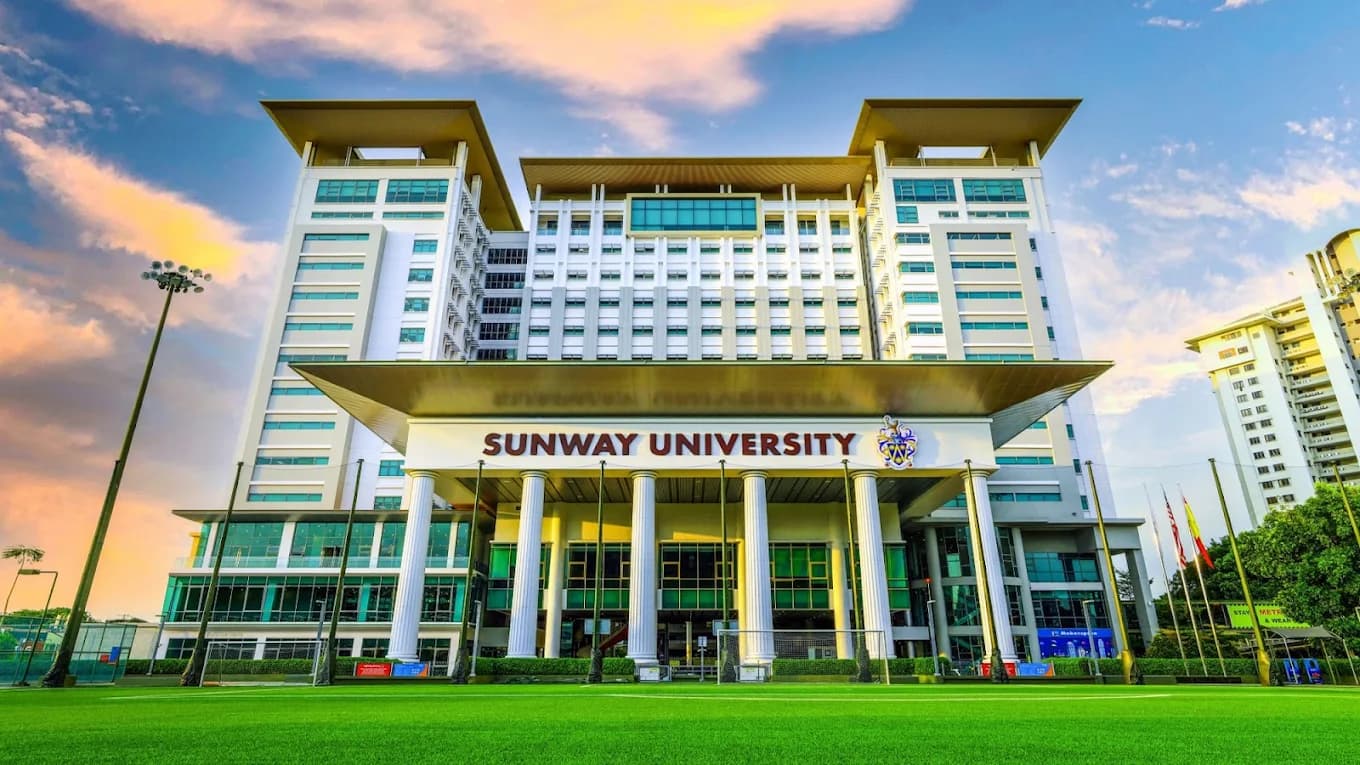
Sunway University
Bandar Sunway, Malaysia
Private
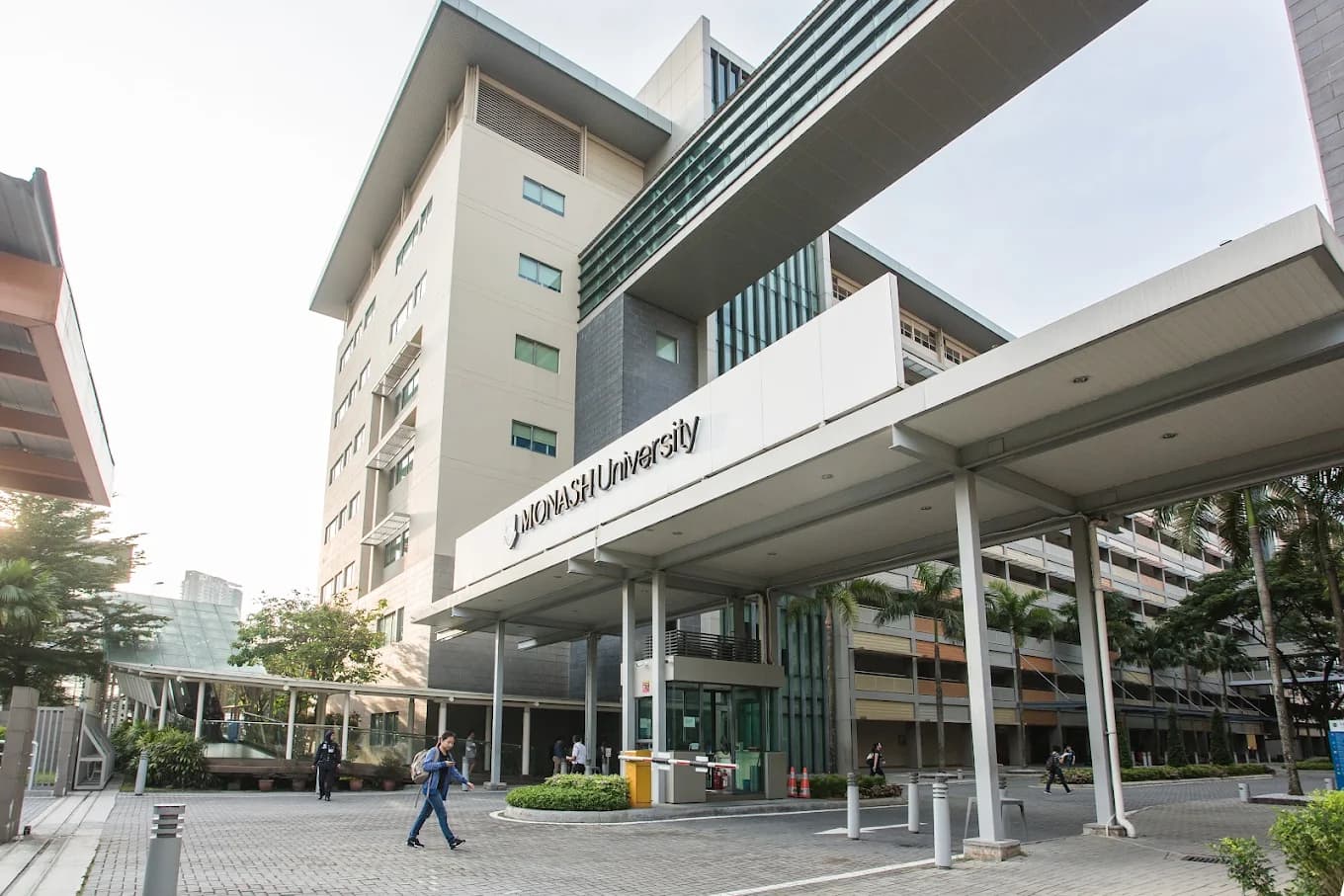
Monash University Malaysia
Bandar Sunway, Malaysia
Foreign branch campus
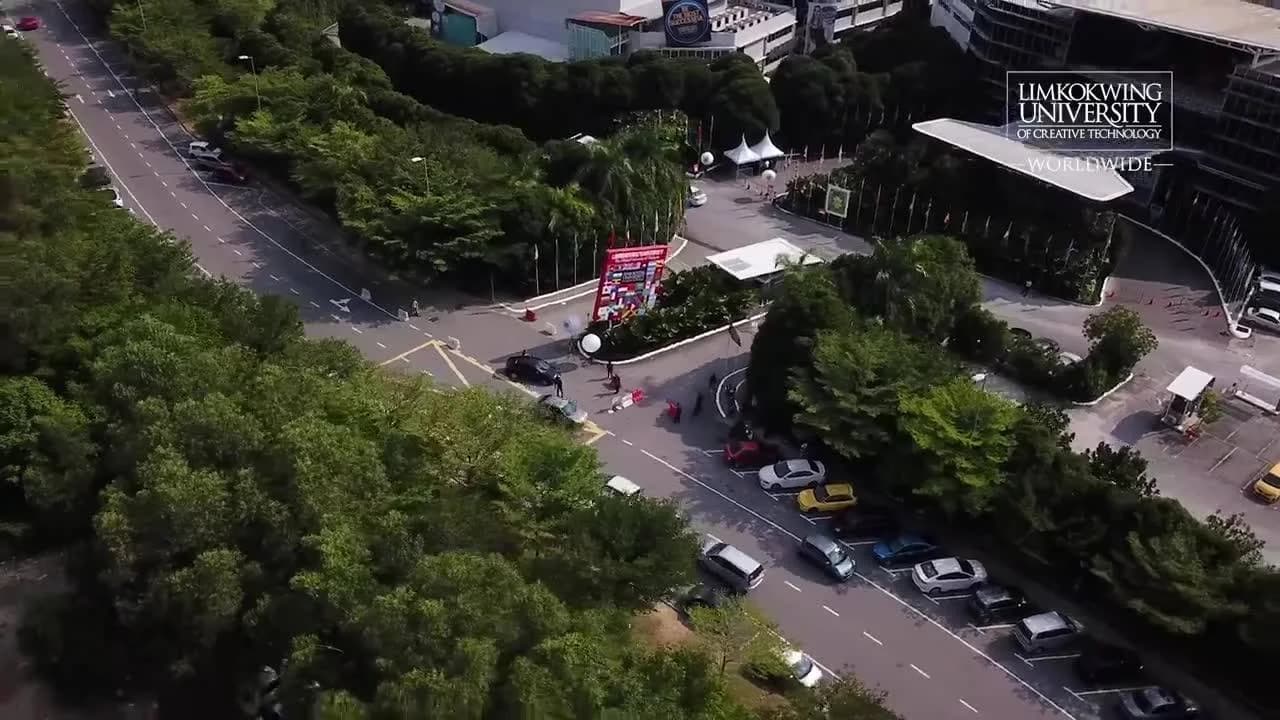
Limkokwing University of Creative Technology
Cyberjaya, Malaysia
Private
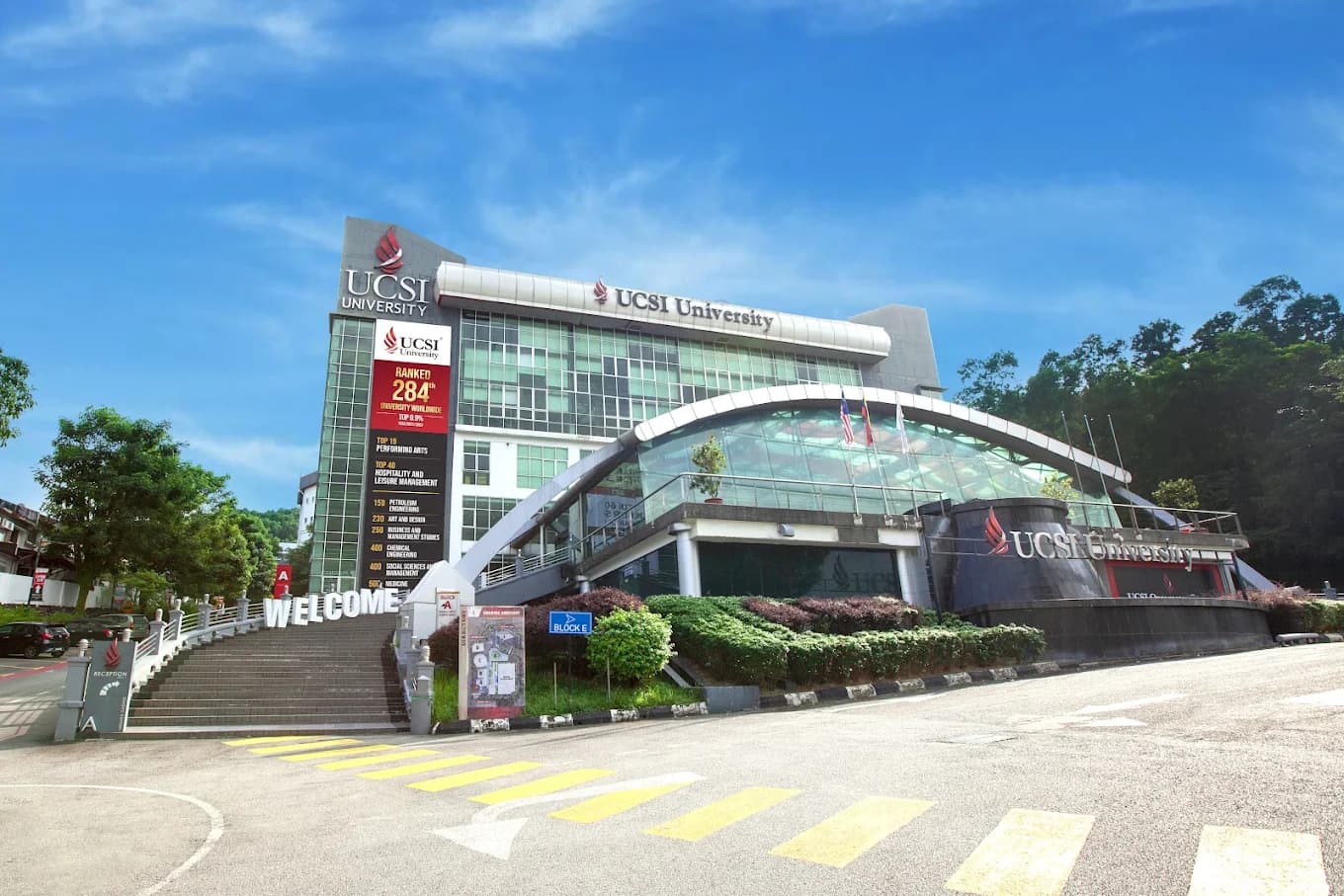
UCSI University
Kuala Lumpur, Malaysia
Private
Frequently asked questions
Working on a project at Asia Pacific University of Technology and Innovation (APU)?
Share your topic, your program's guidelines and your deadline on WhatsApp, and we'll help from there.
We are not affiliated with, endorsed by, or acting on behalf of Asia Pacific University of Technology and Innovation (APU).
Last reviewed: 2026-09-01