
Corvinus University of Budapest
Business, economics, management

How a thesis is typically structured
Most of the structural problems examiners flag at public institutions show up in predictable places. A common one: an introduction that describes a broad topic rather than a specific, answerable question. Another: a literature review that summarizes sources one by one instead of showing where they disagree or where a gap remains — which then leaves the methodology chapter with nothing clear to justify. Results sections sometimes drift into interpretation that belongs in the discussion instead, and conclusions occasionally introduce new claims that were never actually argued in the body of the thesis. Knowing the twelve-part shape (title page, abstract, acknowledgements, contents, introduction, literature review, methodology, results, discussion, conclusion, references, appendices) is only useful once each part is doing the specific job it's meant to do, not just occupying the expected slot.
Citation and referencing norms
In practice, the citation style for a thesis is rarely something a student picks freely — it's usually set by the program, sometimes by the specific department, and occasionally left to the student within a short approved list. The most reliable way to find out is the simplest one: check the formatting section of your program handbook, or ask your supervisor directly if it isn't written down anywhere.
Once a style is confirmed, the more common failure point isn't picking the wrong one — it's inconsistency: mixing author-date and numbered citations, or applying a style correctly in the text but not in the reference list (or the other way around).
General thesis-writing tips
Momentum matters more than any single writing technique. Working in short, regular sessions with a concrete, measurable goal — a specific subsection drafted, one table analyzed, three sources summarized — tends to produce more usable pages over a semester than waiting for a large uninterrupted block of time that rarely arrives on schedule.
It also helps to write the methodology chapter close to when those decisions were actually made, since the reasoning behind a sampling choice or an analysis method is far easier to explain while it's fresh than to reconstruct from old notes weeks later.
How we support students at this institution
We don't claim inside knowledge of Corvinus University of Budapest's specific requirements — no outside service reasonably can, and any that claims otherwise should be treated with caution. What we do is work from what you actually have: your program's own handbook or formatting guidelines, and whatever feedback your supervisor has already given you. Students at public institutions generally have those two things available, and once you share them with us, we build the work around your program's stated requirements rather than a generic template.
What affects thesis complexity at this level
Two theses of the same page count can involve very different amounts of work depending on the program behind them. A quantitative, data-heavy study usually needs more time in the methodology and results chapters — cleaning data, justifying an analytical method, checking assumptions. A more applied or case-study-based project instead needs depth in framing and interpretation: choosing the right case, gathering qualitative evidence, and building a defensible argument from it rather than a dataset.
Given the kinds of programs typically studied here — Business, economics, management — it's worth identifying early which end of that spectrum your own thesis is closer to, since it changes where your time is best spent.
Formatting and submission norms
A pattern worth knowing, even though it isn't a rule: many programs default to something in the range of 2.5–3 cm (roughly 1 inch) margins, 1.5 or double line spacing for the main text, and a numbered table of contents generated from consistent heading styles. None of that is guaranteed for any specific program, though — some faculties require single spacing, wider binding margins for printed copies, or specific heading formatting tied to a style guide.
The only reliable way to confirm any of this is your own official handbook — treat anything general written here as a starting expectation, not a substitute for checking it.
Explore related universities
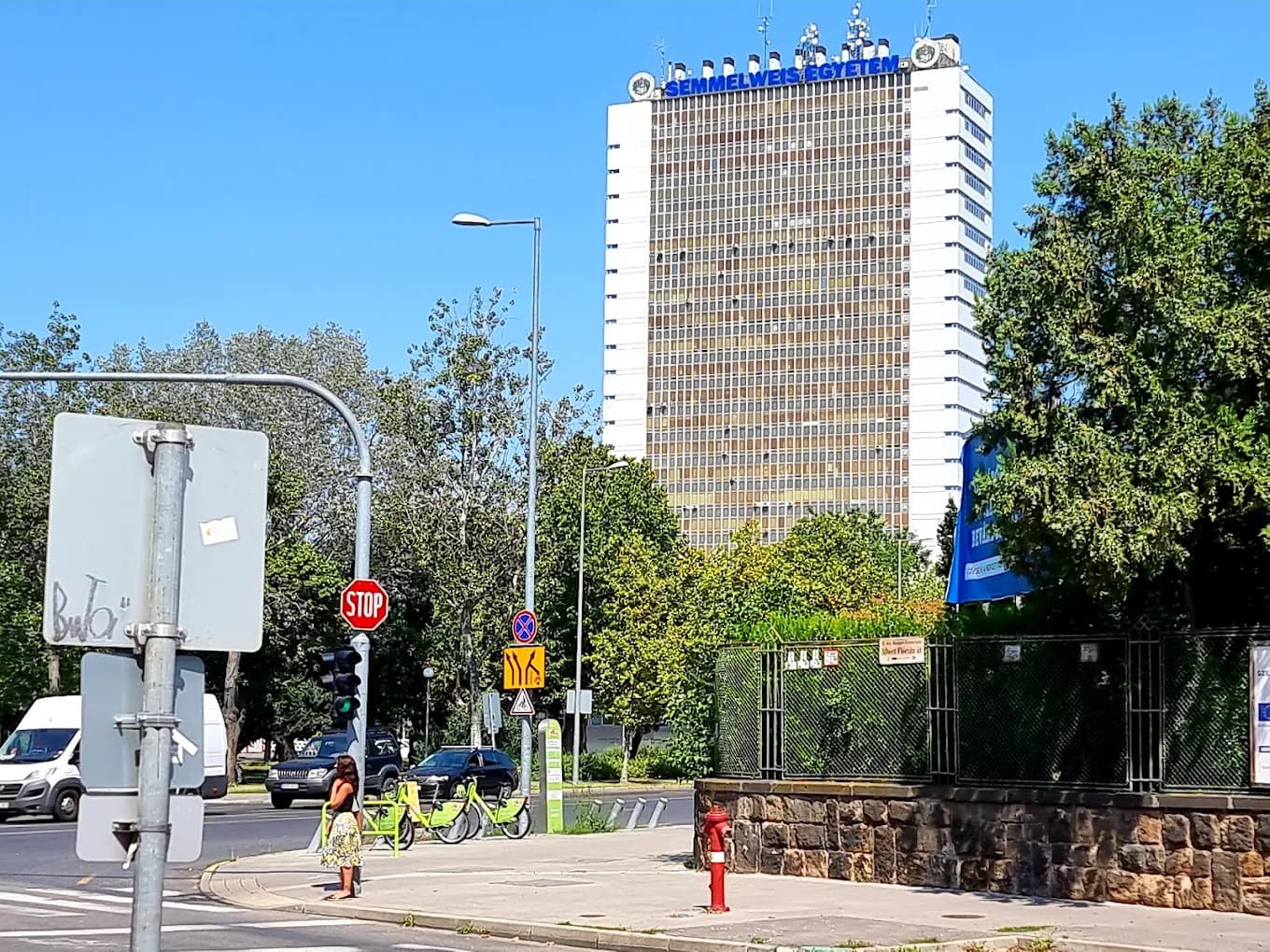
Semmelweis University
Budapest, Hungary
Public medical

Budapest University of Technology and Economics
Budapest, Hungary
Public technical
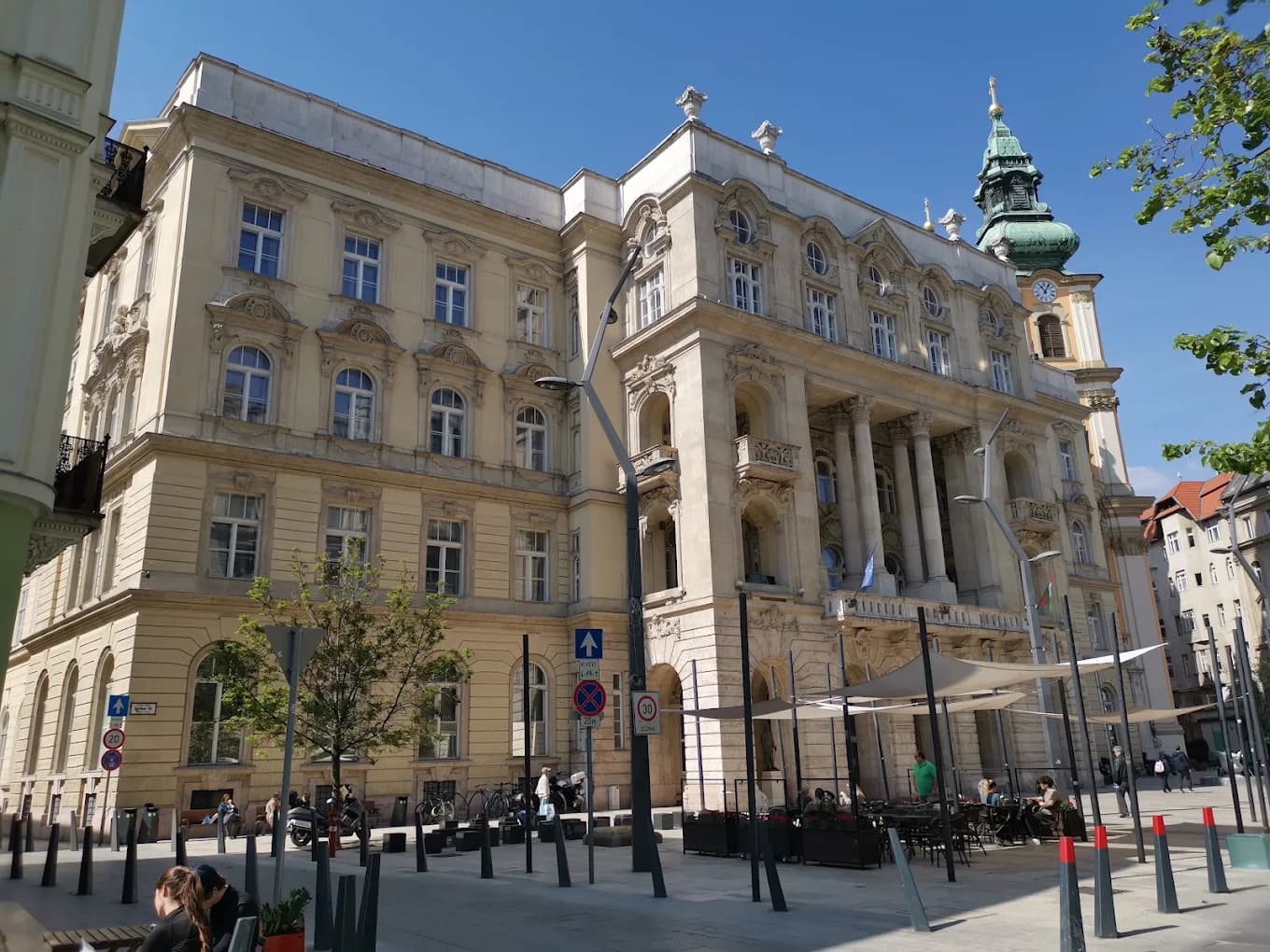
Eotvos Lorand University (ELTE)
Budapest, Hungary
Public research

University of Debrecen
Debrecen, Hungary
Public research
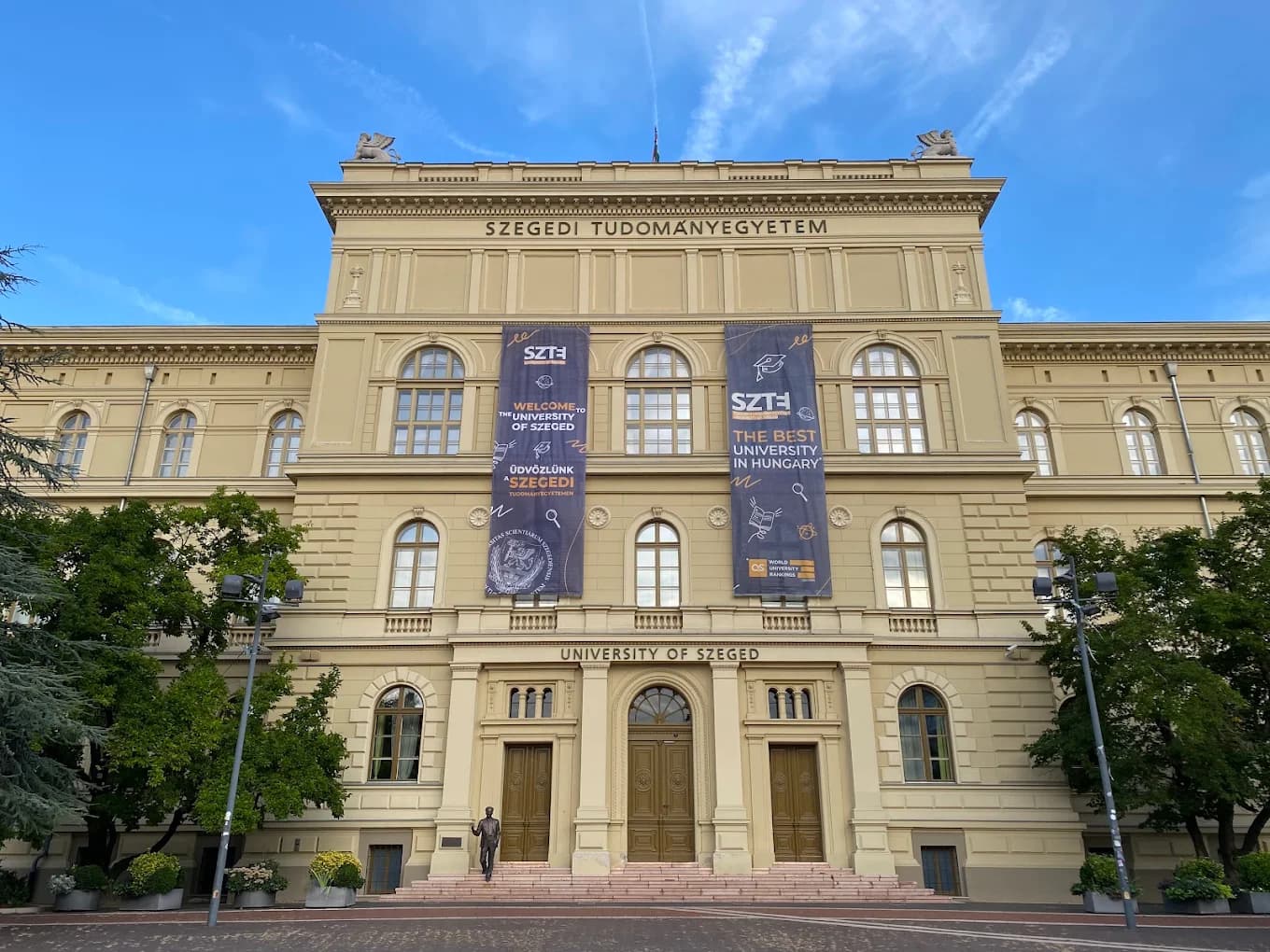
University of Szeged
Szeged, Hungary
Public research
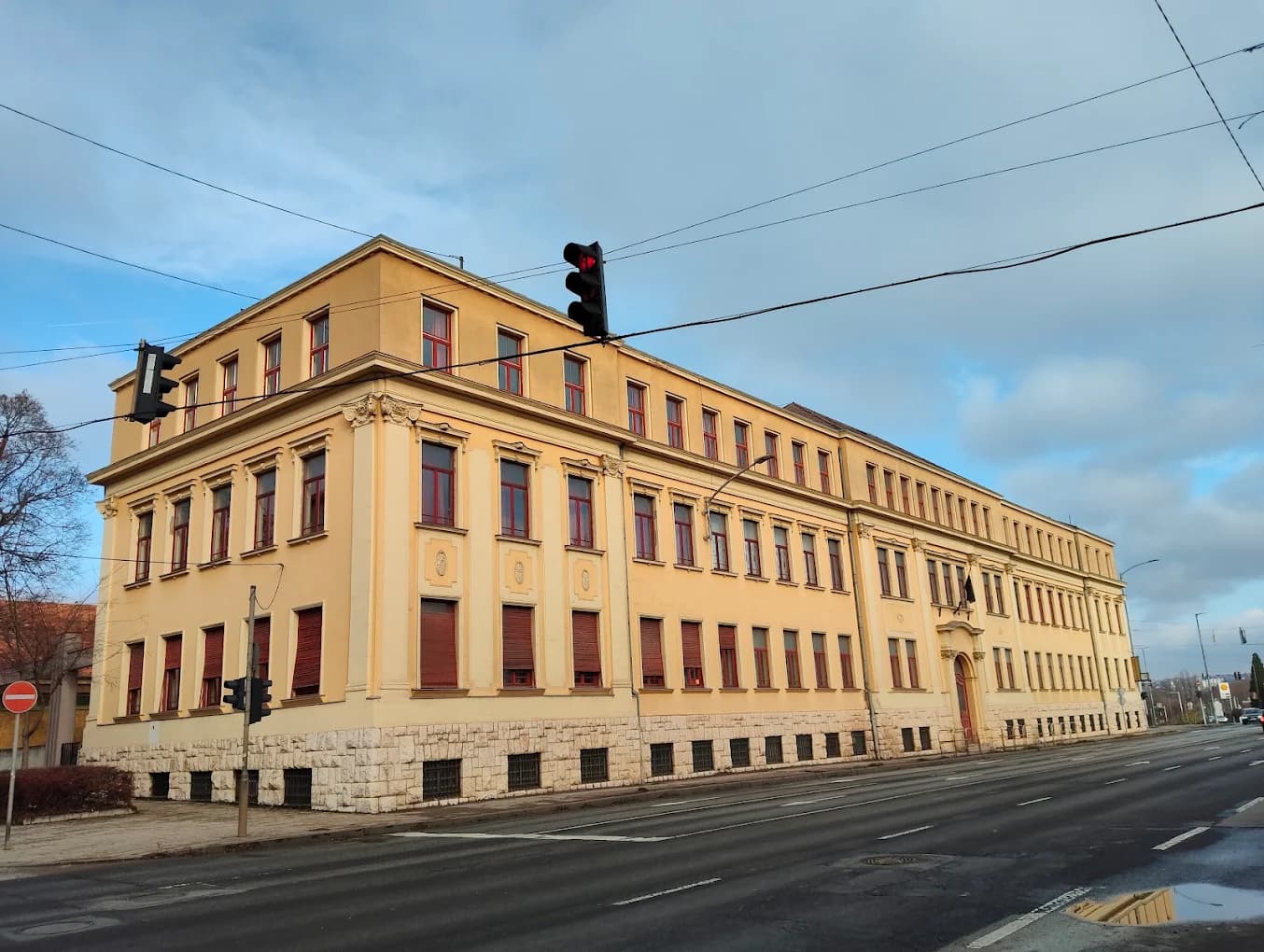
University of Pecs
Pecs, Hungary
Public research
Frequently asked questions
Working on a project at Corvinus University of Budapest?
Share your topic, your program's guidelines and your deadline on WhatsApp, and we'll help from there.
We are not affiliated with, endorsed by, or acting on behalf of Corvinus University of Budapest.
Last reviewed: 2026-09-01