
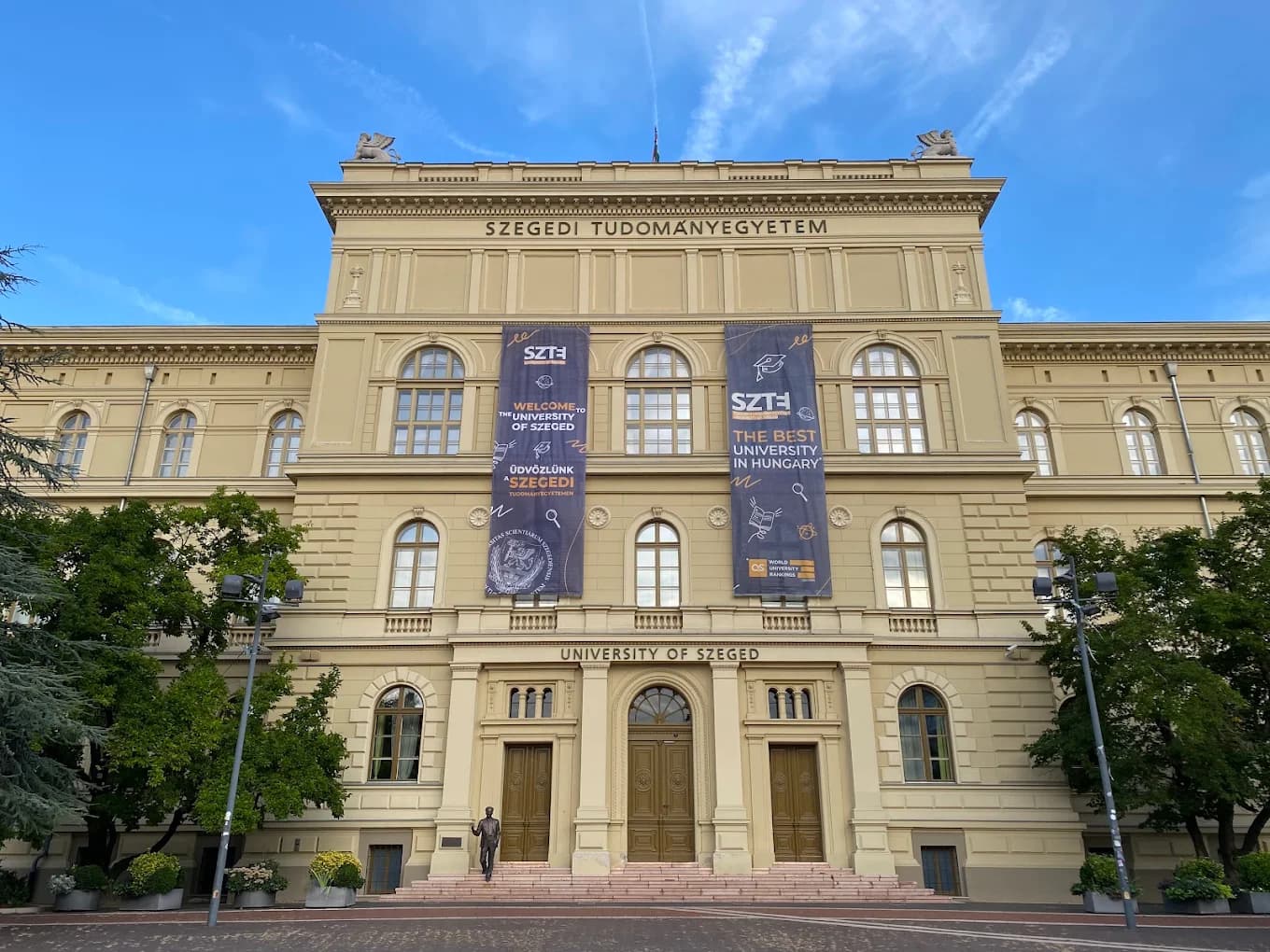
University of Szeged
Medicine, pharmacy, science
How a thesis is typically structured
Most of the structural problems examiners flag at public research universities show up in predictable places. A common one: an introduction that describes a broad topic rather than a specific, answerable question. Another: a literature review that summarizes sources one by one instead of showing where they disagree or where a gap remains — which then leaves the methodology chapter with nothing clear to justify. Results sections sometimes drift into interpretation that belongs in the discussion instead, and conclusions occasionally introduce new claims that were never actually argued in the body of the thesis. Knowing the twelve-part shape (title page, abstract, acknowledgements, contents, introduction, literature review, methodology, results, discussion, conclusion, references, appendices) is only useful once each part is doing the specific job it's meant to do, not just occupying the expected slot.
Citation and referencing norms
Citation style is usually decided by discipline more than by any single rule: APA is common across the social sciences, education and much of business writing; IEEE is standard in most engineering and computer-science programs; Vancouver-style numbered referencing dominates medicine and the health sciences; and Harvard or MLA referencing shows up frequently in humanities and Commonwealth-influenced programs.
Conventions vary by program even within one country, so treat any general pattern as a starting point rather than a rule.
None of this is a substitute for what your own program actually specifies — treat it as background, and confirm the required style in your handbook or with your supervisor before you commit to one.
General thesis-writing tips
Most thesis timelines don't fail because of one big mistake — they slip a little at a time. Sources get read but not logged with full citation details, so a useful quote later has no traceable origin. A chapter gets polished at the sentence level before its structure has been checked, so the polishing has to be redone once a paragraph gets moved or cut. Feedback comes back from a supervisor but doesn't get turned into a specific action, so the same comment resurfaces on the next draft.
Building in a running reference list, a structural revision pass before a line-level one, and a simple log of supervisor feedback (comment, action, done) tends to prevent most of this before it compounds.
How we support students at this institution
A common question is whether we already know what University of Szeged expects. We don't, and we're upfront about that — we have no official relationship with University of Szeged. What we do have is experience supporting students across public research universities, which means we know the right questions to ask: for your program's specific handbook, your citation and formatting requirements, and your supervisor's feedback so far. Those documents, not assumptions, are what shape the actual work.
What affects thesis complexity at this level
Program type has a real effect on what a thesis at this level typically involves. Based on the programs University of Szeged is generally known for — Medicine, pharmacy, science — students here are likely working within one of a few common shapes: technical and data-heavy programs usually push methodology and results chapters toward statistical or computational analysis, while applied or professional programs (business, management, public-facing fields) more often lean on case-study framing, stakeholder analysis or applied recommendations instead of raw data collection.
Either way, the general principle holds: methodology should match what the research question actually needs, not what looks most impressive on paper.
Formatting and submission norms
A pattern worth knowing, even though it isn't a rule: many programs default to something in the range of 2.5–3 cm (roughly 1 inch) margins, 1.5 or double line spacing for the main text, and a numbered table of contents generated from consistent heading styles. None of that is guaranteed for any specific program, though — some faculties require single spacing, wider binding margins for printed copies, or specific heading formatting tied to a style guide.
The only reliable way to confirm any of this is your own official handbook — treat anything general written here as a starting expectation, not a substitute for checking it.
Explore related universities
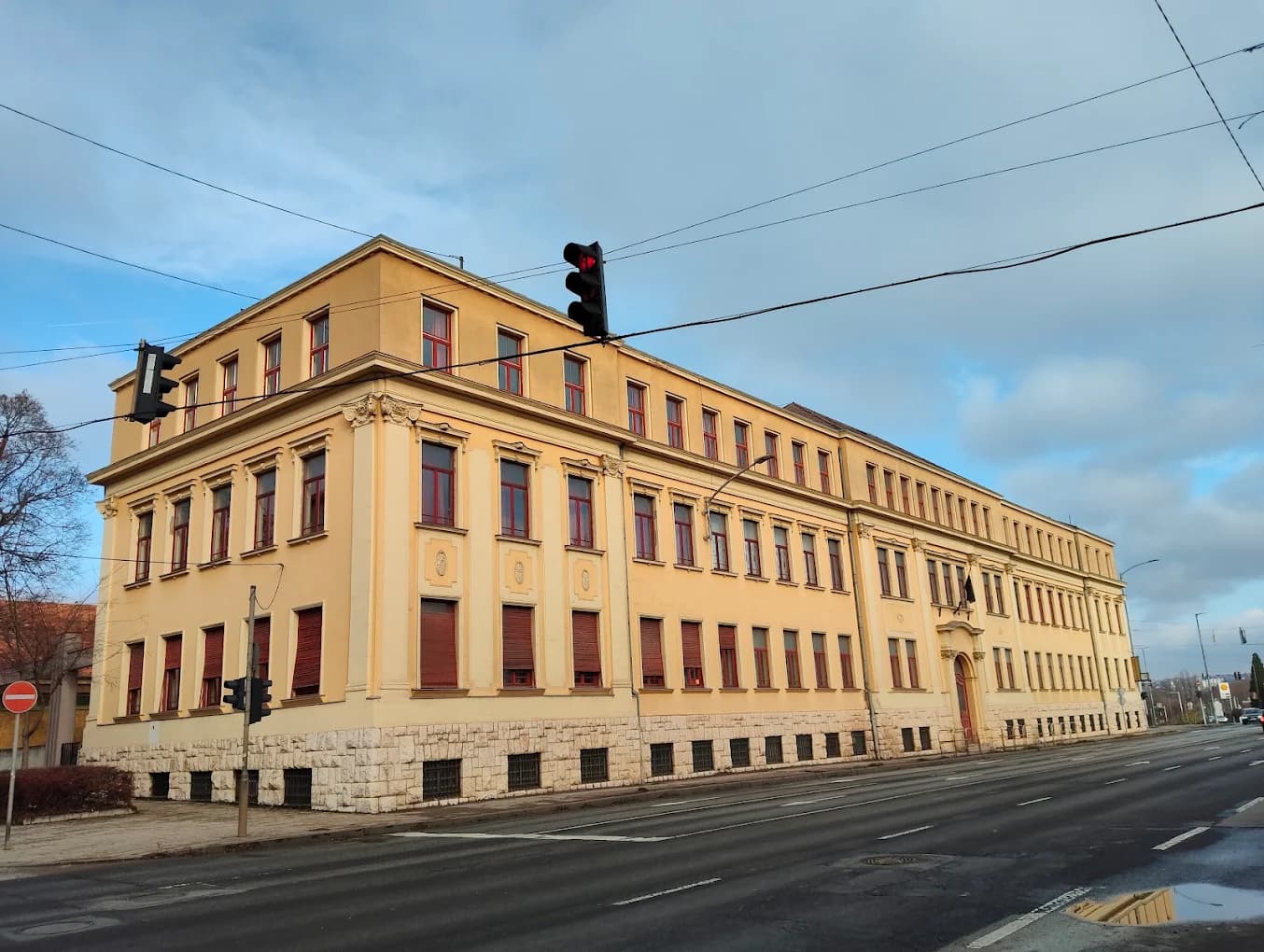
University of Pecs
Pecs, Hungary
Public research
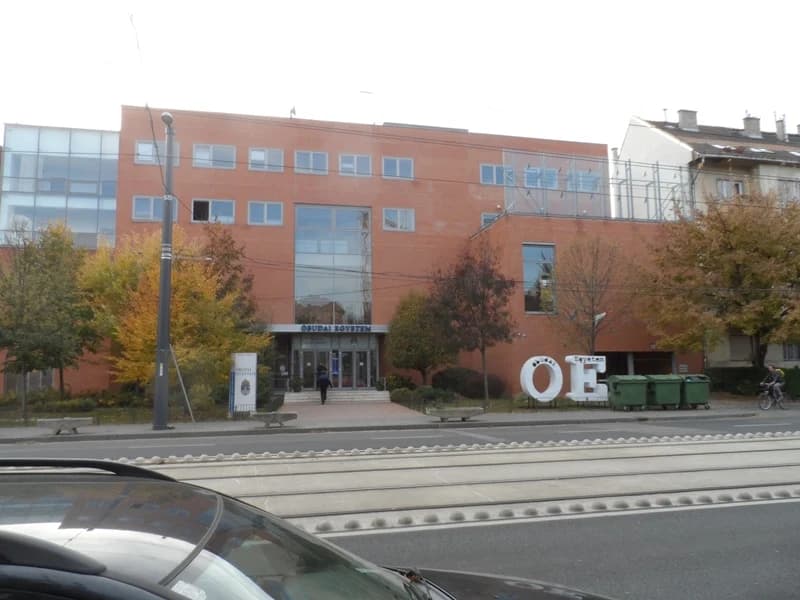
Obuda University
Budapest, Hungary
Public technical
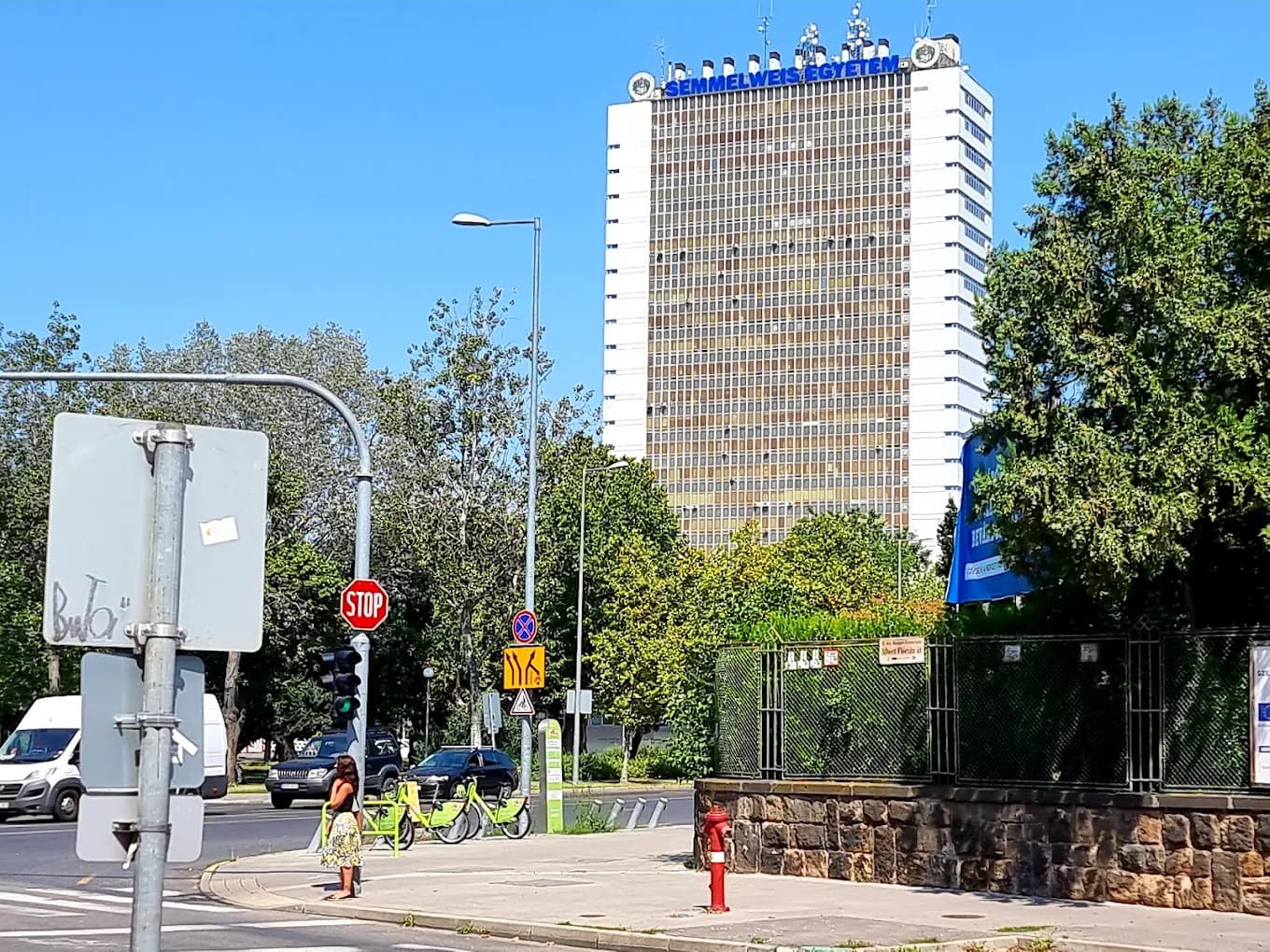
Semmelweis University
Budapest, Hungary
Public medical

Budapest University of Technology and Economics
Budapest, Hungary
Public technical
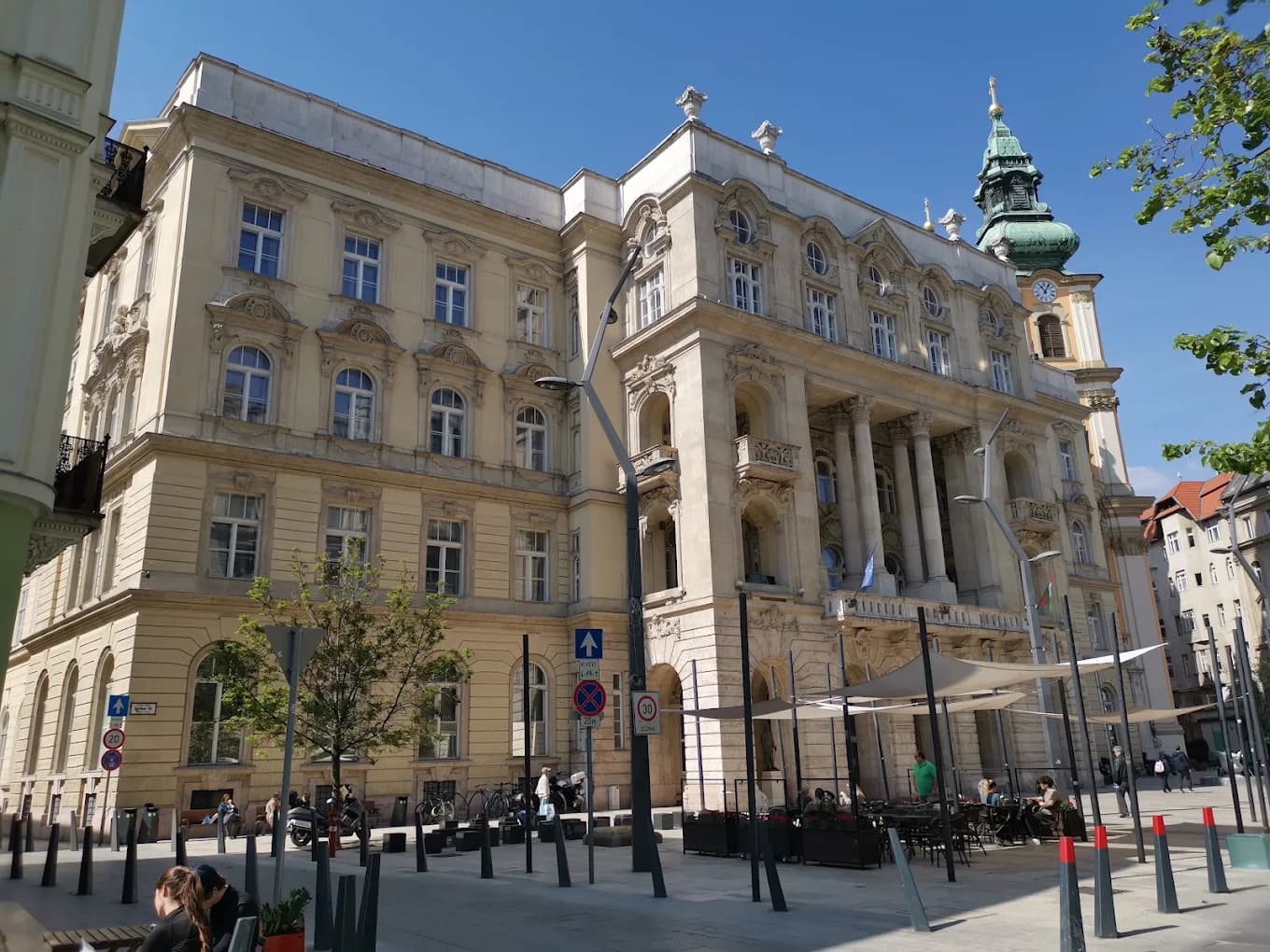
Eotvos Lorand University (ELTE)
Budapest, Hungary
Public research

Corvinus University of Budapest
Budapest, Hungary
Public
Frequently asked questions
Working on a project at University of Szeged?
Share your topic, your program's guidelines and your deadline on WhatsApp, and we'll help from there.
We are not affiliated with, endorsed by, or acting on behalf of University of Szeged.
Last reviewed: 2026-09-01