
IPAG Business School
MSc management, marketing
How a thesis is typically structured
Most of the structural problems examiners flag at business schools show up in predictable places. A common one: an introduction that describes a broad topic rather than a specific, answerable question. Another: a literature review that summarizes sources one by one instead of showing where they disagree or where a gap remains — which then leaves the methodology chapter with nothing clear to justify. Results sections sometimes drift into interpretation that belongs in the discussion instead, and conclusions occasionally introduce new claims that were never actually argued in the body of the thesis. Knowing the twelve-part shape (title page, abstract, acknowledgements, contents, introduction, literature review, methodology, results, discussion, conclusion, references, appendices) is only useful once each part is doing the specific job it's meant to do, not just occupying the expected slot.
Citation and referencing norms
Referencing conventions tend to cluster by region as much as by subject. Commonly used styles in France vary by program and faculty, so it's worth confirming early rather than assuming.
That said, region is only a loose signal — plenty of programs deliberately follow international norms for their field regardless of where the university sits, particularly in STEM subjects where a single dominant convention (like IEEE) tends to travel across borders.
General thesis-writing tips
Treating a thesis less like a single long essay and more like a managed project tends to produce steadier progress. That means keeping a source log with full citation details from the first day of reading (not after), writing analytical or methodology chapters close to when the underlying decisions were made, and separating revision into distinct passes — first for argument and structure, then for evidence and analysis, and only then for sentence-level clarity and proofreading.
None of this replaces the actual thinking a thesis requires, but it removes a lot of the friction that turns a manageable project into a rushed one.
How we support students at this institution
If you're at IPAG Business School, the most useful thing you can send us isn't a description of the university — it's your program's own paperwork: the thesis handbook, formatting rules, and anything your supervisor has already flagged. We use that directly, the same way we would for any student at business schools. We're independent of IPAG Business School and don't represent institutional knowledge we don't have, but we can absolutely work carefully from the requirements you do have in hand.
What affects thesis complexity at this level
MSc management, marketing is a reasonable description of the kind of work students at this institution are commonly pursuing, and program type is one of the clearest predictors of what a thesis here will actually demand. Technical and STEM-leaning programs typically require more rigor in the methodology chapter — data collection procedures, analysis technique, validity — while business- or applied-field programs more often require rigor in framing: picking a case or context that's genuinely worth analyzing, and building an argument from it that goes beyond description.
Formatting and submission norms
A pattern worth knowing, even though it isn't a rule: many programs default to something in the range of 2.5–3 cm (roughly 1 inch) margins, 1.5 or double line spacing for the main text, and a numbered table of contents generated from consistent heading styles. None of that is guaranteed for any specific program, though — some faculties require single spacing, wider binding margins for printed copies, or specific heading formatting tied to a style guide.
The only reliable way to confirm any of this is your own official handbook — treat anything general written here as a starting expectation, not a substitute for checking it.
Explore related universities
Excelia Business School
La Rochelle, France
Private business school
Universite Paris-Saclay
Paris region, France
Public research
Universite Grenoble Alpes
Grenoble, France
Public research
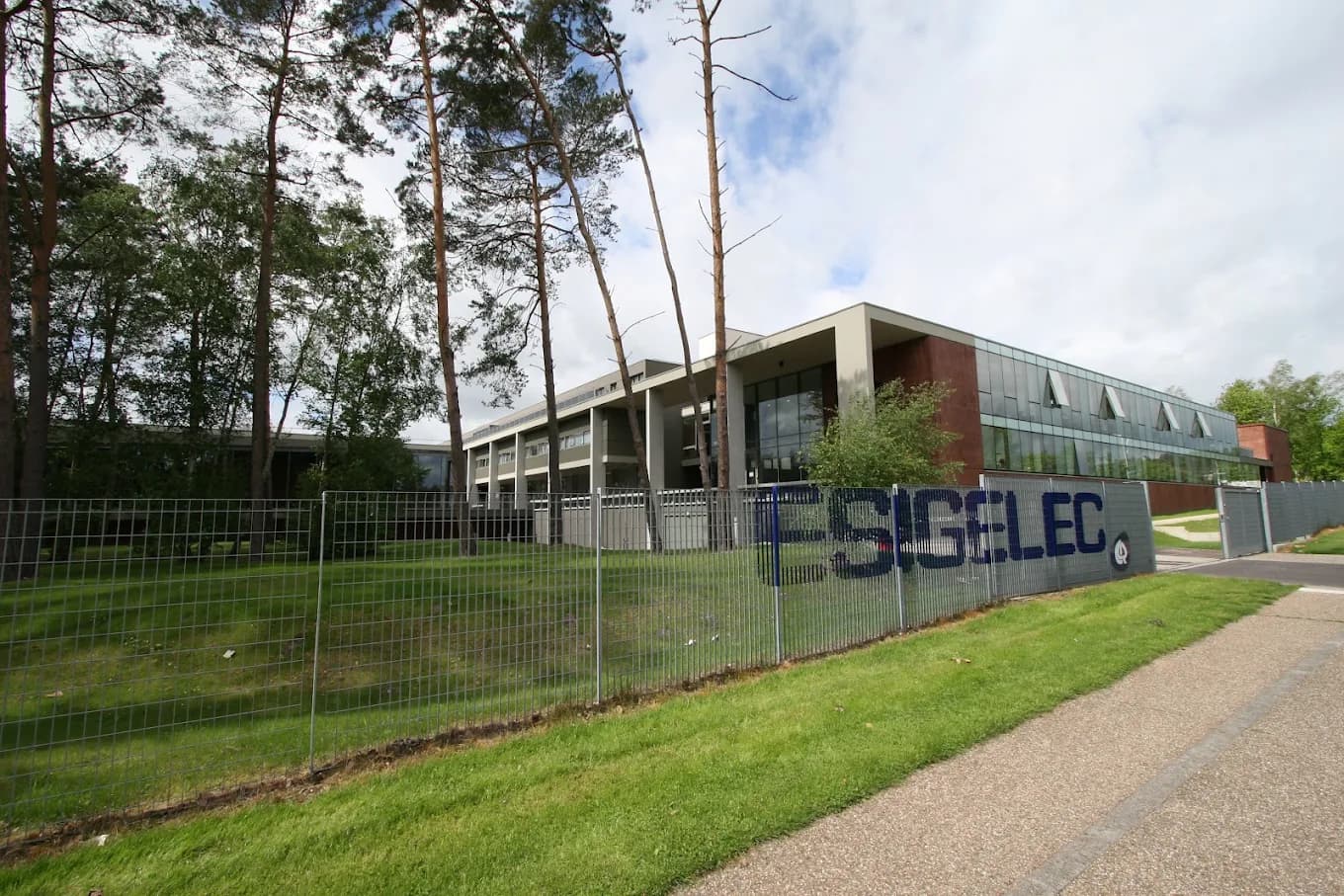
ESIGELEC
Rouen, France
Private engineering school
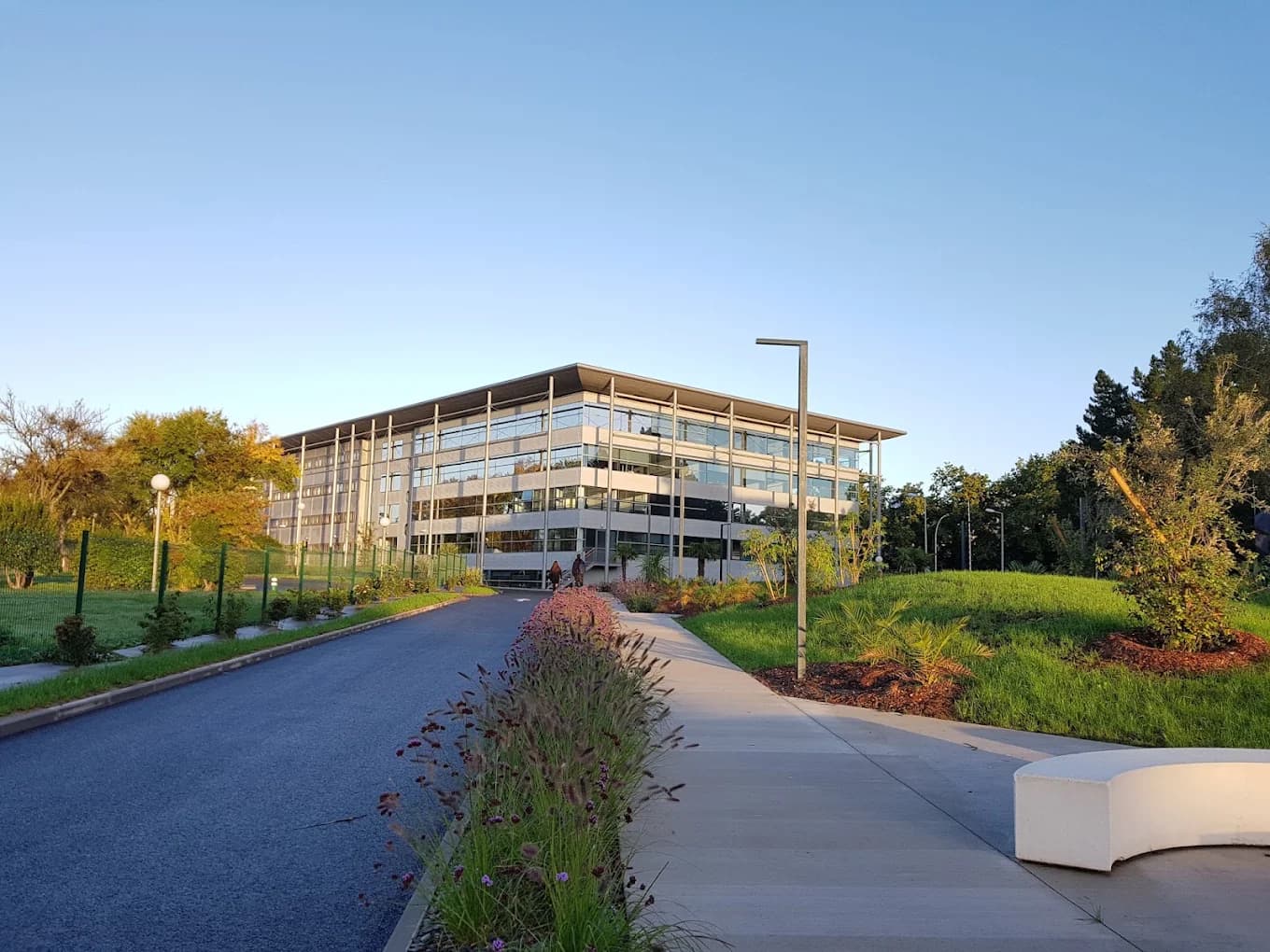
Rennes School of Business
Rennes, France
Private business school
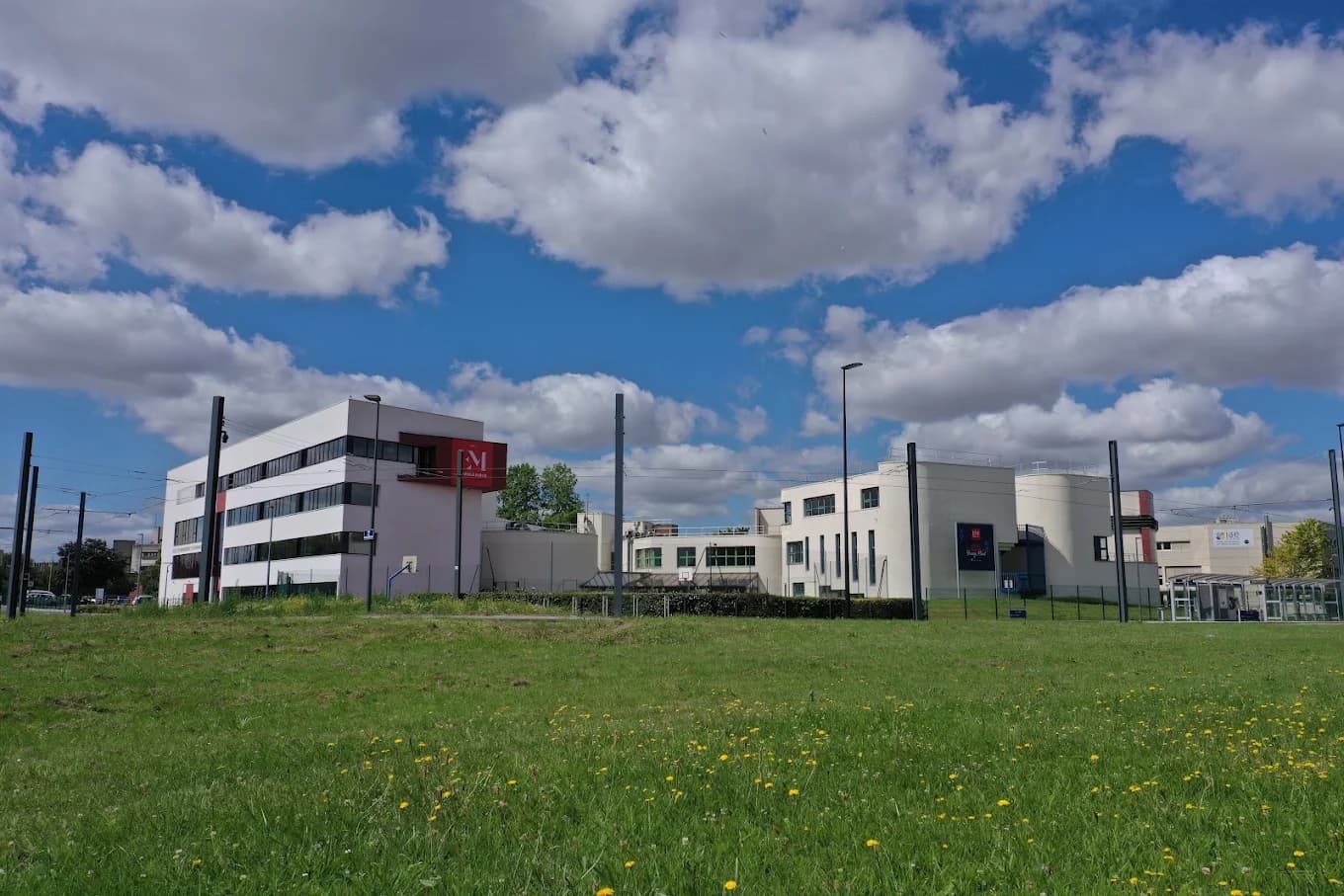
EM Normandie Business School
Le Havre / Caen / Paris, France
Private business school
Frequently asked questions
Working on a project at IPAG Business School?
Share your topic, your program's guidelines and your deadline on WhatsApp, and we'll help from there.
We are not affiliated with, endorsed by, or acting on behalf of IPAG Business School.
Last reviewed: 2026-09-01