
Kyoto University
Research masters and PhD, scholarship route
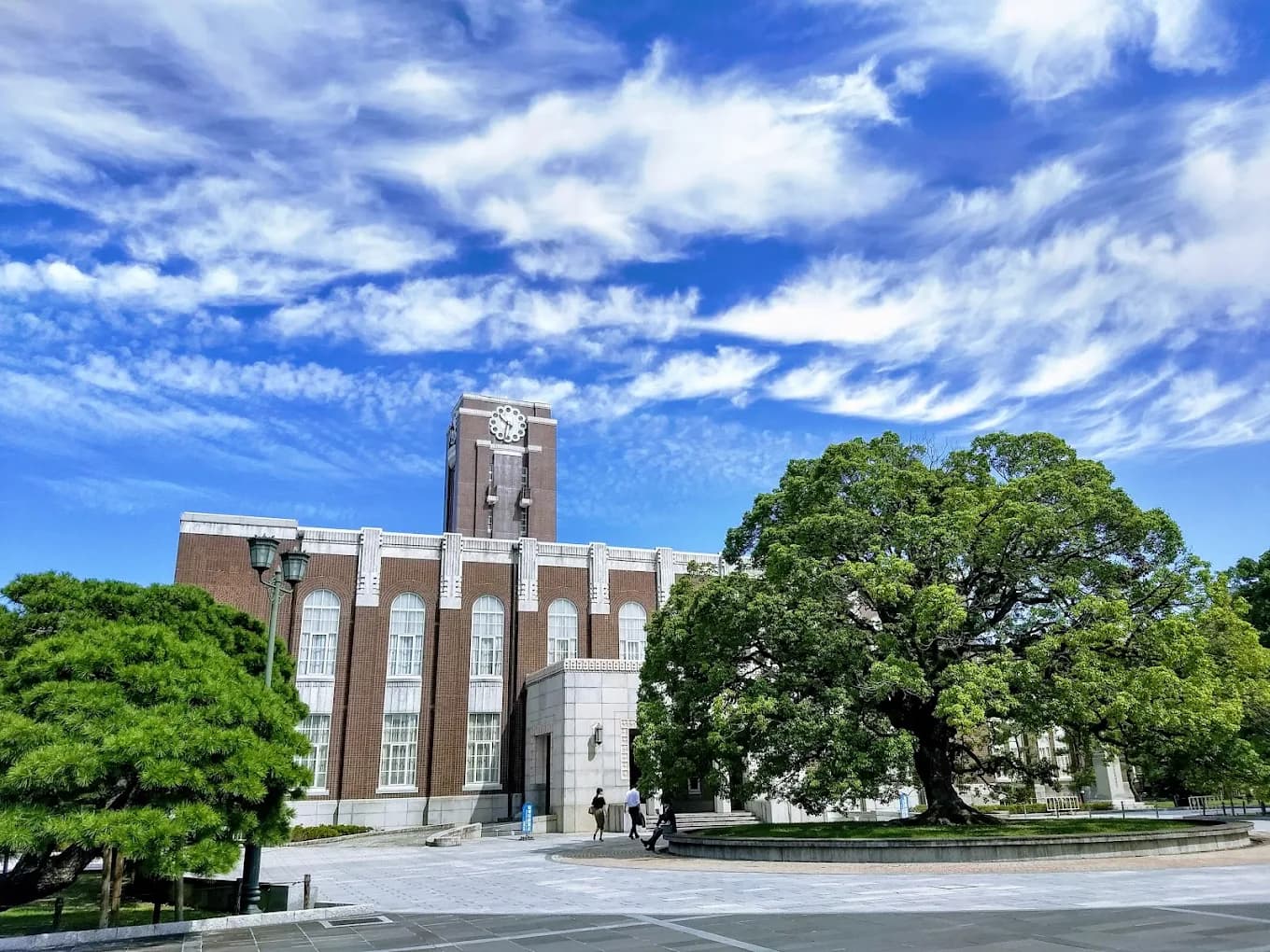
How a thesis is typically structured
It helps to think of the standard thesis structure less as a checklist and more as a chain of argument, where each chapter has to earn the next. The introduction states a question worth answering; the literature review shows that question hasn't already been answered, which is what justifies the methodology chapter's choices about how to answer it. Results then report what was actually found — deliberately kept separate from the discussion, which is where those findings get interpreted and connected back to the literature. The conclusion closes the loop by returning to the original question with an answer the reader can trace, step by step, all the way back to the introduction. Reviewers at public research universities are usually testing whether that chain holds, not just whether the twelve expected sections are present.
Citation and referencing norms
Reference managers like Zotero, Mendeley or EndNote are widely used to keep citation formatting consistent across a long document, especially once a thesis runs to several dozen sources across multiple chapters written weeks apart. They reduce repetitive formatting work, but they don't replace understanding the target style — auto-generated citations still need a final manual check, particularly for edge cases like sources with no listed author, multiple editions, or online-only material.
Whichever style your program requires, the underlying discipline — APA, IEEE, Harvard, Vancouver or another — is usually the more reliable clue than the country a university is based in.
General thesis-writing tips
A handful of habits tend to separate a manageable thesis project from a stressful one, regardless of subject or program:
- •Start early — even a rough outline weeks before you have to, beats a blank page the week you don't
- •Keep a running reference list from the first source you read, not a pile to sort out later
- •Write the methodology chapter while the decisions are still fresh, rather than reconstructing them from memory months later
- •Draft results and discussion as separate passes — report what you found first, interpret it second
- •Revise in structural passes before line-level passes — fix what each chapter argues before you polish how it's worded
How we support students at this institution
Because Kyoto University sets its own requirements — and only Kyoto University can tell you what those are — our role is to work carefully within whatever you provide. In practice, that means asking for your program handbook, formatting guide or citation requirements up front, and building your draft around those documents plus any direction your supervisor has already given, which is a workable approach across public research universities generally, not something specific to any one school.
What affects thesis complexity at this level
Complexity in a thesis rarely comes from length alone — it comes from what the methodology has to justify. Programs with a strong technical or scientific component typically require more defense of the analysis method itself (why this statistical test, why this dataset, why this experimental design), while programs with an applied or business orientation typically require more defense of the framing (why this case, why this context, why this recommendation follows from the evidence).
Based on what's typically studied here — Research masters and PhD, scholarship route — it's worth discussing with your supervisor early which of these two demands your specific thesis leans toward, since it changes how you should be spending your research time.
Formatting and submission norms
It's worth treating formatting as its own checklist, separate from the writing itself: margin size, spacing, font and size, page numbering style (and where numbering starts), heading levels, table and figure numbering, and the required file format for submission (PDF is common, but not universal) can all be specified by a program and easy to miss until late in the process.
Submission method is a similar case — electronic-only submission, printed and bound copies, or both, is decided by the institution or program, not by general convention, so it's worth confirming before you're near a deadline rather than after.
Explore related universities
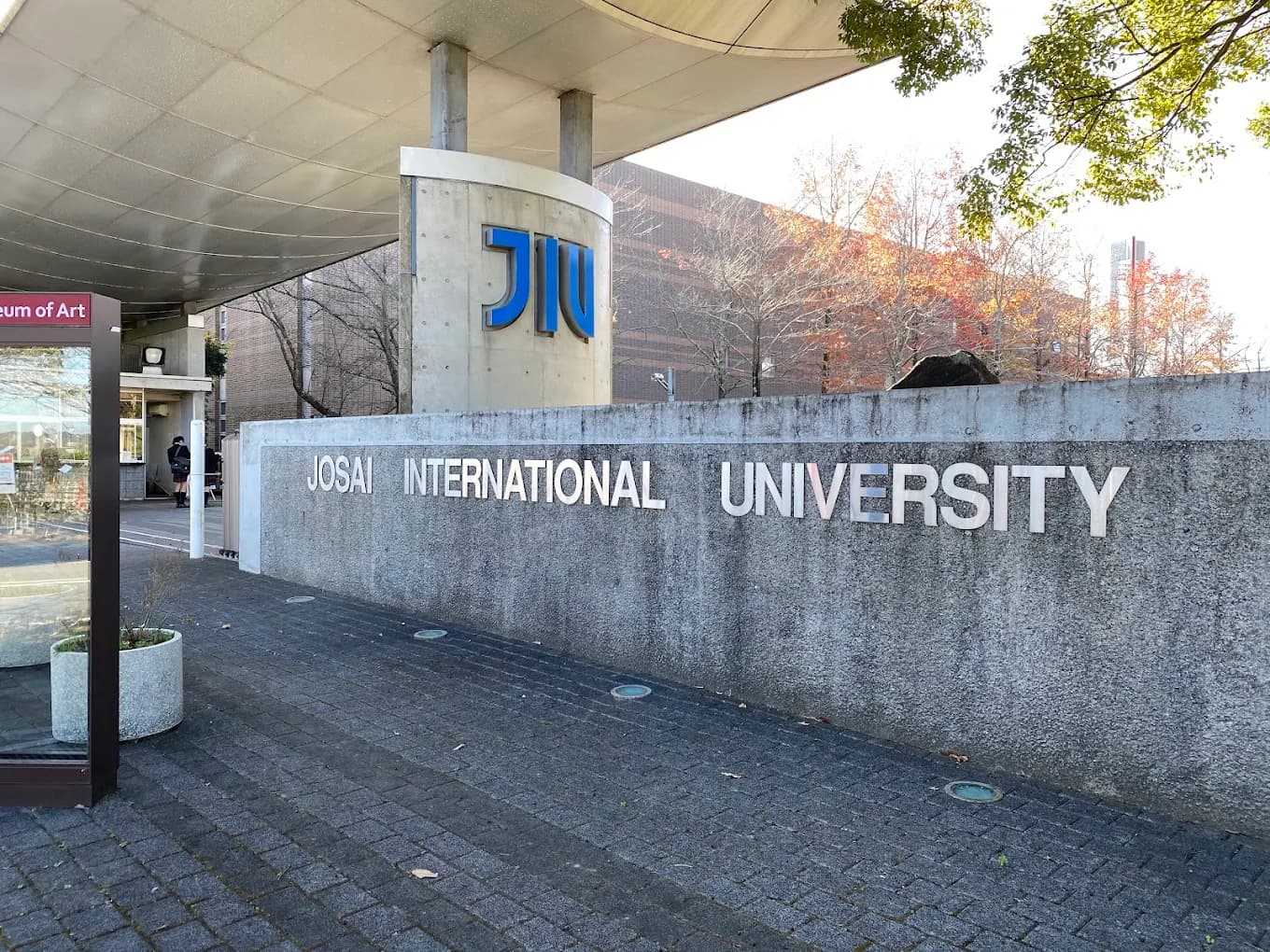
Josai International University
Chiba, Japan
Private
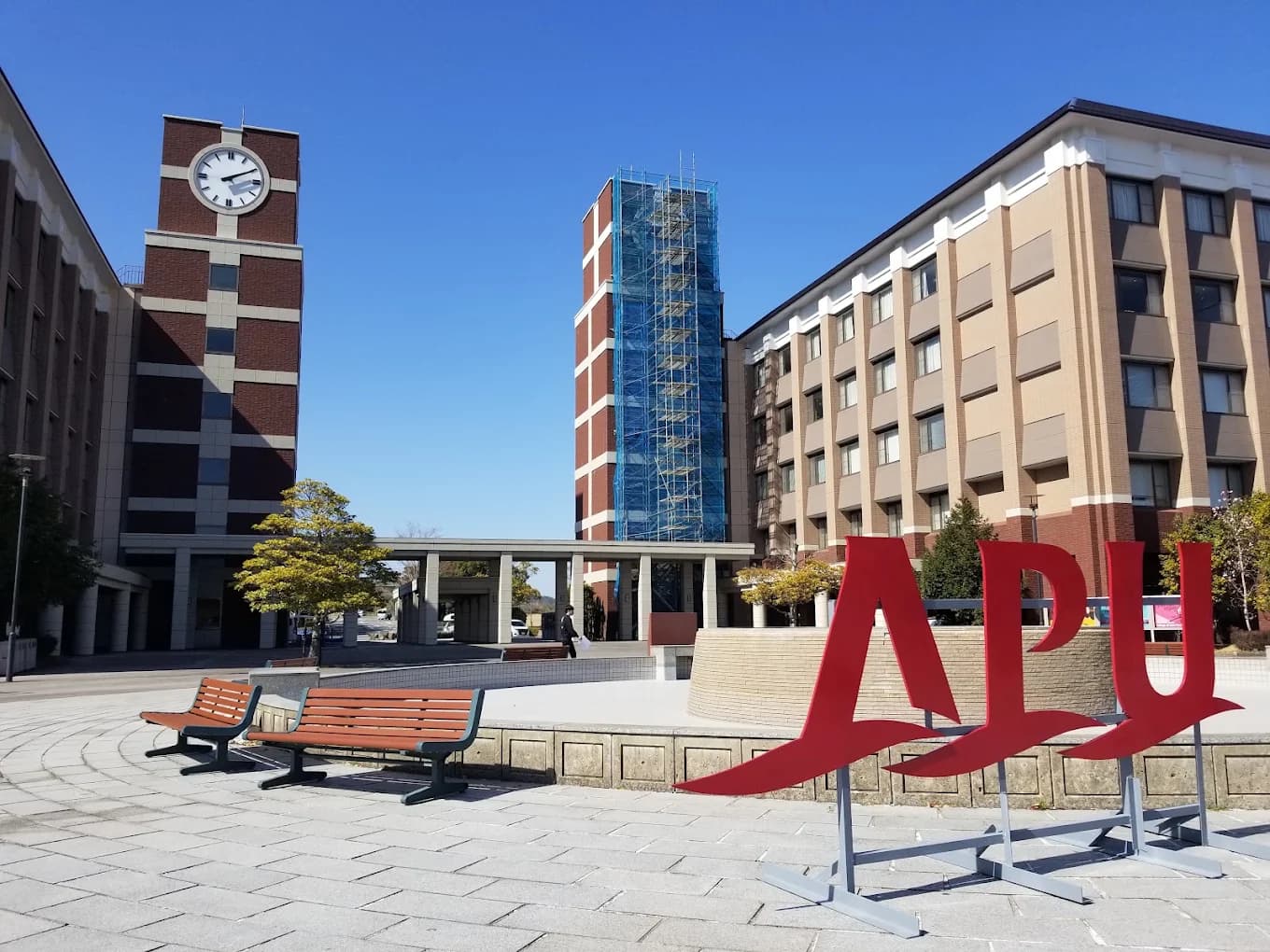
Ritsumeikan Asia Pacific University (APU)
Beppu, Oita, Japan
Private
Tokyo International University
Kawagoe, Saitama, Japan
Private
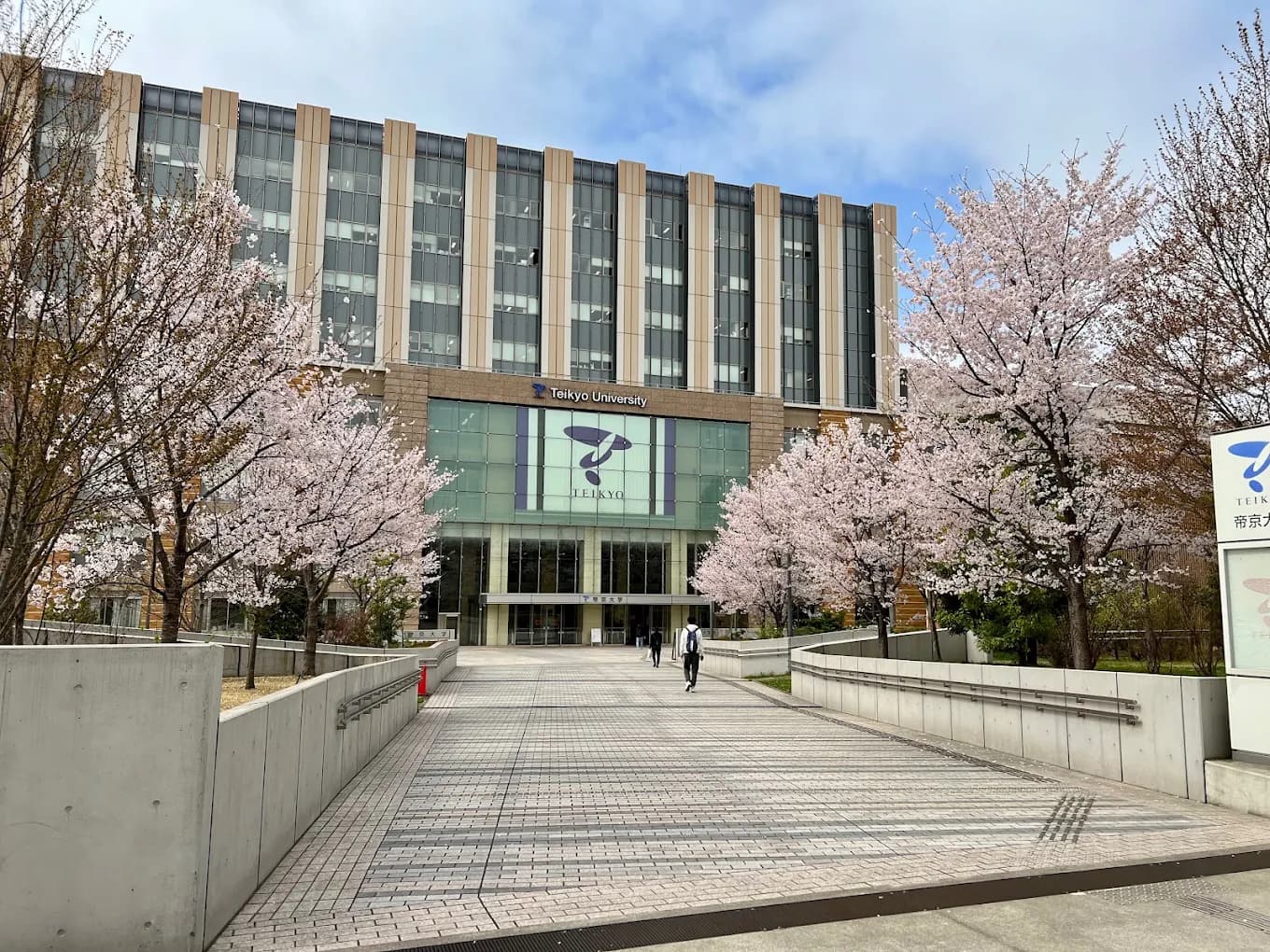
Teikyo University
Tokyo, Japan
Private
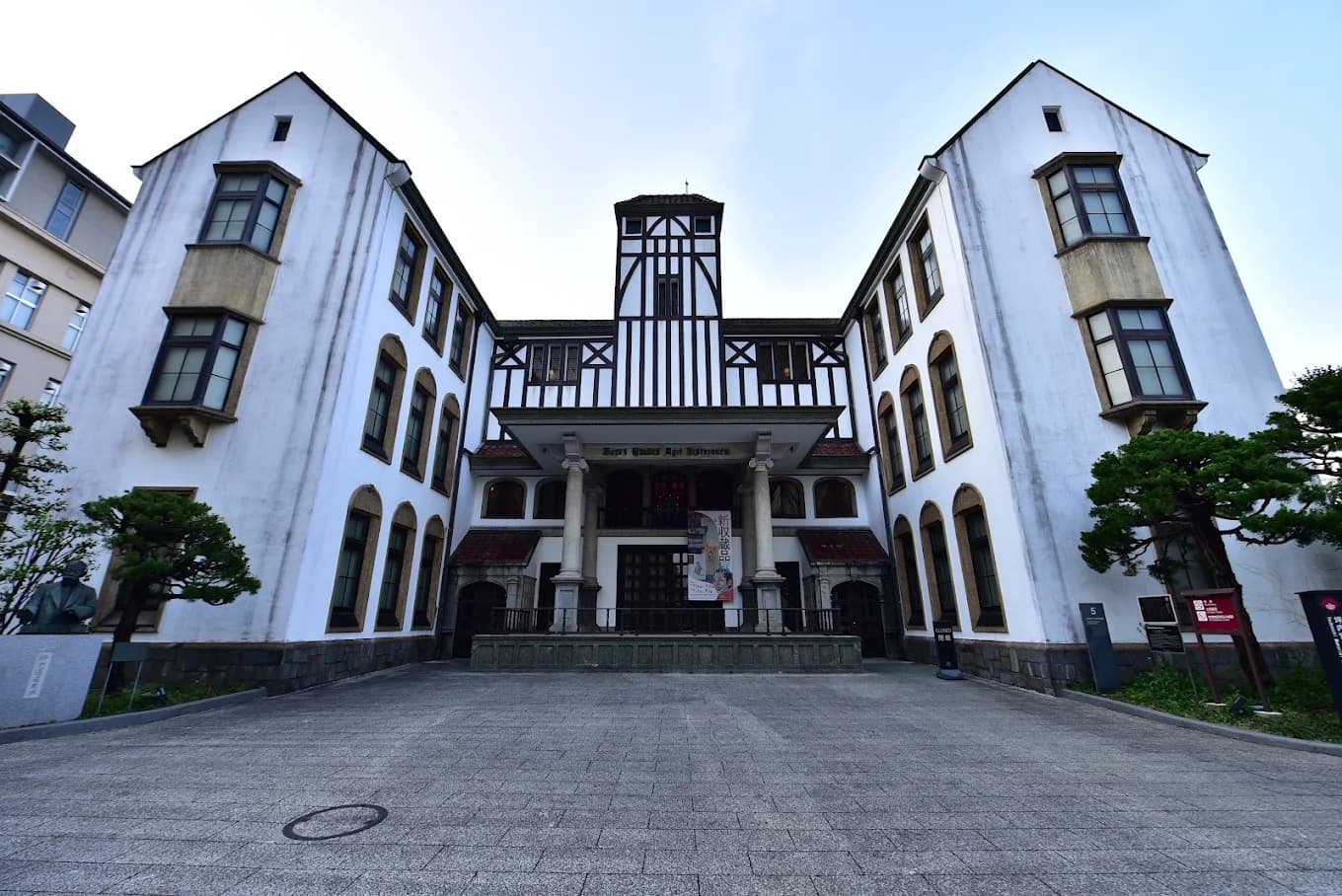
Waseda University
Tokyo, Japan
Private research

University of Tsukuba
Tsukuba, Ibaraki, Japan
National
Frequently asked questions
Working on a project at Kyoto University?
Share your topic, your program's guidelines and your deadline on WhatsApp, and we'll help from there.
We are not affiliated with, endorsed by, or acting on behalf of Kyoto University.
Last reviewed: 2026-09-01