
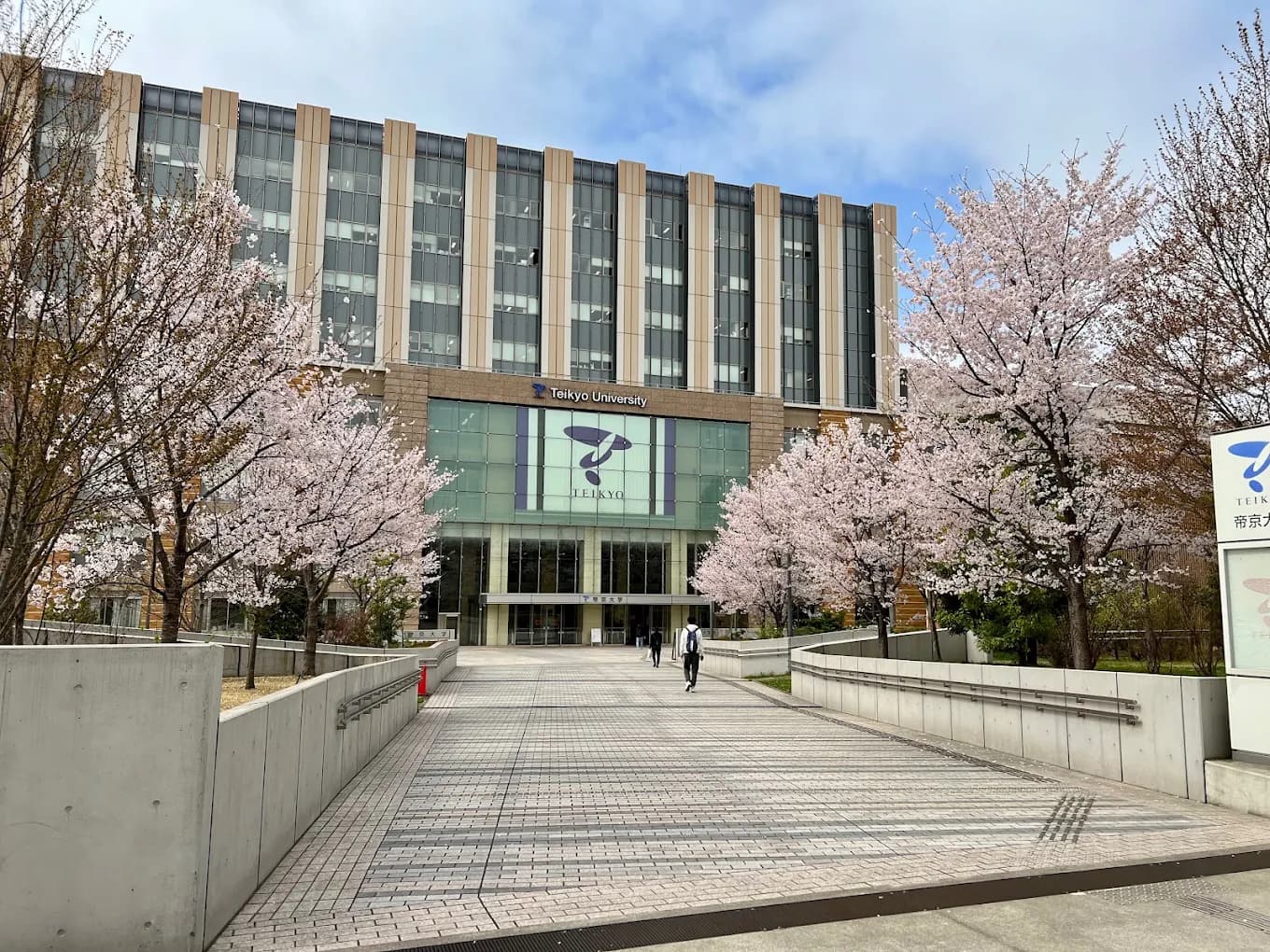
Teikyo University
Undergraduate business, economics
How a thesis is typically structured
A thesis committee at private institutions is usually reading for a specific shape, even before they get to your actual argument. The roughly twelve parts below are the shape most reviewers expect, each doing one clear job:
- •Title Page — identifies the work, author and program
- •Abstract — summarizes the question, method and findings in miniature
- •Acknowledgements — credits supervisors, funders and support
- •Table of Contents — maps the document for the reader
- •Introduction — frames the problem and states the research question
- •Literature Review — shows what's already known and where the gap is
- •Methodology — explains how the research was actually carried out
- •Results — reports what was found, without interpreting it yet
- •Discussion — explains what the results mean and why it matters
- •Conclusion — answers the original question and notes limitations
- •References — lists every source cited in the text
- •Appendices — holds supporting material that would clutter the main text
Citation and referencing norms
The referencing problems that show up most often in thesis drafts are mechanical rather than conceptual: a source cited in the text but missing from the reference list (or vice versa), inconsistent formatting of the same source type across entries, missing page numbers on direct quotations, and citation styles that quietly drift partway through a long document as chapters get written at different times.
A short verification pass before submission — checking that every in-text citation has a matching reference-list entry, and that one style is applied consistently throughout — catches most of this without needing to re-read the whole thesis line by line.
General thesis-writing tips
A few patterns account for a disproportionate amount of lost thesis time: rereading sources because citation details weren't captured the first time, rewriting an introduction repeatedly before the research it introduces is actually finished, and trying to fix grammar and structure in the same editing pass.
The fix for each is roughly the same idea — capture details once, in the right order: log full citations as you read; draft the introduction properly only after the analysis and discussion are largely settled, since it needs to describe the thesis you actually wrote; and revise structure and evidence before you touch sentence-level wording, since a paragraph that gets cut doesn't need its grammar fixed first.
How we support students at this institution
Support here works the same way no matter which of the private institutions a student is enrolled at: we're not affiliated with Teikyo University and don't claim to know its internal policies, but we are experienced with the general shape of thesis work at institutions like it. When you send over your program's official guidelines and any notes from your supervisor, that becomes the actual brief we work from — not assumptions about what your university might expect.
What affects thesis complexity at this level
Undergraduate business, economics is a reasonable description of the kind of work students at this institution are commonly pursuing, and program type is one of the clearest predictors of what a thesis here will actually demand. Technical and STEM-leaning programs typically require more rigor in the methodology chapter — data collection procedures, analysis technique, validity — while business- or applied-field programs more often require rigor in framing: picking a case or context that's genuinely worth analyzing, and building an argument from it that goes beyond description.
Formatting and submission norms
Formatting requirements — margins, line spacing, font, pagination, and whether a thesis is submitted electronically, in print, or both — vary considerably between institutions, and often between programs at the same institution. There is no single universal standard, even though many programs converge on broadly similar defaults (1-inch margins, double or 1.5 line spacing, a numbered contents page).
This page describes general academic norms, not a specific formatting requirement — your own university's thesis handbook or formatting guide is the authoritative source, and it should always take precedence over anything general written here.
Explore related universities

Frequently asked questions
Working on a project at Teikyo University?
Share your topic, your program's guidelines and your deadline on WhatsApp, and we'll help from there.
We are not affiliated with, endorsed by, or acting on behalf of Teikyo University.
Last reviewed: 2026-09-01