
Technological University Dublin
Engineering, computing, hospitality
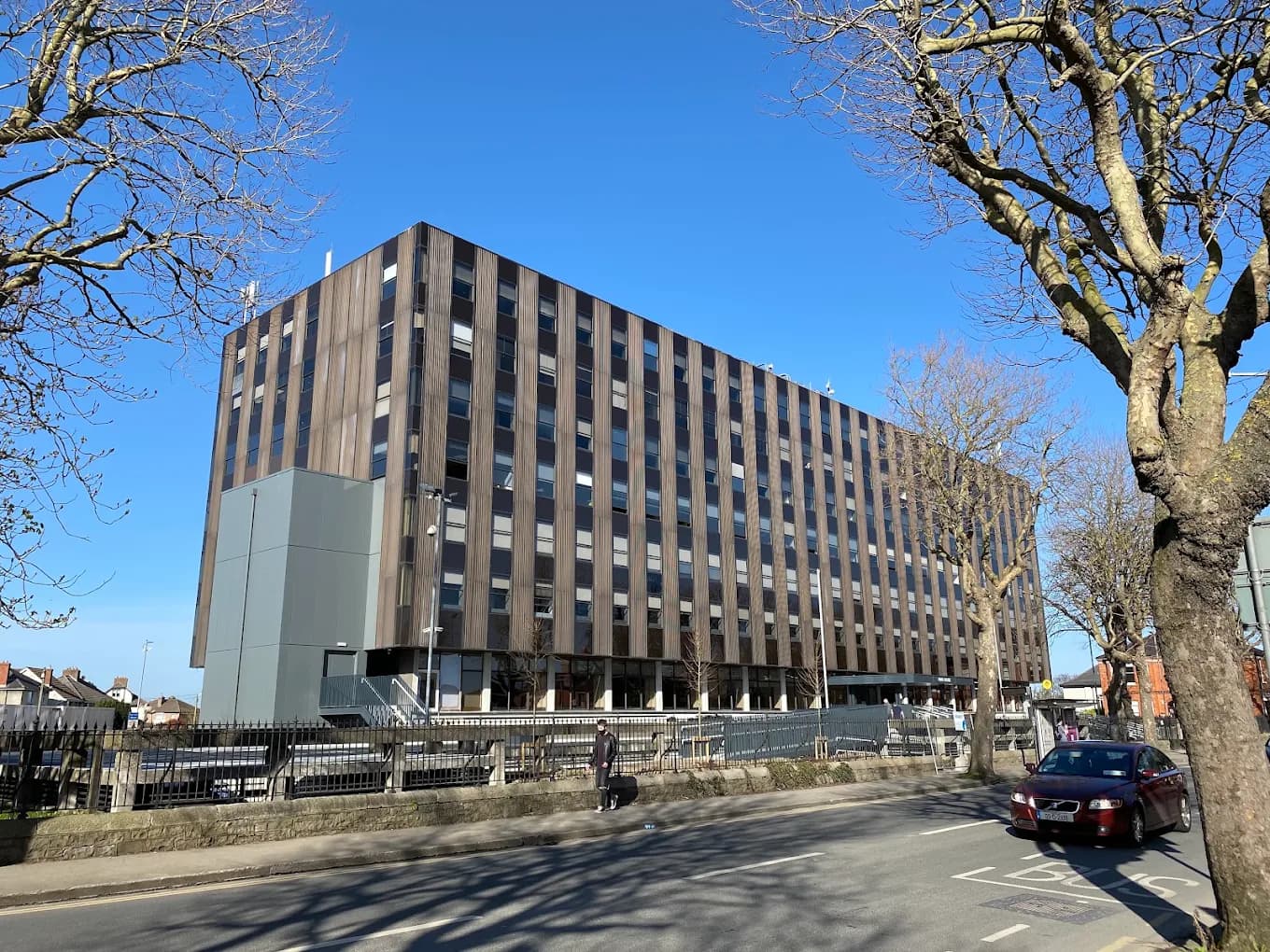
How a thesis is typically structured
It helps to think of the standard thesis structure less as a checklist and more as a chain of argument, where each chapter has to earn the next. The introduction states a question worth answering; the literature review shows that question hasn't already been answered, which is what justifies the methodology chapter's choices about how to answer it. Results then report what was actually found — deliberately kept separate from the discussion, which is where those findings get interpreted and connected back to the literature. The conclusion closes the loop by returning to the original question with an answer the reader can trace, step by step, all the way back to the introduction. Reviewers at public institutions are usually testing whether that chain holds, not just whether the twelve expected sections are present.
Citation and referencing norms
Referencing conventions tend to cluster by region as much as by subject. Harvard referencing is common, similar to conventions across other Commonwealth-influenced higher-education systems.
That said, region is only a loose signal — plenty of programs deliberately follow international norms for their field regardless of where the university sits, particularly in STEM subjects where a single dominant convention (like IEEE) tends to travel across borders.
General thesis-writing tips
A handful of habits tend to separate a manageable thesis project from a stressful one, regardless of subject or program:
- •Start early — even a rough outline weeks before you have to, beats a blank page the week you don't
- •Keep a running reference list from the first source you read, not a pile to sort out later
- •Write the methodology chapter while the decisions are still fresh, rather than reconstructing them from memory months later
- •Draft results and discussion as separate passes — report what you found first, interpret it second
- •Revise in structural passes before line-level passes — fix what each chapter argues before you polish how it's worded
How we support students at this institution
If you're at Technological University Dublin, the most useful thing you can send us isn't a description of the university — it's your program's own paperwork: the thesis handbook, formatting rules, and anything your supervisor has already flagged. We use that directly, the same way we would for any student at public institutions. We're independent of Technological University Dublin and don't represent institutional knowledge we don't have, but we can absolutely work carefully from the requirements you do have in hand.
What affects thesis complexity at this level
Thesis scope tends to track the kind of program a student is in more than almost anything else. Given the programs typically associated with this institution — Engineering, computing, hospitality — a thesis here plausibly sits somewhere on a spectrum from data- and methodology-heavy (common in technical, engineering or computing programs) to applied and case-study-driven (common in business, management and other professionally oriented fields). Knowing roughly where your own program sits on that spectrum is more useful early on than any generic length or difficulty guideline.
Formatting and submission norms
It's worth treating formatting as its own checklist, separate from the writing itself: margin size, spacing, font and size, page numbering style (and where numbering starts), heading levels, table and figure numbering, and the required file format for submission (PDF is common, but not universal) can all be specified by a program and easy to miss until late in the process.
Submission method is a similar case — electronic-only submission, printed and bound copies, or both, is decided by the institution or program, not by general convention, so it's worth confirming before you're near a deadline rather than after.
Explore related universities
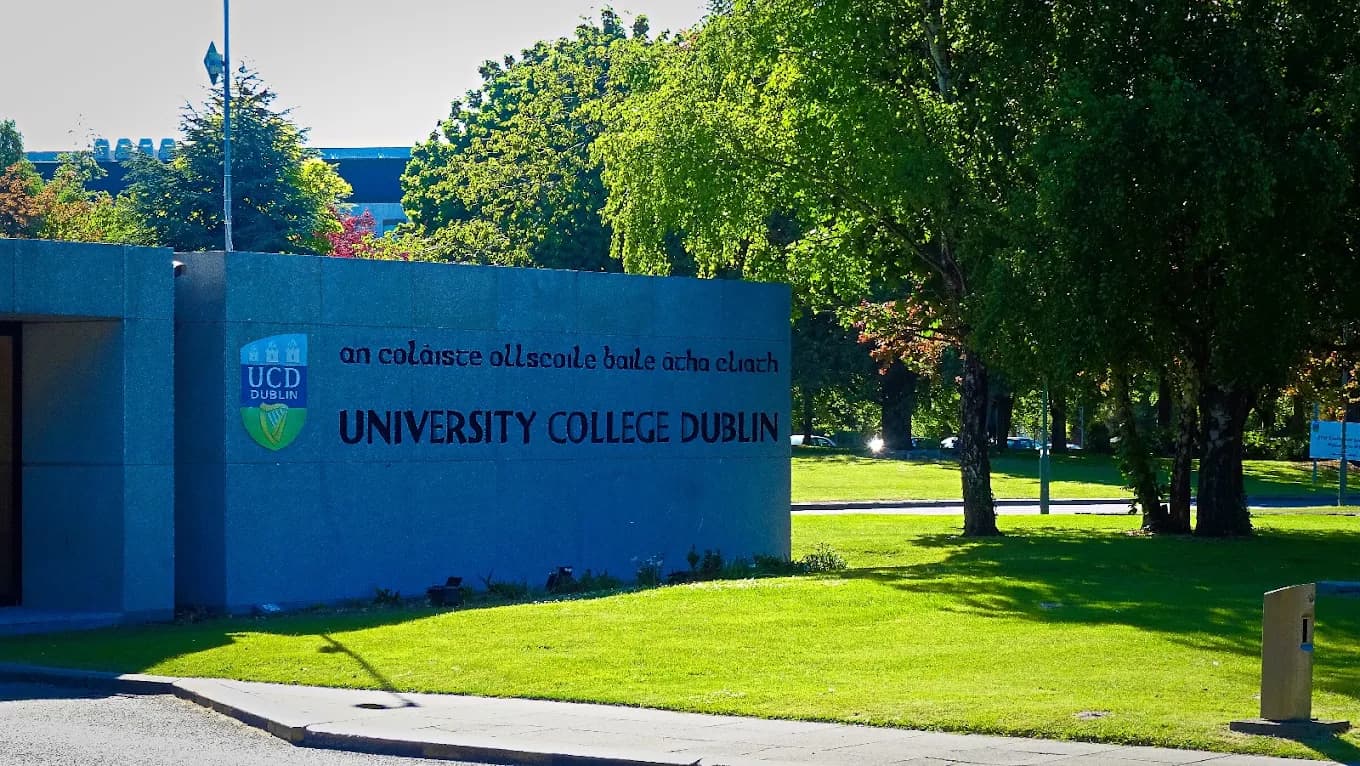
University College Dublin
Dublin, Ireland
Public research
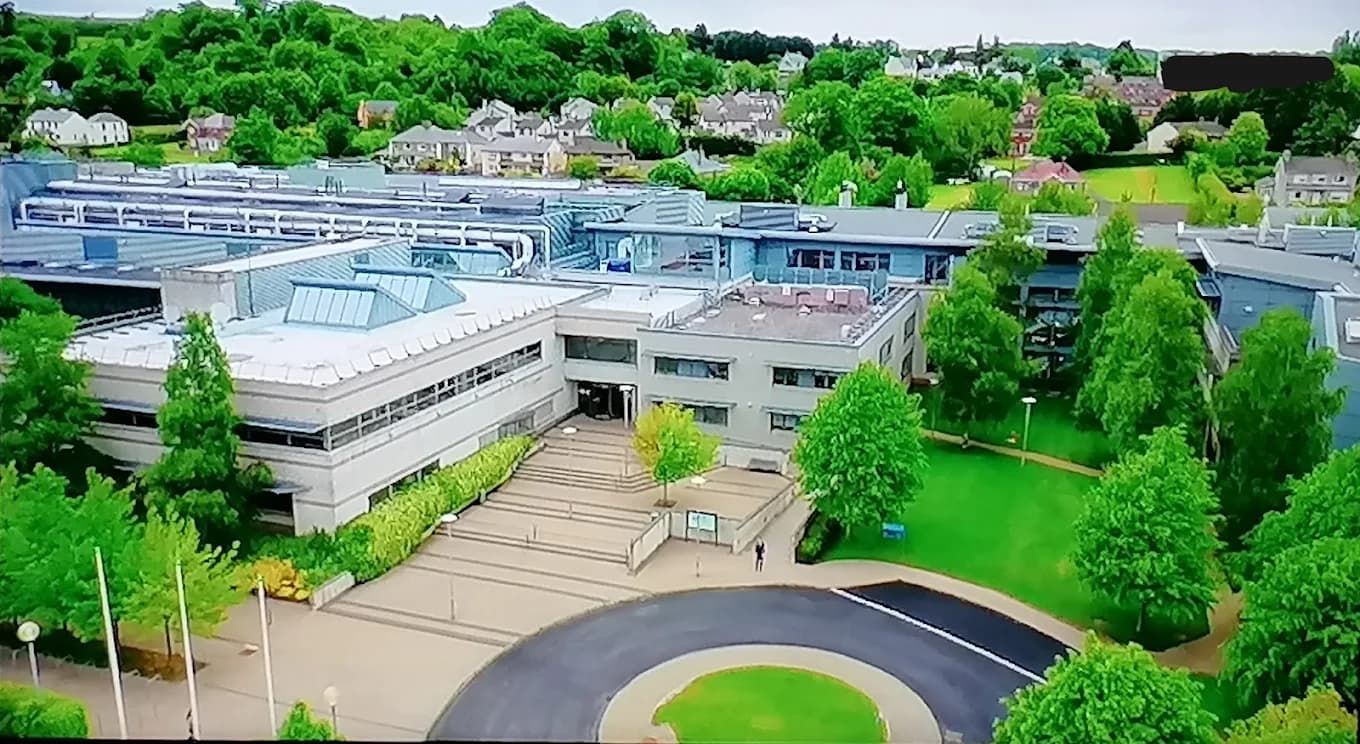
Atlantic Technological University
Galway / Sligo / Letterkenny, Ireland
Public
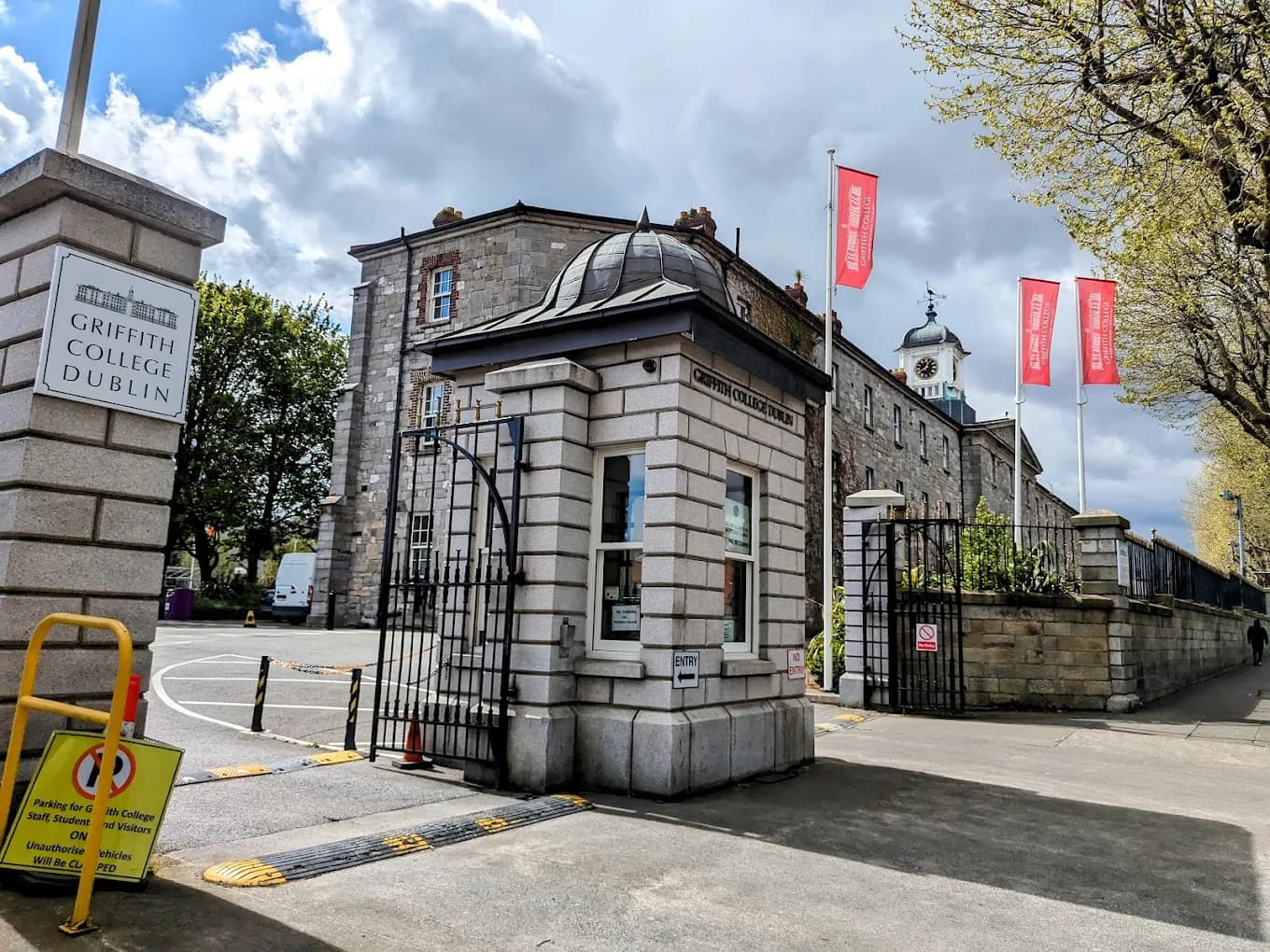
Griffith College
Dublin / Cork / Limerick, Ireland
Private
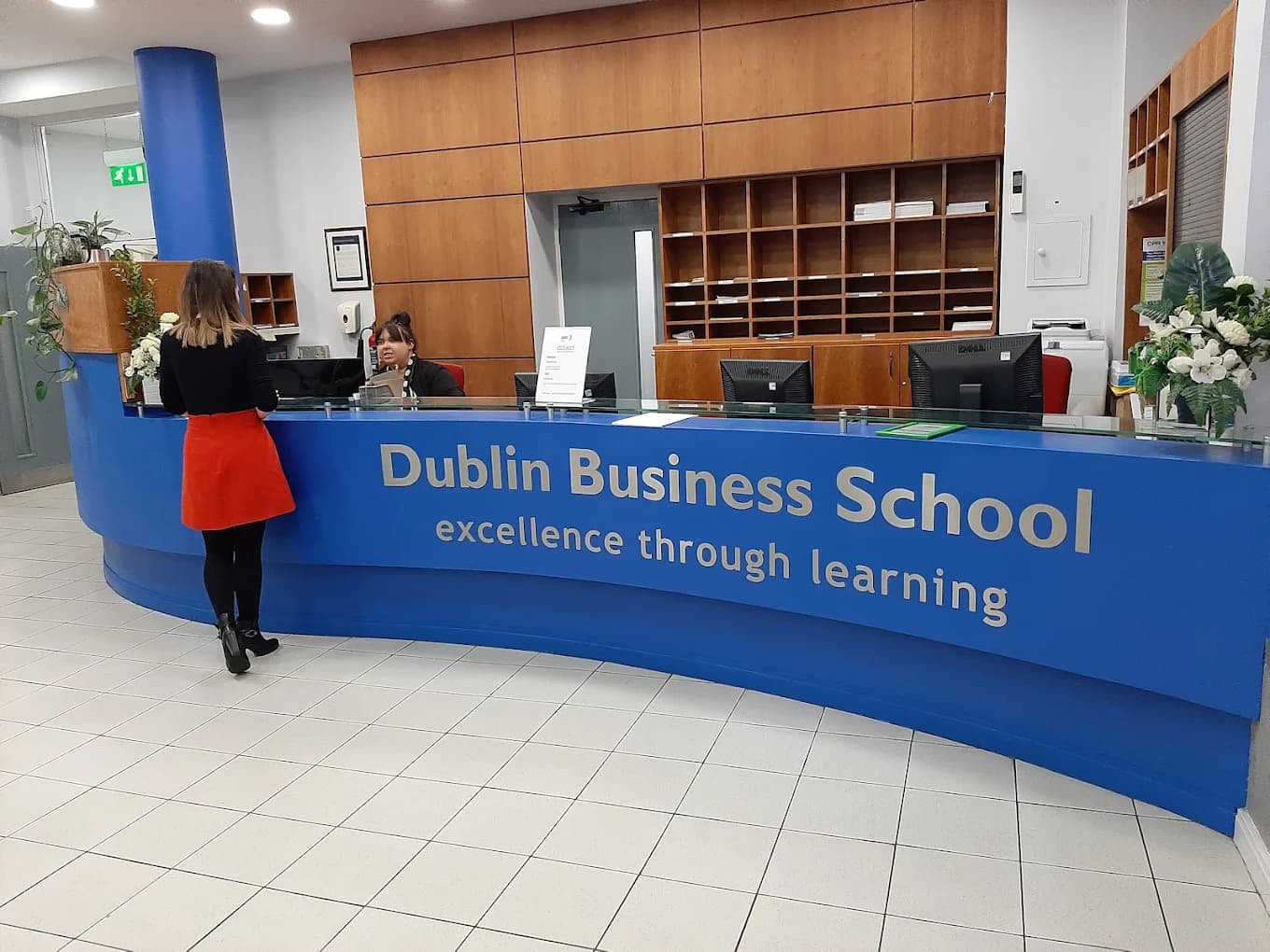
Dublin Business School
Dublin, Ireland
Private
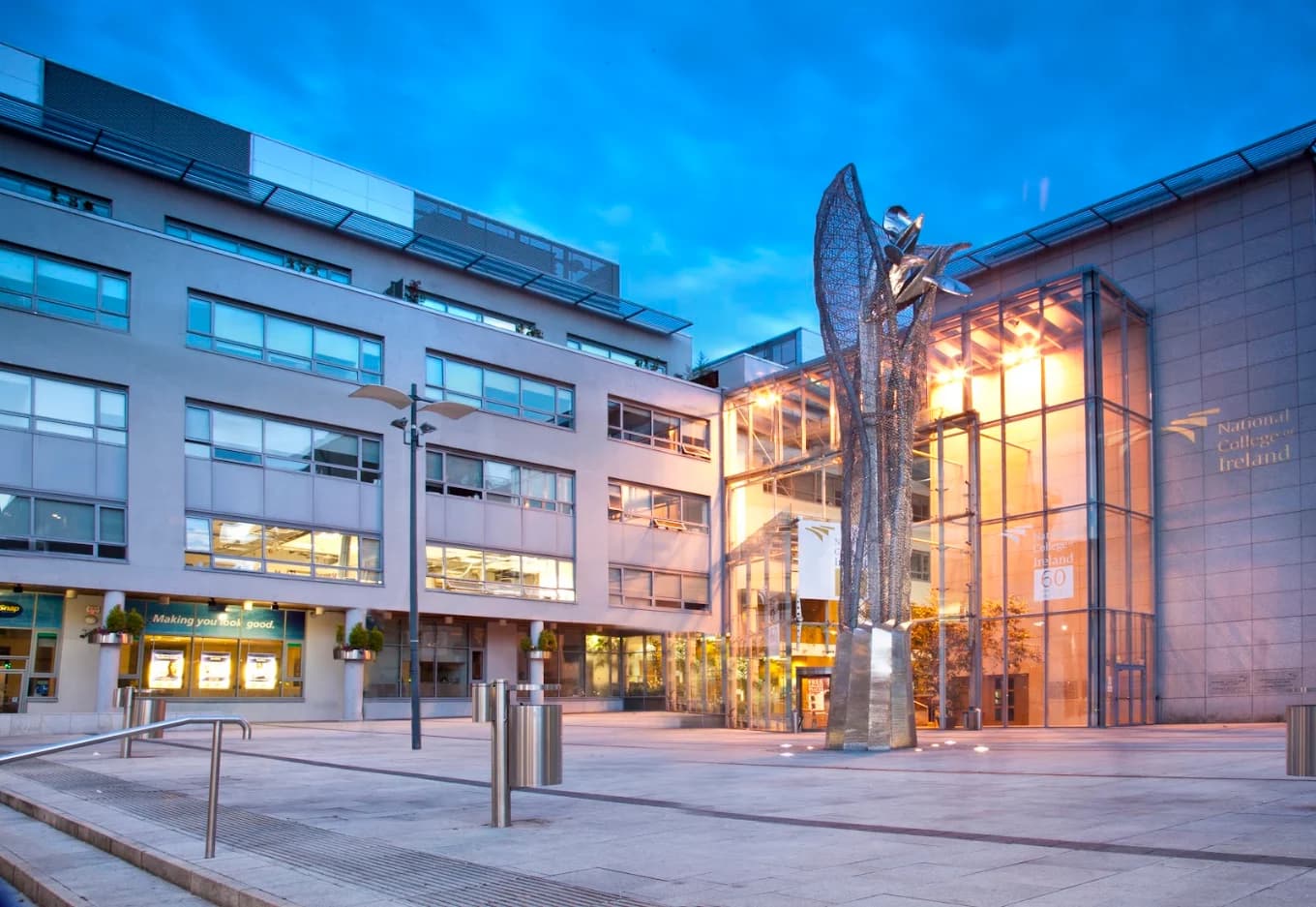
National College of Ireland
Dublin, Ireland
Private not-for-profit

University of Limerick
Limerick, Ireland
Public
Frequently asked questions
Working on a project at Technological University Dublin?
Share your topic, your program's guidelines and your deadline on WhatsApp, and we'll help from there.
We are not affiliated with, endorsed by, or acting on behalf of Technological University Dublin.
Last reviewed: 2026-09-01