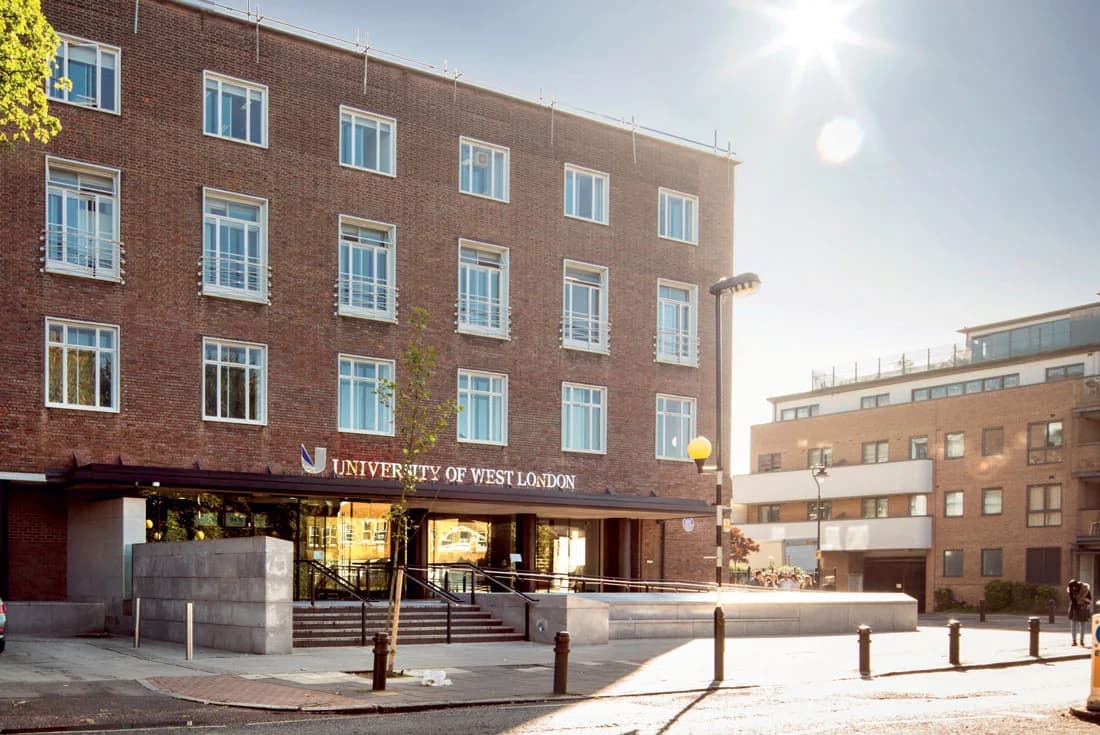
UWL's research degrees are governed by its Postgraduate Research Regulations, and the structure differs from what many applicants expect.
You start on MPhil
All doctoral students must submit an application to register to the University Research Degrees Sub-Committee (URDSC). Students initially register as MPhil before transferring to Doctorate status.
This is the single most important structural fact about studying here. You are not admitted to a PhD and then confirmed; you are admitted to an MPhil and must earn the transfer.
Practically, that reframes the first half of your degree. The transfer is not a progress review you pass by showing you have been busy. It is an application supported by a substantial piece of writing, and the URDSC formally approves it.
What transfer requires
A partial thesis of three to four chapters, including the data collected so far and preliminary data analysis, in the region of 30,000 words.
With two variations:
| Situation | Partial thesis length |
|---|---|
| Standard written thesis | ~30,000 words |
| Written thesis accompanied by other material | ~20,000 words |
| Professional Doctorate | ~20,000 words |
Thirty thousand words with real data and preliminary analysis is a significant undertaking, roughly a third of a finished thesis. Candidates who treat the first eighteen months as reading and scoping tend to find this deadline arrives with nothing draftable.
The practical implication: start writing chapters early. Not notes, not a literature review you intend to rewrite, but chapters in something close to final form.
The transfer panel
The presentation and viva are conducted in front of a panel consisting of the candidate's supervisor(s) and the internal assessor. The panel provides a report for the URDSC, which formally approves the transfer.
So there is a viva before the viva. It is internal, but it is a real oral examination of your work so far.
Timing
| Milestone | Full time | Part time |
|---|---|---|
| Apply to transfer by | 24 months | 48 months |
A typical progression: formal registration complete within 6 to 9 months, transfer within 18 to 24 months, submission and viva within 36 to 48 months.
Registration periods, including a minimum
This is the other thing to know before you plan.
| Route | Minimum | Maximum |
|---|---|---|
| PhD, full time | 33 months | 48 months |
| PhD, part time | 45 months | 72 months |
| PhD by Prior Publication or Portfolio | 12 months | 24 months |
Most universities publish maximum periods. UWL publishes minimums too, and they bind. A full-time candidate cannot submit at 24 months however far along the work is: 33 months is the floor.
If you are funded, employed elsewhere from a fixed date, or on a visa tied to your programme, work from both ends of that range rather than only the maximum.
A PhD generally lasts three to four years full time or six years part time.
Examination
The examination will be conducted by a minimum of two, and normally a maximum of three examiners. At least one examiner must be an external examiner.
The oral examination normally takes place within two to three months of submission, which is a reasonable and realistic window to plan against.
One humane detail worth knowing:
Doctoral students may be accompanied to the oral examination by their supervisor(s) or their nominee.
If you find the prospect daunting, ask. Having someone in the room who knows the work is permitted.
Outcomes
The panel may recommend:
- Award
- Award with minor amendments
- Award with major amendments
- Resubmission
- MPhil exit award
- No award
The MPhil exit award is the structural counterpart of registering as MPhil in the first place: the qualification you transferred out of remains available as a landing point.
One re-examination only
Only one re-examination is allowed. The re-examination will normally take place within 12 months.
That single attempt is the reason to take your supervisors' judgement about readiness seriously. A resubmission is not a free second draft; it is your last one.
What to confirm rather than assume
The regulations cover process thoroughly but leave presentation open:
- Final thesis word limits for PhD, MPhil and the professional doctorates are not stated in the regulations, unlike the transfer figure
- Formatting: margins, font, line spacing, page size
- Correction deadlines attached to minor and major amendments
- Citation style, a disciplinary matter
- Similarity thresholds and any policy on generative AI use
- Embargo options, though the repository deposit licence sets out the terms of deposit
The final word limit is the important gap. Ask the Graduate School, and note that the 30,000 word transfer document is a useful anchor: a full thesis is substantially more than three or four chapters' worth.
Related regulations worth knowing about
UWL publishes several documents alongside the research regulations that apply to doctoral work: the Academic Offences Regulations, the Exceptional Circumstances Regulations, the Research Ethics Code of Practice, the Research Integrity Code of Practice, and the Intellectual Property Rights Policy.
The exceptional circumstances route is the one to find before you need it. If illness or personal circumstances threaten a transfer or submission deadline, there is a formal process, and it works far better applied in advance than explained afterwards.
Pre-submission checklist
For transfer:
- Three to four chapters drafted to a genuine standard
- Data collected and preliminary analysis done
- Around 30,000 words, or 20,000 if accompanied by other material or a Professional Doctorate
- Applying within 24 months full time, 48 part time
- Prepared for a presentation and viva before supervisors and the internal assessor
For final submission:
- Past the minimum registration period, not just inside the maximum
- Final word limit confirmed with the Graduate School
- Formatting requirements confirmed, since none are in the regulations
- Supervisors genuinely supportive, given only one re-examination is permitted
- Planning for a viva two to three months after submission
- Decided whether to be accompanied at the oral
Where to get help
The Graduate School owns training, support and the practical process. The URDSC approves registration, transfer and examination outcomes. Your supervisors and internal assessor own the judgement at transfer, which is the point where the shape of the rest of your degree is decided.
If the writing itself is the bottleneck, our thesis writing support works through it chapter by chapter, and our PhD thesis help covers doctoral work specifically.