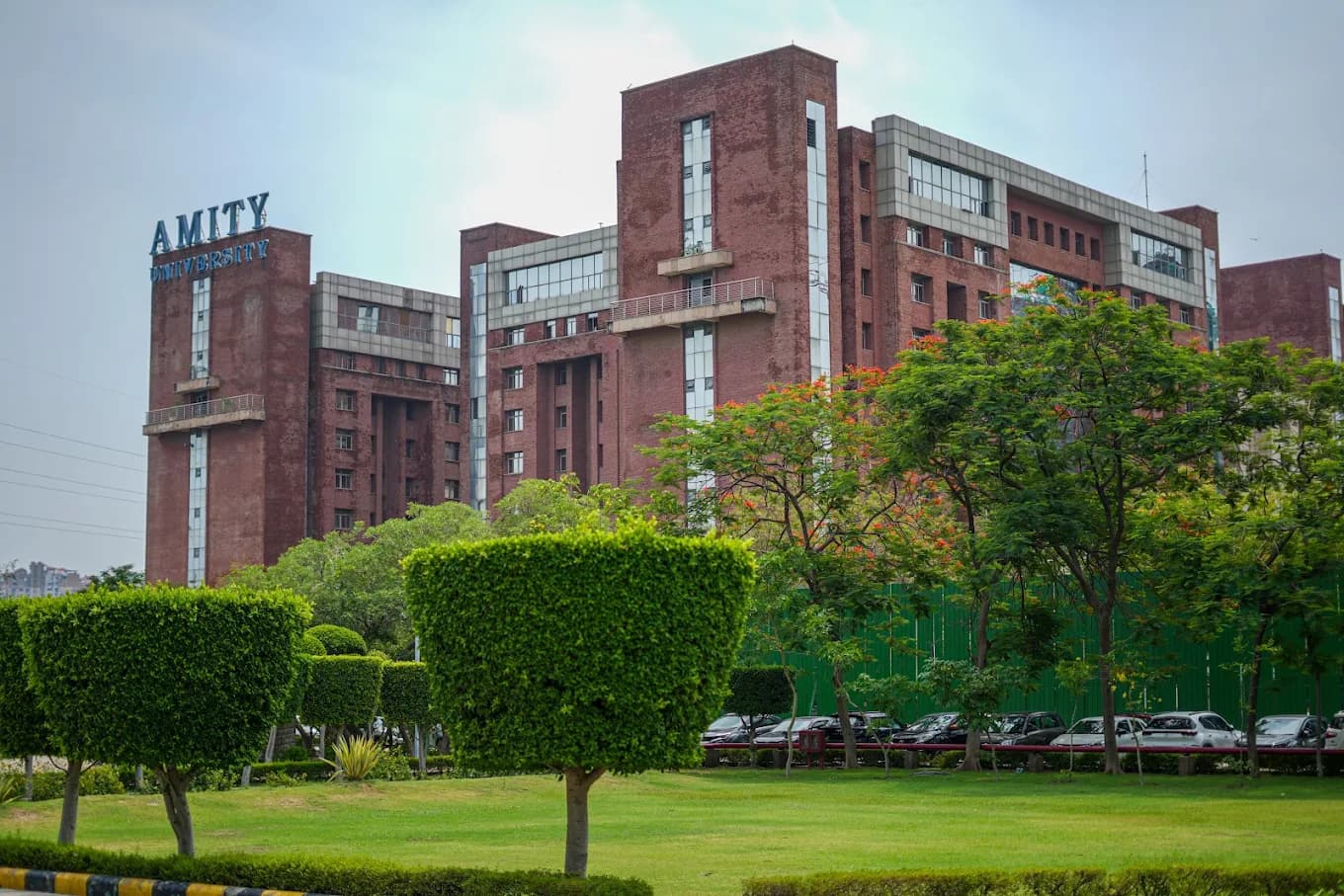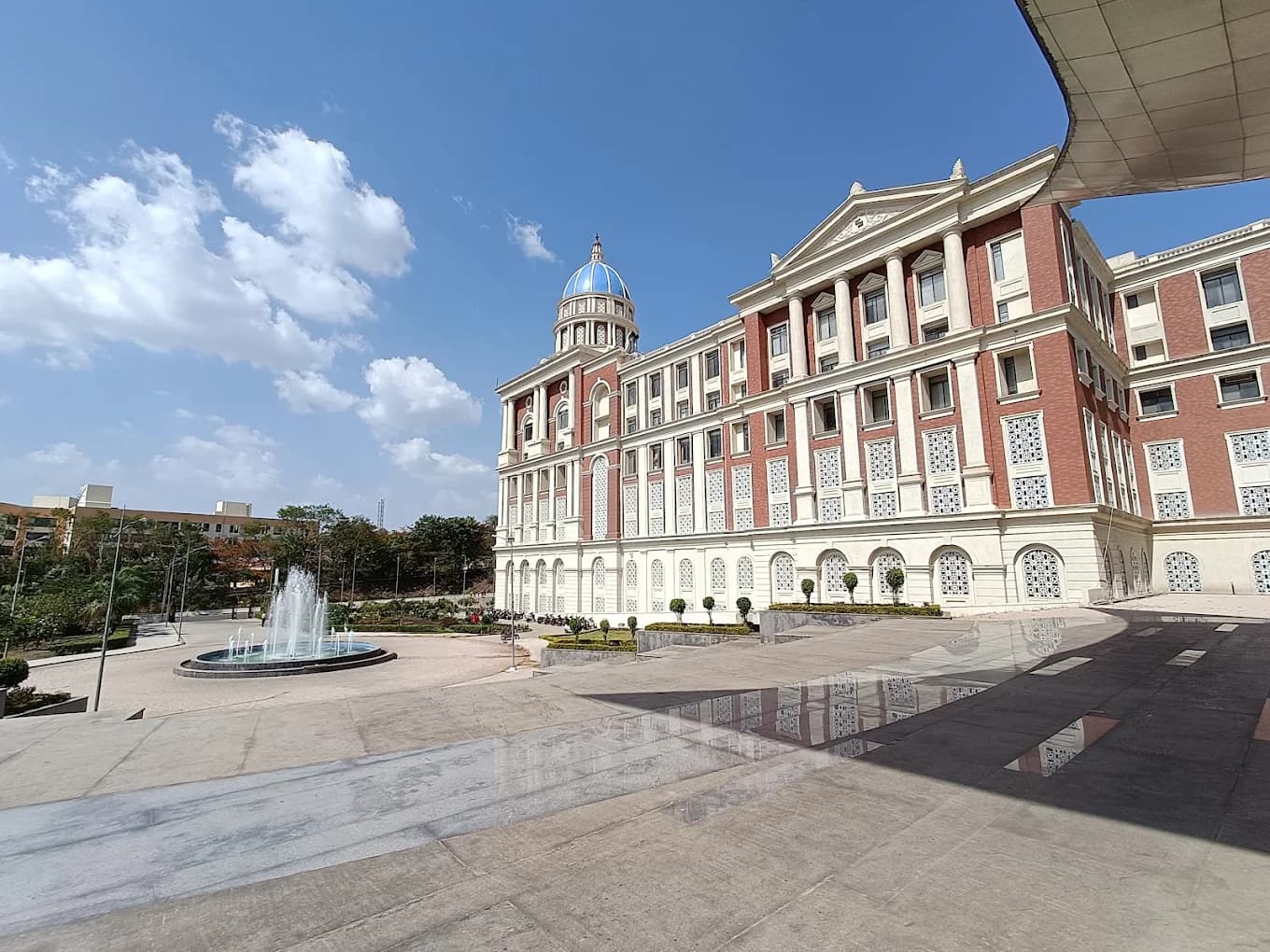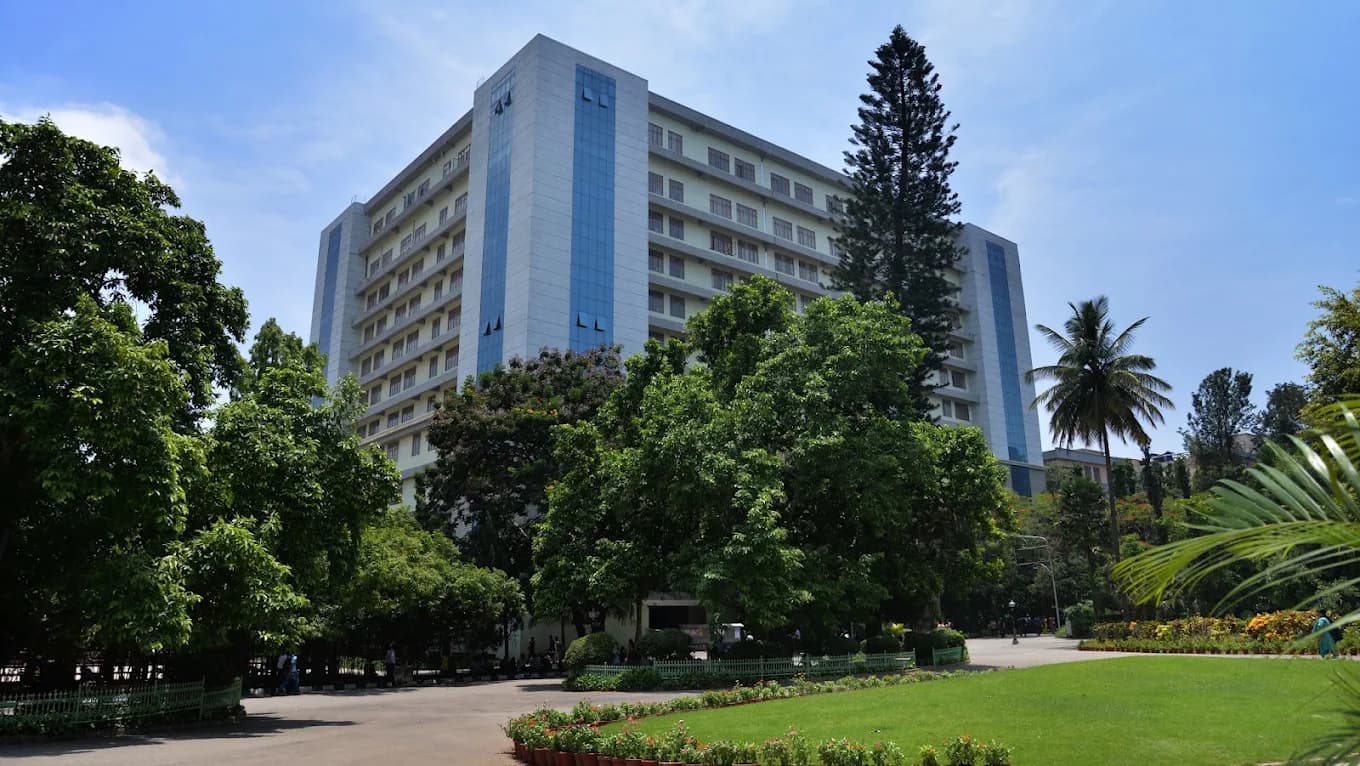
CHRIST (Deemed to be University) runs its doctorate through the Centre for Research. The programme sits inside the UGC 2022 framework described in our Manipal guide, with CHRIST's own regulations on top.
The style guide is chosen for you
Most universities leave citation style to the candidate and supervisor. CHRIST assigns it:
| Style | Suited to |
|---|---|
| APA, 6th edition | Social sciences, commerce, management |
| MLA, 8th edition | Humanities and liberal arts |
| IEEE | Science and engineering |
| Chicago Manual of Style, 17th edition | Disciplines it suits |
Note the edition numbers. APA 6th, not 7th; MLA 8th; Chicago 17th. Reference managers default to the latest edition, which is not necessarily what is required here. Set the style correctly at the start, because converting a full bibliography late is tedious and error-prone.
The abstract follows APA for humanities, social sciences, commerce, management and law, or IEEE for science and engineering.
The page
| Element | Requirement |
|---|---|
| Paper | Standard A4, 85 GSM executive bond |
| Left margin | 1.5 inches (38 mm) |
| Top margin | 1 inch (25 mm) |
| Bottom margin | 1 inch (25 mm) |
| Right margin | 1 inch |
| Binding | Single sided |
| Preliminary pages font | Times New Roman, default size 14 |
| Cover and title page | Times New Roman, size 14 throughout |
The 1.5 inch left margin with single-sided binding is the usual arrangement for a bound thesis: the wide edge always falls on the same side.
Cover and title page
Identical in all respects except the colour of the cover page.
The title is UPPERCASE, bold and centred. Below it, the submission statement, then the scholar's details, then the supervisor's name and academic designation, centred one below the other at 1.0 line spacing.
And a rule that is easy to get wrong:
Academic designation means Assistant Professor, Associate Professor or Professor. Do not place administrative designations such as Director or HOD on the cover page or title page. Also do not prefix the name with Mr., Dr., Prof. and so on.
So your supervisor appears as their academic rank, without honorifics and without whatever administrative role they hold. This is a common reason title pages get sent back.
The abstract
Limited to 350 to 500 words, with a minimum of three keywords at the end.
The page is titled "Abstract", centred, in non-bold sentence case.
A range rather than a ceiling, so an abstract of 300 words is out of compliance just as one of 550 would be.
Appendices
Do not leave appendices unnumbered. Appendices are numbered continuously following references.
The numbering continues from the references rather than restarting, which is the opposite of what many templates do.
Coursework
The final result is weighted 50 percent each for Continuous Internal Assessment (CIA) and the End of Course Examination (ECS), with a minimum pass mark of 50 percent individually.
Both components must independently reach 50 percent. A strong internal assessment does not rescue a weak examination, or the reverse.
Candidates can carry out the literature survey alongside coursework in bridging core subjects and electives, which follows the research methodology coursework.
Doctoral Colloquia
CHRIST builds regular public presentation into the programme:
There shall be at least two Doctoral Colloquia held yearly within the duration of the PhD programme, where scholars make a detailed presentation of their doctoral research work, its conceptual framework and progression.
Candidates are expected to attend at least one colloquium in a research semester (6 months) and give a presentation demonstrating progress.
This is more demanding than a private progress meeting, and more useful. Presenting a conceptual framework to an audience that is not already familiar with your project exposes weaknesses in the framing that a supervisor who has followed the work may no longer notice.
Publication
CHRIST attaches publication to the PhD Fellowship rather than stating it as a bare submission gate:
The PhD Fellowship can be withdrawn if the candidate has not received acceptance from a peer-reviewed journal for at least an article.
Weight is also given for publication in reputed journals and paper presentations at national and international conferences related to the research area.
If you hold a fellowship, treat one accepted article as a funding condition, not an aspiration. Confirm with the Centre for Research what publication requirement applies to thesis submission in your programme, since that may differ from the fellowship condition.
Synopsis, submission and examination
Approval of the thesis synopsis by the RAC is a prerequisite for submission of the thesis for evaluation.
After examination:
Research scholars must submit four copies in original of soft or hard bound thesis, duly incorporating all corrections and revisions suggested by examiners, at least 15 days prior to the viva-voce date.
Fifteen days before the viva, with corrections already incorporated. That window is tight if examiner reports arrive late, so chase them rather than waiting.
The third examiner
This is the provision worth knowing:
The public viva voce shall be conducted only if the evaluation reports of both external examiners are satisfactory and include a specific recommendation for conducting it. If any one report is unsatisfactory, the university shall get the thesis evaluated by a third external examiner.
Two things follow. Both reports must be positive and carry an explicit recommendation, as at LPU, so a warm but non-committal report stalls the process. But a single negative report does not end the doctorate; it triggers a third opinion.
That is a fairer structure than systems where one hostile examiner is decisive, and worth knowing if you receive a difficult report: the process has a next step.
Support that exists
The format guidelines point to two places, and both are worth using:
- The Centre for Research office, for format questions
- The CAPS English and Writing Centre, 10th floor Central Block, for grammar, style guide and academic support in formatting
Pre-submission checklist
- Correct style guide for my discipline, at the specified edition
- Abstract between 350 and 500 words with at least three keywords
- A4, 85 GSM executive bond, single-sided binding
- Margins: 1.5 inch left, 1 inch elsewhere
- Cover and title page in Times New Roman 14, title in uppercase bold centred
- Supervisor shown by academic designation only, no honorifics, no administrative titles
- Appendices numbered continuously after references
- Coursework passed at 50 percent in both CIA and ECS
- Colloquium presentations made each research semester
- At least one journal acceptance, if I hold a fellowship
- Synopsis approved by the RAC before submission
- Four original copies ready at least 15 days before the viva, with corrections incorporated
Where to get help
The Centre for Research owns the regulations, formats and submissions. Your Research Advisory Committee owns synopsis approval and progress. The CAPS English and Writing Centre helps with language and formatting.
If the writing is the bottleneck, our thesis writing support works chapter by chapter, and our PhD thesis help covers doctoral work specifically.