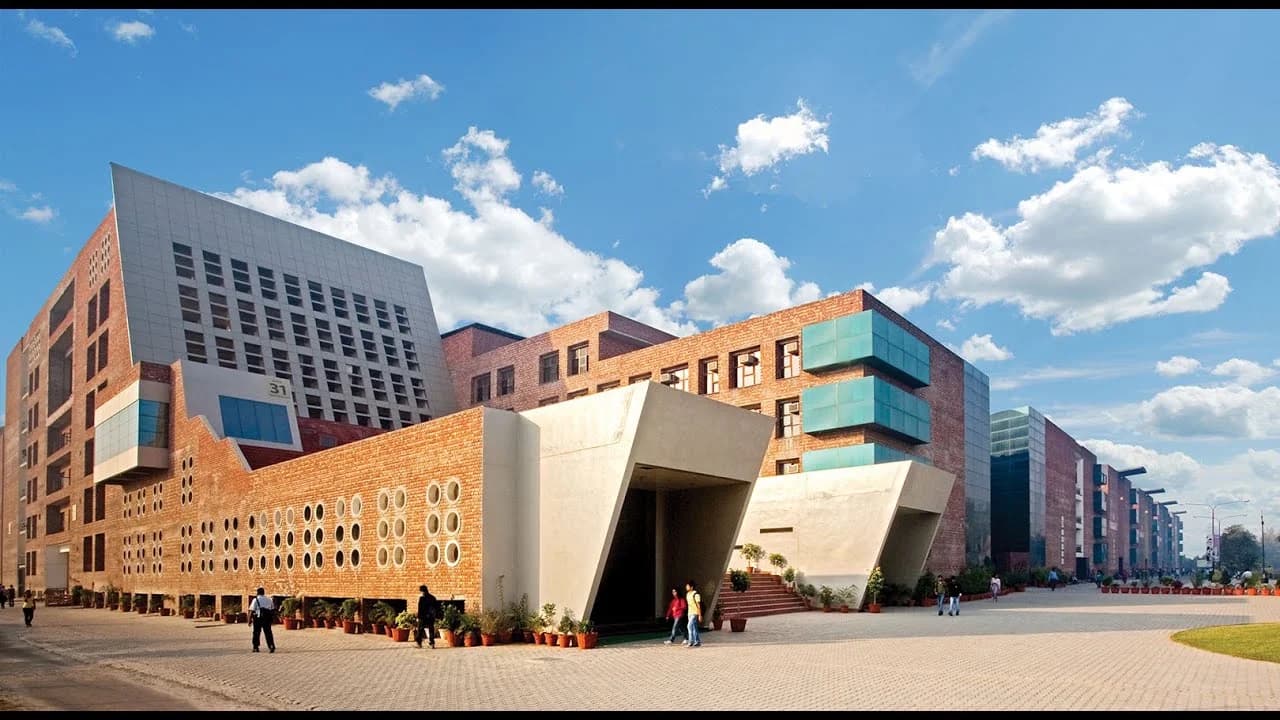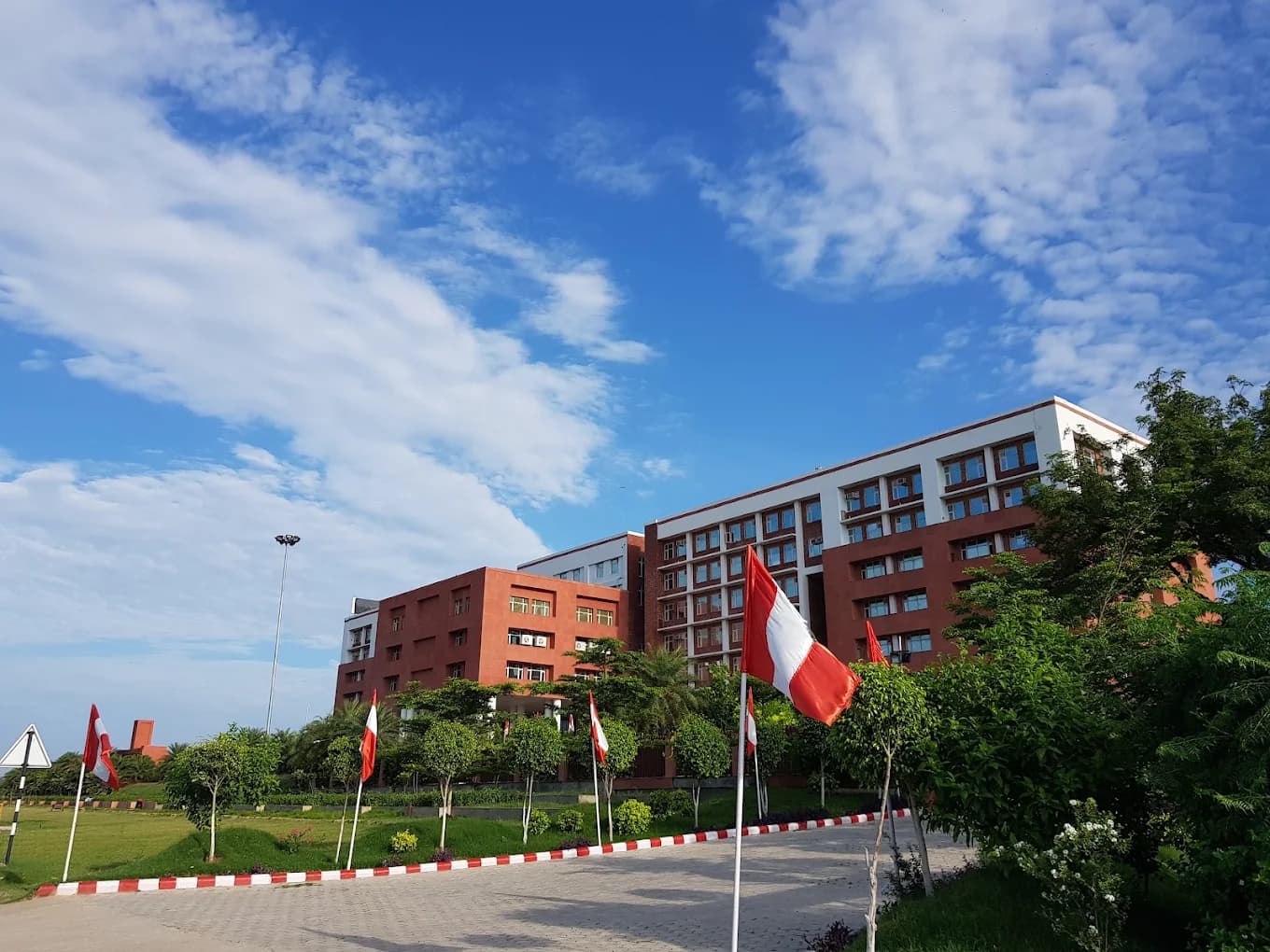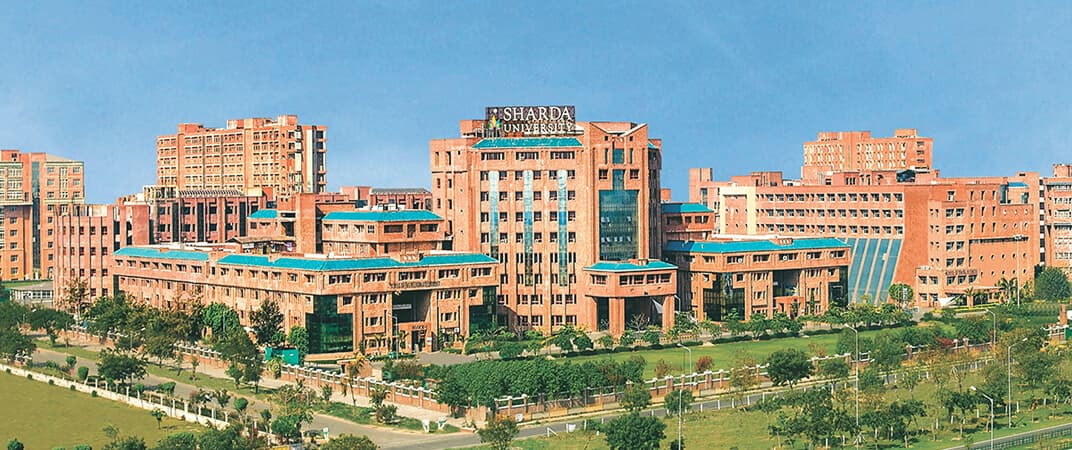
Sharda University's doctorate is governed by its Ph.D. Ordinance, administered through the PhD Cell, and sits inside the UGC 2022 framework set out in our Manipal guide.
A note on sourcing. Sharda publishes its ordinance as a PDF whose text could not be extracted, and its programme pages describe the doctorate in general terms rather than in figures. So this guide covers what could be verified and names what could not, rather than importing numbers from other Indian universities. Where you see a gap flagged below, read the ordinance itself or ask the PhD Cell. A figure borrowed from Amity or Manipal would be worse than no figure.
Duration, and a phrase worth noticing
Minimum three years including course work. Maximum six years.
The words including course work matter for comparison. Several Indian universities express their minimum differently:
| University | How the minimum is expressed |
|---|---|
| Sharda | 3 years including coursework |
| Symbiosis | 2 years from confirmed registration, plus 3 years since provisional admission |
| LPU | 3 years from registration |
| UGC national minimum | 2 years excluding coursework |
So a "three year minimum" is not the same thing everywhere. At Sharda the coursework semester is inside the three years rather than sitting before the clock starts.
The weekend coursework semester
| Element | Detail |
|---|---|
| Duration | Six months, mandatory pre-PhD semester |
| Credits | 12 to 16 |
| Delivery | Physical mode, on weekends: Saturdays and Sundays |
This is the single most practically important fact for a working professional considering Sharda. The coursework is not online and it is not evening classes. It is in-person, at the weekend, for a semester.
Two consequences. It is workable alongside full-time employment, which is the point of the design. And it costs you your weekends for six months, plus travel to Greater Noida, which is a real commitment to plan for at home as well as at work.
Admission with a four year bachelor's
Under the UGC 2022 rules a four-year bachelor's with research is a recognised entry route. Sharda attaches a specific condition to it:
A minimum of 75% marks in aggregate, together with at least one SCI, SCOPUS, WoS or PubMed research paper published or accepted.
Read carefully what that is. It is an admission requirement for that entry route, not a general rule about what you must publish before submitting your thesis. Those are different questions, and conflating them is a common source of confusion.
If you are entering from a master's, this condition does not apply to you.
The route through the programme
The Research Advisory Committee (RAC) is the body that governs your progression:
- Complete the pre-PhD coursework semester
- Prepare and defend your synopsis, the detailed research proposal, before the RAC
- Appear before the RAC once every six months to present progress
- Clear the pre-submission seminar, which the RAC evaluates
- Thesis submission and examination
The pattern will be familiar from other Indian institutions: a synopsis defence early, six-monthly review throughout, and an internal pre-submission gate before formal examination.
Research environment
Sharda publishes two of its own research journals, the Journal of Scientific and Technical Research (JSTR) and the International Journal of Management Issues and Research (IJMIR).
A word of caution that applies generally rather than to Sharda specifically: publishing in your own university's journal is straightforward, but if your programme requires indexed publications, check the indexing status of any journal before relying on it to meet a requirement. Examiners and future employers also read a publication list for where the work appeared, not only how much of it there is.
The university describes the programme as leading to publications, patents, prototypes and societal contributions, with industry-academia partnerships.
What to confirm with the PhD Cell
These could not be verified from the accessible sources, and each is consequential:
- Publication requirements for thesis submission: how many papers, which indexes, whether first authorship is required, and whether acceptance counts. This is the figure that most often determines when an Indian PhD finishes, and it varies enormously between institutions
- Any similarity or plagiarism threshold for the thesis
- Thesis formatting: margins, font, spacing, binding, number of copies
- Word or page limits, if any
- Citation style
- Comprehensive examination requirements and pass grade, if one applies
- Attendance requirement in coursework
- Examiner arrangements: how many, how appointed, and what happens on an unsatisfactory report
- Any policy on generative AI use
Ask in writing, and keep the reply. Where an ordinance is hard to read, a written answer from the PhD Cell is what you will want to point to if a requirement is disputed later.
Pre-submission checklist
- Pre-PhD coursework completed, with weekends planned for
- Synopsis defended before the RAC
- Six-monthly RAC presentations made throughout
- Pre-submission seminar cleared
- Publication requirement confirmed with the PhD Cell and met rather than assumed
- Thesis format requirements obtained from the ordinance or the PhD Cell
- Similarity threshold confirmed
- Inside the six year maximum, having started the clock at admission
- Ordinance checked for amendments since 2021
Where to get help
The PhD Cell owns the ordinance, admissions and the programme process. Your Research Advisory Committee owns progression, the synopsis defence and the pre-submission seminar.
If the writing is the bottleneck, our thesis writing support works chapter by chapter, our PhD thesis help covers doctoral work, and our research paper support is relevant if a publication requirement stands between you and submission.